How Seed Drills Function in Modern Farming
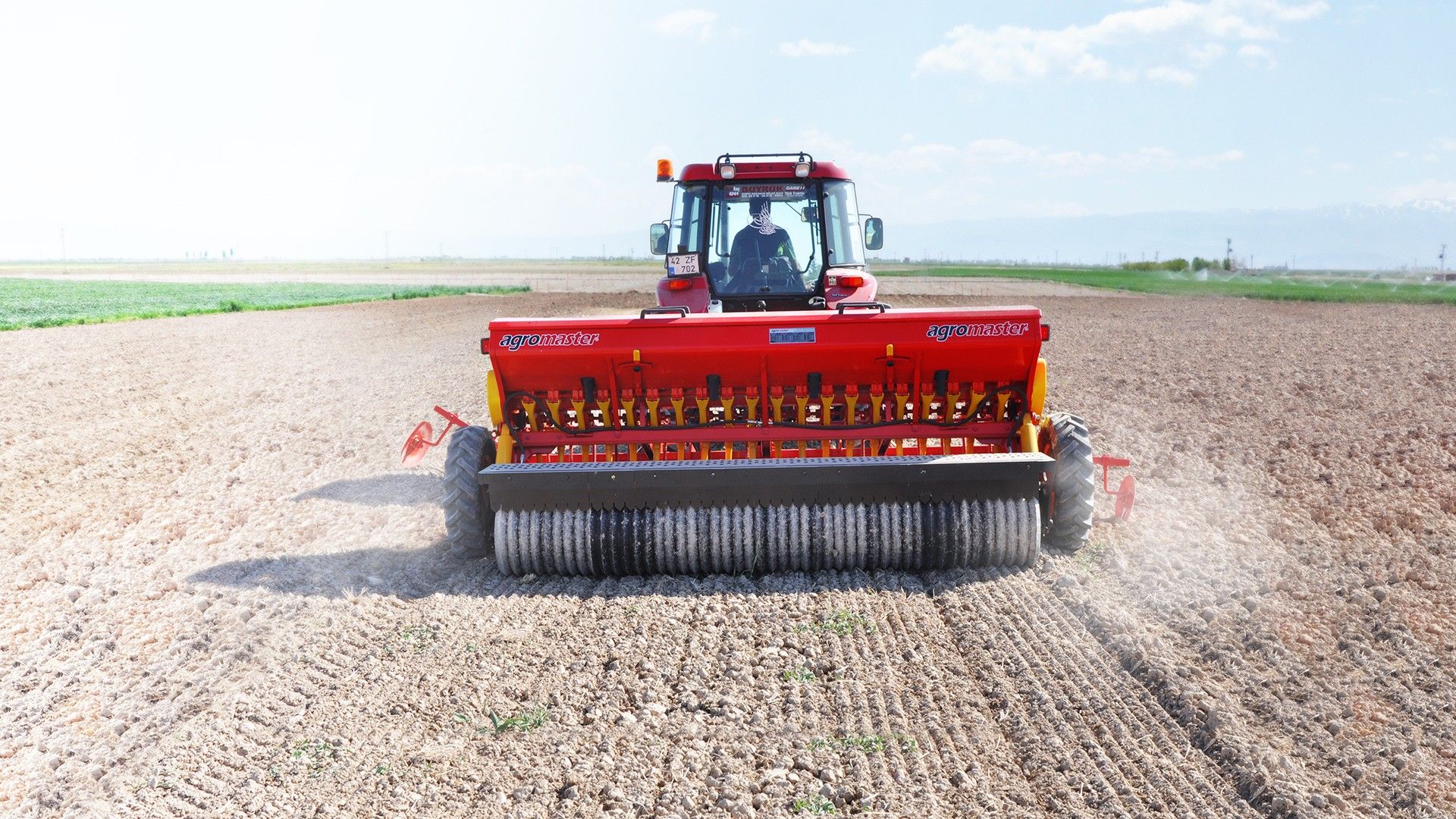
The operation of a seed drill is based on controlled seed placement. When the machine moves across a field, the furrow openers cut small channels in the soil. The metering system releases seeds at regular intervals, and the seeds travel through tubes into the furrows.
After placement, soil covering mechanisms close the furrow and gently press the soil over the seeds. This process protects the seeds and ensures proper contact with the soil, which is necessary for germination.
The effectiveness of crop seeding techniques often depends on precise seed placement. Modern drills allow adjustments for:
-
Seeding depth
-
Row spacing
-
Seed distribution rate
-
Soil pressure and compaction control
These adjustments make the equipment suitable for planting a wide variety of crops such as wheat, barley, pulses, maize, and oilseeds.
Feature Comparison
| Feature | Traditional Broadcasting | Seed Drill Method |
|---|
| Seed placement | Random distribution | Controlled row placement |
| Germination consistency | Uneven | More uniform |
| Seed usage | Higher wastage | Efficient usage |
| Field management | Difficult | Easier row management |
| Crop productivity | Lower consistency | Improved crop yield potential |
Because of these advantages, seed drills have become a key component of modern farming technology.
Why Seed Drills Matter in Agriculture Today
Agriculture today faces multiple challenges including increasing food demand, soil degradation, and the need for efficient resource use. Technologies such as seed drills help address these challenges by improving planting accuracy and field productivity.
One major benefit is improved plant spacing. When seeds are placed at equal distances, crops compete less for nutrients and sunlight. This supports stronger root development and more stable crop growth.
Seed drills also support crop yield optimization by ensuring that seeds are not buried too deeply or left exposed on the surface. Both situations can affect germination rates.
Farmers benefit from several practical advantages:
-
Better seed utilization
-
Reduced manual labor
-
Improved weed management due to organized rows
-
Efficient irrigation planning
-
Easier monitoring of crop growth
These machines also contribute to sustainable farming practices. Precise planting reduces seed waste and encourages better soil structure management.
Agricultural Benefits
| Agricultural Benefit | Explanation |
|---|
| Improved germination | Consistent seed depth supports uniform sprouting |
| Reduced seed loss | Controlled placement prevents wastage |
| Better crop monitoring | Organized rows make plant inspection easier |
| Soil conservation | Reduced disturbance compared with random sowing |
| Efficient nutrient use | Plants receive balanced access to resources |
These factors explain why seed drills are widely considered a cornerstone of mechanized agriculture.
Emerging Trends and Developments in Seed Drill Technology
Agricultural machinery continues to evolve as farms adopt digital tools and automation. Recent developments in precision agriculture equipment have focused on improving accuracy, monitoring, and adaptability.
One important advancement is GPS-guided planting systems. These systems help farmers maintain straight planting rows and avoid overlaps during sowing operations.
Another innovation is variable rate seeding. This technology allows farmers to adjust seed density across different sections of a field based on soil quality or moisture levels.
Smart sensors are also being integrated into modern agricultural productivity tools. These sensors can monitor factors such as soil resistance, planting depth, and seed flow consistency.
Some new developments include:
-
Automated seed metering systems
-
Real-time planting data monitoring
-
Integration with digital farm management platforms
-
Reduced soil disturbance mechanisms
Seed Drill Adoption Trend (Illustrative)
-
Traditional Manual Sowing █████████████████
-
Basic Mechanical Seed Drills ███████████████████████
-
Precision Digital Seed Drills █████████████████████████████
This trend reflects the increasing role of data-driven agriculture in improving farm productivity.
Regulations and Agricultural Programs Influencing Seed Drill Use
Agricultural machinery usage is often influenced by national agricultural policies, farm modernization programs, and sustainability initiatives.
Many agricultural policies focus on improving productivity while protecting soil health. Seed drills support these objectives by enabling efficient seed placement and reducing unnecessary soil disturbance.
Government agricultural programs frequently encourage the adoption of mechanized farming tools as part of rural development strategies. These programs may promote:
-
farm mechanization awareness
-
training on modern agricultural equipment
-
soil conservation initiatives
-
climate-resilient farming practices
Environmental guidelines also influence machinery design. Manufacturers often develop equipment that reduces soil compaction and improves fuel efficiency.
In many regions, agricultural institutions provide educational resources to help farmers understand how soil seed placement methods affect crop performance and long-term soil health.
These initiatives aim to support sustainable agricultural systems and stable food production.
Tools and Resources That Support Efficient Seeding
Farmers and agricultural researchers often rely on digital tools and practical resources to plan planting operations. These tools help analyze soil conditions, determine seed spacing, and monitor planting efficiency.
Some useful resources related to crop seeding techniques include:
Agricultural Planning Tools
-
Seed rate calculation tools
-
Soil analysis guides
-
Field mapping software
-
Crop rotation planning templates
Mobile Applications for Farming
-
Precision agriculture monitoring apps
-
Weather forecasting tools for farmers
-
Crop growth tracking platforms
Educational Resources
-
Agricultural extension publications
-
University farming research guides
-
Soil management manuals
-
Farm data recording templates
Using these resources helps farmers understand the relationship between soil conditions, planting depth, and crop growth patterns.
Accurate planning combined with agricultural planting machinery improves the effectiveness of planting operations.
Frequently Asked Questions About Seed Drills
What is the main purpose of a seed drill?
The primary purpose of a seed drill is to place seeds in the soil at consistent depth and spacing. This organized planting method improves germination rates and helps crops grow evenly across the field.
How is a seed drill different from manual seed broadcasting?
Manual broadcasting scatters seeds randomly on the soil surface. A seed drill places seeds in structured rows and covers them with soil, which improves seed protection and plant growth consistency.
What crops can be planted using seed drills?
Seed drills are commonly used for crops such as wheat, barley, pulses, maize, oilseeds, and other grains. Many models allow adjustments to accommodate different seed sizes and spacing requirements.
Why is seed spacing important in farming?
Proper spacing ensures that plants receive sufficient sunlight, nutrients, and water. Crowded plants compete with each other, which can reduce overall crop health and productivity.
How does seed depth affect germination?
Seeds planted too deep may struggle to reach the soil surface, while seeds placed too shallow may dry out or become exposed to pests. Seed drills help maintain consistent planting depth for optimal germination conditions.
Conclusion
Seed drills represent an important advancement in agricultural technology. By placing seeds at controlled depths and spacing, these machines improve planting accuracy and help farmers manage crops more effectively.
The transition from manual sowing methods to mechanized farming tools has significantly improved planting efficiency and crop management practices. Modern innovations in precision agriculture equipment continue to enhance the capabilities of seed drills through digital monitoring and automation.
As agriculture adapts to changing environmental conditions and growing food demand, technologies that improve planting precision and soil management will remain essential.
Understanding how seed drills function provides valuable insight into the role of modern farming technology in supporting productive and sustainable agricultural systems.