Smart Ceiling Fan Overview: Explore Features, Technology, and Helpful Insights
Smart ceiling fans represent the integration of traditional air circulation systems with connected home technology. These fans are designed to provide airflow control while incorporating digital features such as wireless connectivity, automation settings, and intelligent sensors. Instead of operating solely through manual switches or pull chains, smart fans interact with mobile applications, voice assistants, and home automation platforms.
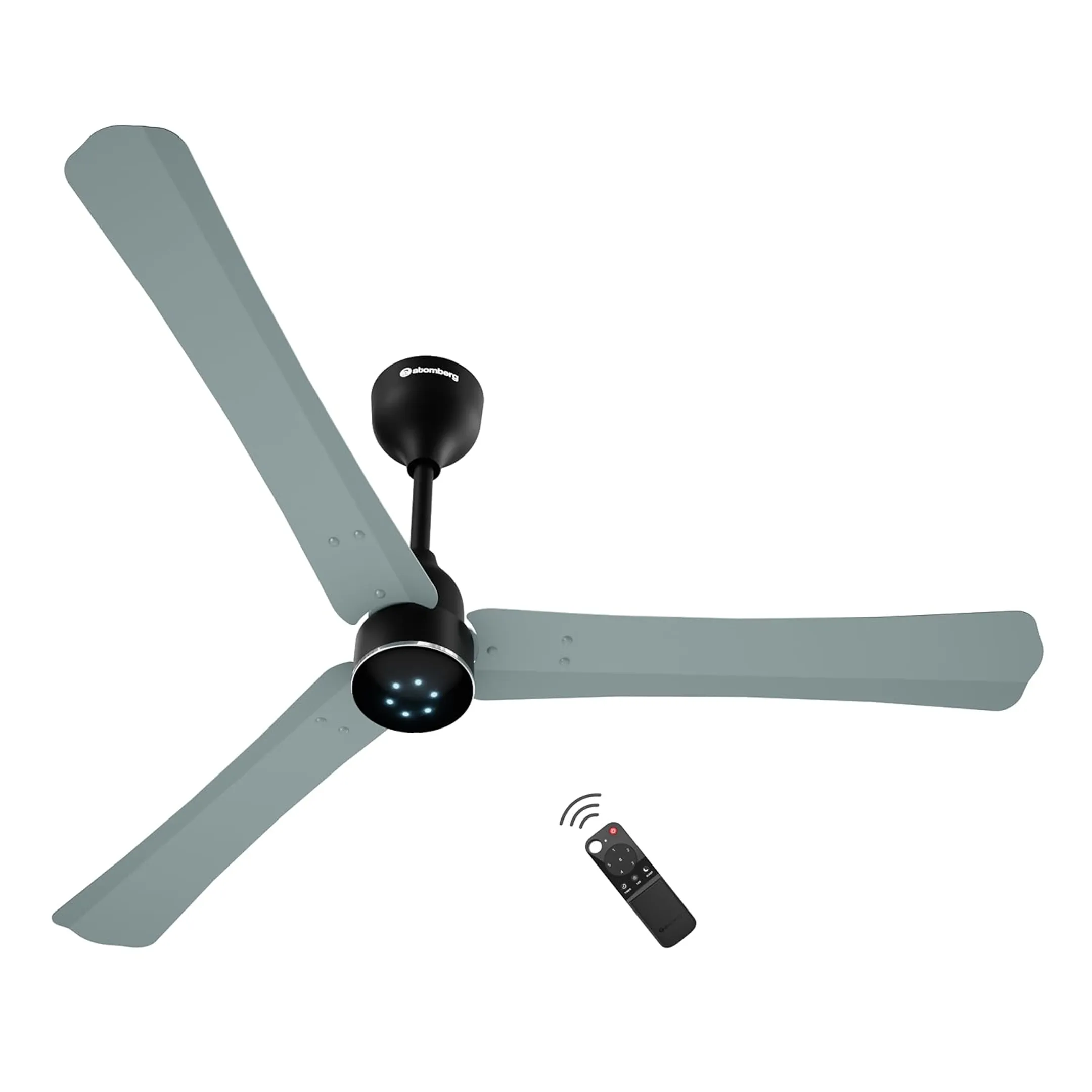
The development of smart ceiling fan technology reflects a broader shift toward energy-efficient appliances and connected household devices. In many homes, ceiling fans already play a role in maintaining indoor comfort by circulating air. Smart features expand this role by enabling remote operation, automated speed adjustments, and environmental monitoring.
A typical smart ceiling fan system combines mechanical components with electronic modules. These components may include Wi-Fi chips, microcontrollers, temperature sensors, and software integration. Through these technologies, users can manage airflow patterns and fan settings using digital controls.
Some common features associated with modern smart ceiling fans include:
-
Mobile application control
-
Voice command compatibility
-
Programmable speed settings
-
Environmental sensing technology
-
Smart home ecosystem integration
These features allow the fan to operate as part of a broader home automation network rather than as an isolated appliance.
Another aspect of smart ceiling fans is their focus on energy efficiency technology. Many models incorporate advanced motor systems such as brushless DC motors, which use less electricity than traditional induction motors. When combined with scheduling features and smart sensors, these fans can adjust their operation based on environmental conditions.
Overall, the concept of a smart ceiling fan reflects the convergence of smart home automation systems, energy-efficient appliance technology, and connected device ecosystems.
Importance: Why Smart Ceiling Fans Matter Today
Indoor climate control has become an important consideration for households, offices, and commercial environments. Smart ceiling fans help address several practical needs related to comfort, energy use, and convenience.
One reason this technology matters today is the increased adoption of smart home automation platforms. Many households now use connected lighting, thermostats, and security devices. Smart ceiling fans integrate with these systems to support coordinated climate management.
For example, a smart fan can operate alongside a smart thermostat to maintain airflow and temperature balance. When indoor temperatures change, automation rules can trigger adjustments in fan speed or direction.
Another important factor is energy efficiency awareness. As electricity consumption becomes a focus for both households and policymakers, devices that help reduce energy usage attract attention. Smart ceiling fans contribute to efficiency by enabling precise control over airflow.
Some benefits related to efficiency and comfort include:
-
Adaptive speed control based on room conditions
-
Scheduled operation during specific hours
-
Remote adjustments through connected apps
-
Reduced reliance on intensive cooling systems
In addition, smart fans can improve indoor air movement, which helps distribute conditioned air more evenly throughout a space. This circulation can support indoor comfort without requiring constant high-power cooling equipment.
The following table highlights the differences between traditional ceiling fans and smart ceiling fans.
| Feature | Traditional Ceiling Fan | Smart Ceiling Fan |
|---|---|---|
| Control Method | Wall switch or pull chain | Mobile app, voice control |
| Speed Adjustment | Manual | Automated and programmable |
| Connectivity | None | Wi-Fi or Bluetooth integration |
| Energy Optimization | Limited | Adaptive control and scheduling |
| Smart Home Integration | Not available | Compatible with automation systems |
Because of these differences, smart ceiling fans increasingly appear in discussions about energy-efficient home technology, connected appliance systems, and indoor climate optimization.
Recent Updates: Trends and Developments in Smart Fan Technology
Over the past year, several developments have influenced the design and adoption of smart ceiling fans. These changes involve improvements in connectivity, sensor capabilities, and compatibility with smart home ecosystems.
One trend involves expanded integration with voice-controlled smart assistants. Many newer smart fans support multiple voice platforms, allowing users to control airflow using spoken commands. This feature is particularly useful in hands-free environments.
Another trend involves the use of environmental sensing technology. Some fans now include sensors capable of detecting:
-
Room temperature
-
Humidity levels
-
Motion or occupancy
When these sensors detect changes in room conditions, the fan can automatically adjust its operation. For instance, the fan may reduce speed when the room is unoccupied or increase airflow when temperature levels rise.
Manufacturers have also focused on improving motor efficiency and noise reduction. Brushless DC motor systems have become more common because they provide smoother operation and reduced energy consumption compared to traditional motors.
Design innovation is another area of change. Smart ceiling fans now appear in a wider variety of blade designs, finishes, and aerodynamic configurations. These designs aim to balance airflow performance with modern interior aesthetics.
The chart below illustrates general improvements in smart ceiling fan technology across several performance factors.
| Technology Area | Earlier Systems | Newer Systems |
|---|---|---|
| Motor Efficiency | Standard induction motors | Brushless DC motors |
| Connectivity | Basic remote control | Wi-Fi and app integration |
| Automation | Limited timers | Sensor-based automation |
| Noise Control | Moderate | Reduced vibration and noise |
| Smart Home Compatibility | Minimal | Multi-platform integration |
Another noticeable trend is the inclusion of firmware updates through connected applications. These updates allow manufacturers to improve functionality or add compatibility features without changing the hardware.
Together, these developments show how smart ceiling fans continue evolving within the broader smart appliance and home automation technology ecosystem.
Laws or Policies: Regulatory Influence on Smart Ceiling Fan Technology
Household appliances, including ceiling fans, are often influenced by energy efficiency regulations and electrical safety standards. These policies help ensure that appliances meet performance, safety, and environmental guidelines.
In many countries, energy efficiency programs encourage the development of appliances that consume less electricity while maintaining performance. Ceiling fans that incorporate advanced motor systems and smart control technologies often align with these goals.
Government policies may include:
-
Appliance energy efficiency standards
-
Electrical safety certification requirements
-
Consumer product labeling programs
-
Energy conservation initiatives
Energy labeling programs often provide information about the efficiency of electrical appliances. These labels help consumers understand how different devices compare in terms of power consumption.
Smart ceiling fans with brushless DC motors often meet stricter efficiency standards because they require less electricity during operation. Automation features can also support energy conservation by preventing unnecessary usage.
Another policy area involves wireless communication standards. Because smart ceiling fans connect to home networks through Wi-Fi or Bluetooth, they must comply with communication regulations established by national telecommunications authorities.
These regulatory frameworks influence how manufacturers design connected appliances and ensure that smart devices operate safely within residential electrical systems.
Tools and Resources: Helpful Platforms for Smart Fan Technology
People exploring smart ceiling fan technology often use various digital tools and resources to understand how these devices function within connected environments. These resources provide educational information about airflow, energy efficiency, and automation systems.
Several types of tools are commonly referenced:
Smart Home Management Applications
Mobile applications allow users to manage connected devices from a single interface. These apps can control fan speed, scheduling, and automation rules.
Examples of functions often included in these platforms:
-
Device monitoring dashboards
-
Automation rule creation
-
Energy usage tracking
-
Integration with voice assistants
Energy Efficiency Calculators
Some online calculators help estimate electricity usage for household appliances. These tools can demonstrate how motor efficiency and scheduling features influence energy consumption.
Home Automation Platforms
Connected ecosystems enable different devices to interact with one another. Through these platforms, ceiling fans can coordinate with lighting systems, thermostats, and sensors.
Common features include:
-
Scene automation
-
Device grouping
-
Environmental monitoring
-
Voice control integration
Technical Documentation and Manuals
Manufacturers often provide detailed documentation explaining the operation of smart ceiling fans. These guides typically include:
-
Installation diagrams
-
Motor performance specifications
-
Wireless setup instructions
-
Safety guidelines
Interior Planning Templates
Design tools and room layout planners can help visualize airflow distribution within different spaces. These resources support planning for optimal fan placement and blade size selection.
Together, these tools help users better understand how connected appliance systems and energy-efficient airflow technology function in modern living environments.
FAQs: Common Questions About Smart Ceiling Fans
What is a smart ceiling fan?
A smart ceiling fan is an airflow device that integrates digital connectivity, automation features, and remote control capabilities. It can operate through mobile applications, voice commands, or smart home platforms.
How does a smart ceiling fan connect to other devices?
Most smart ceiling fans connect through Wi-Fi or Bluetooth technology. Once connected, they can interact with mobile apps or home automation systems to allow remote adjustments and automation rules.
What technology makes smart fans more energy efficient?
Many smart ceiling fans use brushless DC motors, which require less electricity than traditional motors. Automated scheduling and sensor-based control also help optimize energy usage.
Can smart ceiling fans operate automatically?
Yes. Some models include sensors that detect room temperature, humidity, or occupancy. Based on these conditions, the fan can automatically adjust its speed or operating schedule.
Do smart ceiling fans work with voice assistants?
Many smart fans support integration with voice-controlled home assistants. This allows users to adjust fan speed or turn the device on or off using spoken commands.
Conclusion
Smart ceiling fans illustrate how traditional household appliances continue to evolve through technological innovation. By combining airflow systems with wireless connectivity, automation features, and energy-efficient motor technology, these devices play a growing role in connected home environments.
Their ability to integrate with smart home platforms allows users to manage airflow alongside other environmental controls. At the same time, advanced motors and scheduling capabilities contribute to improved energy efficiency and indoor comfort.
Recent developments in sensor technology, automation features, and smart home compatibility show that ceiling fans are becoming part of a broader ecosystem of intelligent appliances. Regulatory standards related to energy efficiency and wireless communication also shape how these products are designed and implemented.
Understanding the features, technologies, and resources associated with smart ceiling fans helps provide a clearer view of how connected appliances influence modern living spaces and indoor climate management.

