Smart Shoe Rack with Sterilization & Deodorizing: Features, Functionality, and Information
A smart shoe rack with sterilization and deodorizing is a modern household storage system designed to organize footwear while also addressing hygiene concerns. Unlike traditional shoe racks that only store shoes, this system integrates electronic components to reduce odor, limit microbial growth, and maintain cleaner footwear environments.
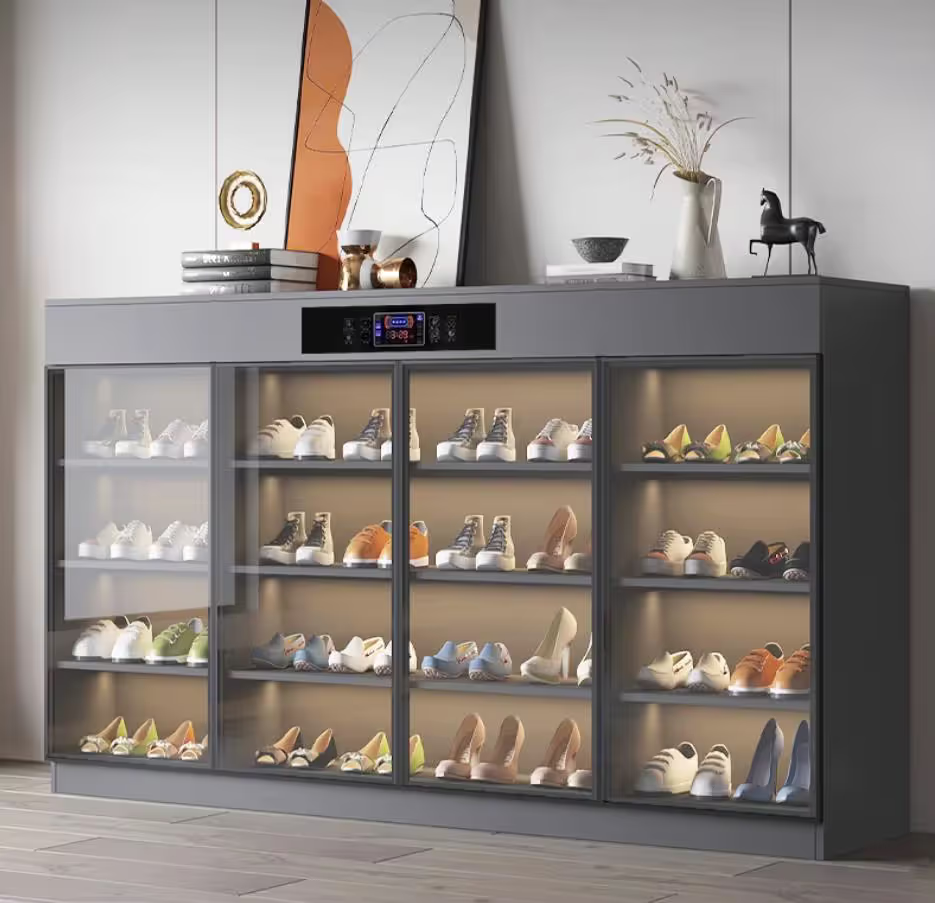
The concept exists because shoes regularly collect moisture, sweat, dust, and microorganisms during daily use. When stored without ventilation or hygiene control, this buildup can lead to unpleasant odors and long-term material damage. Smart shoe racks aim to manage these issues automatically through controlled airflow, sterilization modules, and deodorizing functions.
These systems are typically used in homes, apartments, shared living spaces, and indoor environments where shoe hygiene is considered part of overall cleanliness. The technology reflects a broader shift toward smart home devices focused on health, convenience, and indoor hygiene management.
Importance: Why This Topic Matters Today
Shoe hygiene has become more relevant due to increased awareness of indoor cleanliness and personal health. Footwear often acts as a carrier for external dust, moisture, and microorganisms that can spread into living spaces. A smart shoe rack addresses this concern by treating shoes at the storage stage.
This topic matters to:
-
Families managing shared living areas
-
Urban residents with limited ventilation
-
Individuals sensitive to odors or allergens
-
Households emphasizing indoor hygiene routines
Key problems it helps solve include:
-
Persistent shoe odor in closed spaces
-
Moisture retention inside footwear
-
Growth of bacteria and fungi in stored shoes
-
Disorganized shoe storage in compact homes
By combining storage with automated hygiene control, these systems reduce the need for manual cleaning routines while maintaining a cleaner indoor environment.
Features and Functionality Explained
Smart shoe racks rely on a combination of physical structure and electronic systems. Common features include:
Sterilization mechanisms
-
Ultraviolet or ozone-based modules
-
Low-temperature antibacterial systems
-
Enclosed chambers for controlled exposure
Deodorizing functions
-
Activated carbon filtration
-
Ion-based odor neutralization
-
Continuous air circulation
Smart controls
-
Touch panels or digital displays
-
Timer-based operation
-
Automatic shut-off features
Structural design
-
Enclosed compartments
-
Ventilated shelves
-
Moisture-resistant materials
These components work together to maintain airflow, reduce odor molecules, and limit microbial presence without damaging footwear materials.
Functional Process Overview (Table)
| Function Stage | Description |
|---|---|
| Shoe placement | Shoes are placed in enclosed or semi-enclosed compartments |
| Air circulation | Internal fans distribute air evenly |
| Sterilization | Active modules reduce microbial presence |
| Deodorizing | Odor-neutralizing elements absorb or break down odor particles |
| Completion | System powers down after a set cycle |
This process operates with minimal user input once configured.
Recent Developments and Trends
Recent developments in smart shoe rack technology focus on efficiency, safety, and integration with home systems. Manufacturers have refined sterilization methods to operate at lower energy levels while maintaining effectiveness. Noise reduction and improved airflow design have also been key areas of improvement.
Another notable trend is modular storage, allowing users to adjust compartments based on shoe size or usage patterns. Some designs now include moisture sensors that activate ventilation only when needed, improving energy efficiency.
There has also been increased attention to material safety, with more emphasis on enclosed systems that prevent exposure during operation. These changes reflect broader trends in smart home hygiene devices emphasizing controlled automation and user safety.
Regulatory and Policy Considerations
Smart shoe racks with sterilization features fall under household electrical appliance regulations in many countries. They are generally subject to:
-
Electrical safety standards
-
Material safety compliance
-
Indoor air quality guidelines
-
Consumer appliance labeling rules
In some regions, sterilization components such as ultraviolet systems must meet specific safety thresholds to prevent exposure risks. Government guidelines related to indoor hygiene and appliance energy efficiency may also influence design standards.
Consumers are typically advised to follow manufacturer instructions regarding placement, ventilation clearance, and operating cycles to ensure compliance with household safety norms.
Tools and Resources Related to Shoe Hygiene
Several tools and resources support effective footwear hygiene and storage practices:
Helpful tools and aids
-
Indoor humidity monitors
-
Moisture-absorbing inserts
-
Footwear care schedules
-
Household hygiene planners
Digital resources
-
Smart home control dashboards
-
Appliance usage timers
-
Indoor air quality tracking apps
Maintenance references
-
Footwear material care guides
-
Indoor hygiene best-practice charts
-
Storage optimization templates
These resources complement smart shoe racks by helping users maintain consistent hygiene routines.
Common Use Scenarios (Bullet Overview)
Typical situations where smart shoe racks are used include:
-
Apartment entryways with limited airflow
-
Shared family shoe storage areas
-
Homes in humid climates
-
Indoor environments requiring odor control
These scenarios highlight the practical relevance of combining storage and hygiene management.
Frequently Asked Questions
How does a smart shoe rack reduce odor?
It uses airflow and deodorizing elements to neutralize odor-causing particles rather than masking them.
Is sterilization safe for everyday footwear?
Most systems are designed to operate at controlled levels suitable for common shoe materials when used as directed.
Does it require constant operation?
No. Many systems work on timed or sensor-based cycles, operating only when needed.
Can it handle different shoe sizes and types?
Most designs include adjustable or modular compartments suitable for various footwear styles.
Does it replace regular shoe cleaning?
It supports hygiene maintenance but does not replace occasional manual cleaning when required.
Comparative Feature Snapshot (Table)
| Feature Type | Traditional Shoe Rack | Smart Shoe Rack |
|---|---|---|
| Odor control | None | Automated deodorizing |
| Moisture handling | Passive | Active airflow |
| Hygiene support | Manual | Automated cycles |
| Space organization | Basic | Structured compartments |
Conclusion
A smart shoe rack with sterilization and deodorizing represents an evolution in household storage focused on hygiene and organization. By addressing odor, moisture, and microbial buildup at the storage stage, it supports cleaner indoor environments and more efficient footwear management.
As awareness of indoor hygiene continues to grow, such systems highlight how everyday household items can integrate technology for practical, non-intrusive improvements. Their role remains centered on organization, cleanliness, and routine hygiene support rather than replacement of standard care practices.

