Snack Food Manufacturing: A Complete Guide to Industry Basics and Processes
Snack food manufacturing is the organized process of preparing, processing, seasoning, cooking, cooling, inspecting, and packaging foods designed for convenient consumption between regular meals.
Common snack categories include chips, extruded products, roasted nuts, popcorn, crackers, cereal-based snacks, baked products, and various savory or sweet items.
The development of modern snack food manufacturing is connected with changes in food processing, agriculture, packaging, transportation, and consumer habits. Traditional snacks were often prepared in homes or small local facilities, while industrial production introduced controlled processing methods that could handle larger quantities with consistent procedures.
Modern manufacturing combines food ingredients, processing equipment, quality-control systems, packaging technology, and food-safety practices. The exact production sequence depends on the type of snack, ingredients, texture, moisture level, cooking method, and intended packaging format.
How Snack Food Manufacturing Works
A typical production line begins with ingredient receiving and inspection. Raw materials may include potatoes, corn, wheat, rice, pulses, nuts, seeds, oils, seasonings, sweeteners, or other approved food ingredients.
The ingredients are then prepared according to the product formulation. Depending on the snack, preparation can include washing, sorting, grinding, mixing, forming, extrusion, slicing, roasting, frying, baking, or drying.
A general production sequence may include:
- Ingredient receiving and inspection
- Cleaning and preparation
- Mixing or formulation
- Forming, cutting, or extrusion
- Cooking, baking, frying, roasting, or drying
- Cooling
- Seasoning
- Quality inspection
- Packaging and labeling
- Storage and distribution
Different products require different processing conditions. Potato chips, for example, involve slicing and frying, while extruded snacks commonly involve mixing, cooking, shaping, and expansion through an extrusion system.
Major Snack Categories
Snack food manufacturing covers a wide range of products. Common categories include potato and vegetable snacks, extruded corn or cereal snacks, roasted nuts and seeds, baked crackers, popcorn, cereal bars, and other formulated foods.
Each category has distinct processing requirements. Moisture control is particularly important because it can influence texture, shelf stability, and packaging requirements.
Importance
Snack foods are part of everyday diets in many regions and are produced through supply chains involving agriculture, food processing, packaging, logistics, retail, and food regulation. Manufacturing practices therefore affect food safety, product consistency, resource use, and packaging waste.
The subject also matters because snack production involves multiple physical and chemical processes. Temperature, moisture, cooking time, oil management, ingredient quality, and packaging conditions can all influence the final product.
Food Safety and Quality
Food safety is a central part of snack food manufacturing. Raw materials can contain biological, chemical, or physical hazards that need to be identified and controlled through appropriate procedures.
Manufacturing facilities may use systems based on hazard analysis and preventive controls. Common control areas include:
- Raw material inspection
- Hygienic handling
- Temperature monitoring
- Allergen management
- Foreign-material control
- Equipment sanitation
- Environmental monitoring where applicable
- Packaging integrity
- Product traceability
Quality control is different from food safety but works alongside it. Quality checks may examine size, shape, color, moisture, texture, seasoning distribution, weight, and other product characteristics.
Production Equipment
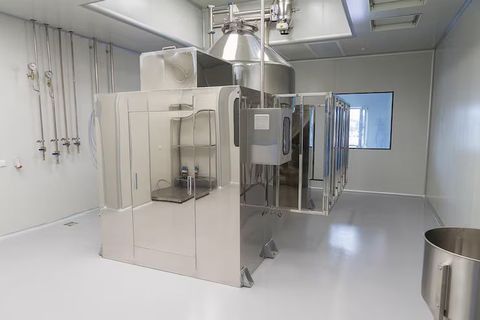
Equipment varies according to the snack category and production scale. Common machinery includes mixers, slicers, cutters, extruders, fryers, ovens, roasters, dryers, seasoning systems, conveyors, cooling systems, metal detectors, weighing equipment, and packaging machines.
| Equipment | Main function | Examples of applicable snacks |
|---|---|---|
| Mixer | Combines ingredients | Dough and formulated snacks |
| Extruder | Cooks and shapes mixtures | Corn and cereal snacks |
| Fryer | Uses heated oil for cooking | Potato and other fried snacks |
| Oven | Bakes products | Crackers and baked snacks |
| Roaster | Applies controlled dry heat | Nuts and seeds |
| Seasoning system | Distributes flavoring materials | Chips and savory snacks |
| Metal detector | Detects certain metallic contaminants | Packaged snack products |
| Packaging machine | Portions and seals products | Pouches and other packs |
Equipment selection depends on the recipe, production method, capacity requirements, hygiene design, energy use, and cleaning requirements.
Recent Updates
Snack food manufacturing has been influenced by automation, digital monitoring, ingredient development, packaging changes, and greater attention to resource efficiency. These developments are gradually changing how production lines are designed and monitored.
Automation and Digital Monitoring
Automated systems can control variables such as temperature, cooking time, conveyor speed, product weight, and packaging parameters. Sensors can collect production information and help operators identify deviations from established process settings.
Digital monitoring can also support traceability by connecting production records with specific batches, ingredients, processing stages, and packaging information. This can make documentation more structured across larger production facilities.
Ingredient and Nutrition Trends
Manufacturers are also examining formulations that contain different combinations of grains, pulses, nuts, seeds, vegetables, and other ingredients. Changes in consumer preferences have contributed to greater attention toward protein content, fiber, sodium levels, sugar levels, and ingredient transparency.
Nutritional characteristics depend on the complete formulation and processing method. A snack made with a particular ingredient does not automatically have a specific nutritional profile, so labeling generally needs to reflect the actual formulation.
Packaging Developments
Packaging plays an important role in protecting snacks from moisture, oxygen, light, contamination, and physical damage. Flexible pouches, rigid containers, paper-based structures, and multilayer packaging materials are used for different products.
Recent development has included increased attention toward recyclable structures, material reduction, packaging efficiency, and improved barrier properties. The appropriate packaging depends on the product's moisture sensitivity, fat content, shelf-life requirements, distribution conditions, and regulatory labeling requirements.
Resource Efficiency
Energy and water use are also areas of interest within modern food manufacturing. Efficient heating systems, controlled frying, improved insulation, heat recovery, optimized cleaning procedures, and equipment monitoring can influence resource consumption.
Waste management can include the handling of food residues, used cooking oil, packaging materials, rejected products, and wastewater. The applicable approach depends on the facility and local environmental requirements.
Laws or Policies
Snack food manufacturing is regulated through food-safety, labeling, packaging, environmental, workplace, and manufacturing requirements. Since regulations vary by country, the specific requirements depend on where the facility operates and where the packaged food is distributed.
Food Regulations in India
In India, food businesses are regulated primarily through the Food Safety and Standards Authority of India and the Food Safety and Standards Act and associated regulations. Requirements can cover food safety, permitted ingredients, hygiene, labeling, contaminants, additives, packaging, and other aspects of food production.
Food businesses generally need the appropriate regulatory registration or license based on their activities and applicable classification. Manufacturing facilities also need to follow relevant hygiene and sanitary requirements.
Labeling Requirements
Packaged snack foods generally require specific information on their labels. Depending on the product and applicable rules, this can include the food name, ingredient information, nutritional information, allergen declarations, net quantity, batch identification, dates, manufacturer or responsible entity information, and applicable regulatory details.
Claims relating to nutrition or health also need to comply with applicable requirements. Labels should therefore be based on the actual formulation and verified product information.
Food-Safety Management
Manufacturers may use hazard analysis and critical control point principles or other recognized food-safety management approaches. These systems focus on identifying hazards and establishing controls at relevant stages of production.
Environmental and workplace requirements can also apply to food manufacturing facilities. Areas such as wastewater, solid waste, emissions, machinery safety, worker hygiene, and occupational protection may fall under different regulatory frameworks.
Tools and Resources
Several tools and technical resources support snack food manufacturing, from recipe development through production and quality monitoring.
Recipe and Formulation Tools
Formulation spreadsheets and food-processing software can help record ingredient quantities, batch sizes, nutritional information, allergen information, and formulation changes. Accurate records are important when a recipe is produced at different batch scales.
Process Monitoring Equipment
Manufacturing facilities can use temperature sensors, moisture analyzers, weighing systems, pressure instruments, oil-quality monitoring equipment, and other measurement devices. These tools help document whether production parameters remain within established specifications.
Food-Safety Resources
HACCP documentation, sanitation procedures, allergen-control plans, traceability templates, inspection checklists, and corrective-action records can support structured food-safety management.
Useful resources can include:
- FSSAI regulations and guidance
- Codex Alimentarius food-safety materials
- Food-processing equipment manuals
- Ingredient specifications
- Packaging specifications
- Laboratory testing procedures
- Internal quality-control records
Production Planning
Production planning tools can organize ingredient requirements, batch schedules, equipment availability, packaging materials, quality checks, and inventory records. For larger facilities, manufacturing execution systems and enterprise software may connect production information across several departments.
FAQs
What is snack food manufacturing?
Snack food manufacturing is the industrial process of preparing, processing, cooking, seasoning, inspecting, and packaging foods intended for convenient consumption. The specific process depends on the snack category and formulation.
What equipment is used in snack food manufacturing?
Snack food manufacturing equipment can include mixers, extruders, slicers, fryers, ovens, roasters, dryers, seasoning systems, conveyors, inspection devices, and packaging machines. Equipment selection depends on the product and production method.
What are the main processes in snack food manufacturing?
Common processes include ingredient preparation, mixing, forming or extrusion, cooking, frying, baking, roasting, drying, cooling, seasoning, inspection, and packaging. Not every snack uses every stage.
What regulations apply to snack food manufacturing in India?
Snack food manufacturing in India is governed by food-safety and food-labeling requirements administered through the applicable FSSAI framework, along with environmental and workplace regulations. Specific requirements depend on the product and facility.
How is food safety managed in snack food manufacturing?
Food safety can involve raw-material checks, hygienic handling, allergen controls, temperature monitoring, sanitation, foreign-material detection, traceability, packaging controls, and documented preventive procedures.
Conclusion
Snack food manufacturing combines food formulation, processing equipment, quality control, packaging, and food-safety management. Production methods vary substantially between fried, baked, roasted, extruded, and dried snack categories. Recent developments include increased automation, digital monitoring, formulation changes, packaging innovation, and attention to resource use. In India, manufacturing activities are shaped by food-safety, labeling, environmental, and workplace requirements.