Sofa with Wireless Charging: Explore Design, Technology Basics, and Practical Insights
Modern interior design increasingly blends comfort with digital convenience. One example of this evolution is the sofa with wireless charging, a type of smart furniture that integrates charging technology directly into seating structures. Instead of relying on traditional power adapters and cables, these sofas allow compatible devices to charge when placed on a designated charging area built into the furniture.
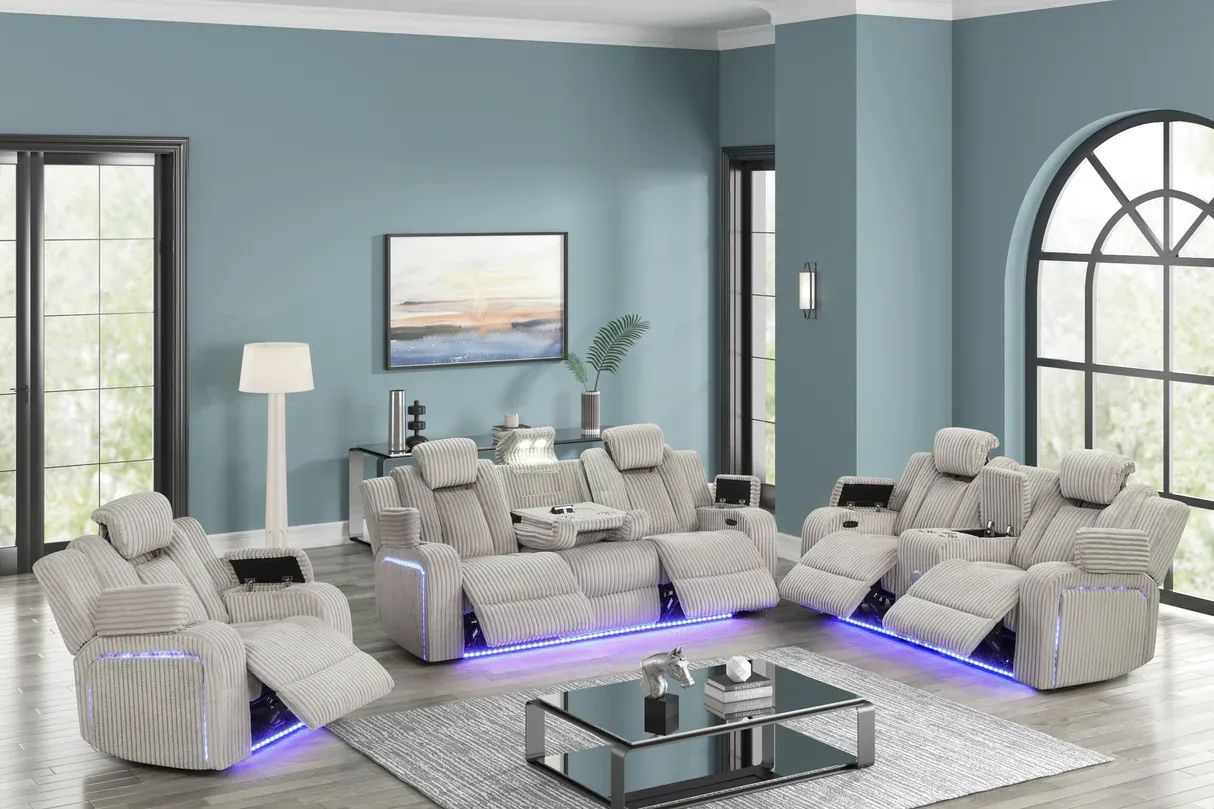
Wireless charging in furniture is typically based on Qi wireless charging technology, a widely adopted standard used in many smartphones and consumer electronics. The sofa contains a charging coil embedded beneath the upholstery surface, while the device being charged contains a receiving coil. When the device is placed on the charging zone, electromagnetic induction transfers energy between the coils.
This concept emerged from the growing need to reduce cable clutter in homes and workplaces. As people increasingly depend on smartphones, wireless earbuds, tablets, and other connected devices, the integration of charging surfaces into everyday furniture supports a more streamlined environment.
Smart furniture like wireless charging sofas also reflects broader trends in connected home technology, where objects such as tables, lamps, desks, and seating units interact with electronic devices to enhance convenience and efficiency.
Why Wireless Charging Sofas Matter in Modern Living Spaces
Furniture design has shifted from purely aesthetic or structural considerations toward functionality that supports digital lifestyles. A sofa with wireless charging contributes to this transformation in several ways.
First, it helps reduce dependency on multiple charging cables and power strips. In many living rooms, cables run across floors or between furniture pieces. Integrated charging zones create a more organized environment by allowing devices to charge directly from the seating area.
Second, the feature supports the increasing number of battery-powered devices used daily. Smartphones, smartwatches, wireless earbuds, and portable electronics often require frequent charging. Having charging functionality built into seating areas aligns with how people interact with devices while relaxing, working remotely, or watching entertainment.
Third, wireless charging sofas contribute to ergonomic convenience. When charging is integrated into armrests or side panels, users can simply place their device on the surface rather than searching for outlets or adapters.
Another important aspect is compatibility with the broader smart home ecosystem. Many modern homes include connected speakers, smart lighting systems, and automated climate controls. Furniture that incorporates charging technology fits naturally into environments designed for connectivity and digital integration.
The technology also benefits shared spaces such as:
-
Living rooms
-
Office lounges
-
Co-working environments
-
Hotel lobbies
-
Waiting areas
In these spaces, integrated charging points support multiple users while maintaining a clean, organized appearance.
Technology Components and Charging Mechanisms
Wireless charging sofas combine furniture engineering with electrical design. The technology relies on several components that work together to safely transfer energy.
| Component | Function | Description |
|---|---|---|
| Charging Coil | Energy Transmission | Embedded beneath upholstery to generate an electromagnetic field |
| Receiver Coil | Energy Reception | Located inside compatible devices such as smartphones |
| Power Control Module | Voltage Regulation | Ensures consistent power transfer and prevents overheating |
| Surface Indicator | Charging Guidance | Marks the correct placement zone for devices |
When a device is positioned correctly on the charging surface, the sofa’s transmitter coil generates an electromagnetic field. The receiver coil inside the device converts that field into electrical energy, which charges the battery.
Some advanced models include additional features such as:
-
Multi-device charging zones
-
USB-C power ports
-
Integrated power management circuits
-
Overheat protection sensors
-
Smart power distribution modules
These features help maintain safe charging conditions while supporting a range of device types.
Recent Developments in Smart Furniture Technology
The past year has seen notable progress in the design and adoption of technology-enabled furniture. Several developments have influenced how wireless charging sofas are designed and used.
Manufacturers have increasingly focused on multi-functional furniture systems. Rather than including a single charging point, newer designs incorporate multiple charging surfaces integrated into armrests or side tables attached to the sofa structure.
Another development involves improvements in charging efficiency and alignment detection. Enhanced coil positioning technology allows charging systems to detect the optimal device placement automatically, improving energy transfer stability.
There has also been growth in fast wireless charging standards. Newer electronics support higher wattage wireless charging capabilities, allowing compatible furniture charging modules to deliver faster energy transfer while maintaining safe temperature levels.
Design trends also emphasize hidden technology integration. Instead of visible charging pads, many sofas incorporate charging coils beneath fabric or leather surfaces. This approach maintains a clean aesthetic while preserving the technology's functionality.
Additionally, designers have explored modular smart furniture systems, where sofas, coffee tables, and side units share a connected power system. These setups allow multiple pieces of furniture to act as charging hubs within a living space.
These developments highlight a broader shift toward furniture that supports digital lifestyles without compromising interior design.
Regulatory and Safety Considerations for Wireless Charging Furniture
Although sofas with wireless charging appear simple on the surface, they must comply with electrical safety and electromagnetic standards established by regulatory authorities.
Many countries require electronic furniture components to follow electromagnetic compatibility (EMC) and electrical safety regulations. These regulations ensure that wireless charging systems operate safely and do not interfere with nearby electronic devices.
Common regulatory considerations include:
-
Electrical insulation standards
-
Temperature control requirements
-
Power output limits for wireless chargers
-
Compliance with electromagnetic field exposure guidelines
-
Product safety certifications for consumer electronics
Manufacturers typically design charging modules according to internationally recognized standards for wireless power transfer systems. These standards define how charging devices communicate with receiving electronics and regulate power flow to prevent overheating or electrical faults.
Consumer safety guidelines also recommend that wireless charging components include built-in protection features such as:
-
Foreign object detection
-
Automatic shut-off systems
-
Voltage stabilization circuits
Such mechanisms ensure that the charging process remains safe even if incompatible objects are placed on the charging surface.
Tools, Platforms, and Resources Related to Smart Furniture Technology
Understanding wireless charging sofas often involves exploring tools and resources connected to smart furniture design, power management, and connected home systems.
Some useful resources include:
Design and Planning Tools
-
Smart home layout planners
-
Furniture placement visualization software
-
Interior design simulation platforms
These tools help designers integrate charging-enabled furniture into living spaces while maintaining functionality and visual balance.
Wireless Charging Technology Resources
-
Wireless power engineering documentation
-
Device compatibility databases for Qi charging systems
-
Electronics design simulation tools
These resources help engineers evaluate charging performance and device compatibility.
Smart Home Ecosystem Platforms
-
Home automation management systems
-
Connected device monitoring dashboards
-
Energy usage tracking applications
Such platforms provide insights into how charging devices interact with broader smart home infrastructure.
Power Management Calculators
These tools estimate electrical load distribution when multiple charging modules are connected within a home or workspace.
Charging Efficiency Comparison
| Charging Method | Cable Requirement | Device Placement | Convenience Level |
|---|---|---|---|
| Traditional Plug Charging | Required | Anywhere near outlet | Moderate |
| Wireless Charging Pad | Not required | Direct pad placement | High |
| Sofa Integrated Charging | Not required | Built-in charging zone | Very High |
This comparison illustrates how integrated charging solutions reduce dependency on external accessories while improving convenience within seating areas.
Frequently Asked Questions
How does a sofa with wireless charging actually work?
Wireless charging sofas contain embedded charging coils connected to a power module inside the furniture. When a compatible device is placed on the charging area, electromagnetic induction transfers energy from the sofa’s coil to the device’s receiver coil, allowing the battery to charge without cables.
Are all smartphones compatible with wireless charging sofas?
Only devices that support wireless charging standards can use this feature directly. Many modern smartphones include built-in wireless charging capabilities, while some other devices may require external receivers.
Does furniture wireless charging affect battery performance?
Wireless charging technology is designed to regulate power delivery and temperature. When implemented correctly with proper control systems, it operates within safe charging limits established for consumer electronics.
Where are charging areas usually located on the sofa?
Charging zones are commonly placed in armrests, side panels, or integrated console sections. These locations allow convenient device placement while seated.
Can multiple devices charge at the same time?
Some smart furniture designs include multiple charging coils or modular charging sections that support simultaneous charging for more than one device.
Conclusion
The sofa with wireless charging represents a notable step in the evolution of smart furniture technology. By integrating wireless power transfer systems directly into seating designs, this type of furniture supports the growing demand for convenient device charging within modern living spaces.
The technology combines interior design with electronics engineering, creating furniture that aligns with digital lifestyles while maintaining comfort and visual simplicity. As smart homes continue to expand and portable devices become central to daily activities, furniture with built-in charging capabilities illustrates how everyday objects can adapt to technological needs.
Advances in charging efficiency, safety systems, and modular furniture design suggest that integrated charging solutions will remain an important feature in the development of connected environments. Understanding the design principles, technology mechanisms, and safety standards behind these systems helps highlight the broader transformation occurring in modern furniture innovation.

