Solar Power Inverters Overview: Important Information, Basics, Tips and Expert Advice
Solar power inverters are essential components in photovoltaic energy systems. While solar panels generate direct current (DC) electricity from sunlight, most homes, appliances, and power grids operate on alternating current (AC). A solar inverter converts DC electricity into usable AC electricity, allowing the energy to power buildings or feed into the electrical grid.
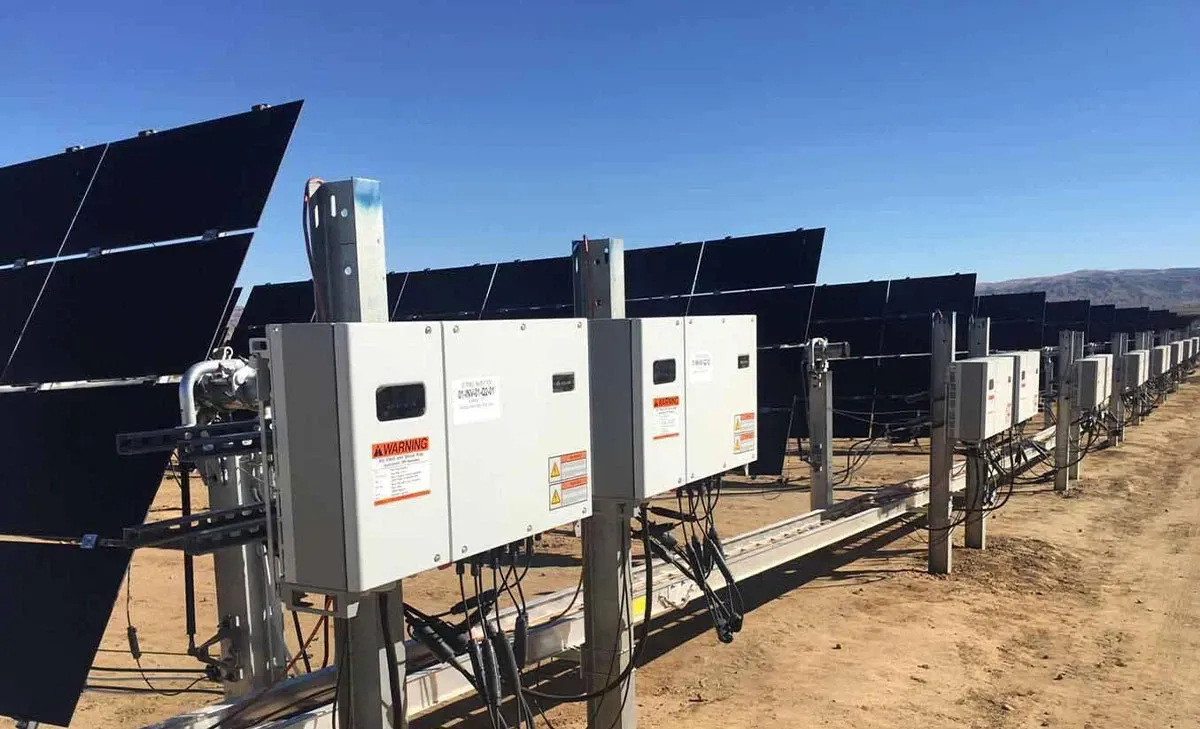
Without inverters, solar panels would not be compatible with standard electrical infrastructure. In modern renewable energy systems, inverters also perform advanced functions such as voltage regulation, performance monitoring, grid synchronization, and safety shutdown.
There are several common types of solar inverters:
-
String inverters – Connect multiple solar panels in series; widely used in residential solar panel systems.
-
Microinverters – Installed on each individual panel, improving energy optimization and shading performance.
-
Hybrid inverters – Combine solar conversion with battery storage integration.
-
Central inverters – Used in large-scale commercial solar power plants.
Each type supports different energy needs, installation designs, and performance goals.
Below is a simplified comparison table:
| Inverter Type | Typical Application | Efficiency Range | Key Feature |
|---|---|---|---|
| String Inverter | Residential systems | 95–98% | Centralized conversion |
| Microinverter | Residential / small roofs | 96–99% | Panel-level optimization |
| Hybrid Inverter | Solar + battery systems | 94–98% | Energy storage compatibility |
| Central Inverter | Utility-scale projects | 97–99% | High-capacity conversion |
Solar inverter efficiency plays a major role in overall system performance and return on investment. Even a small improvement in efficiency can significantly impact long-term energy production.
Why Solar Power Inverters Matter Today
As global demand for renewable energy systems increases, solar inverter technology has become increasingly important. Governments, businesses, and households are shifting toward solar panel installation to reduce reliance on fossil fuels and stabilize electricity expenses.
Solar inverters affect:
-
Homeowners adopting residential solar energy systems
-
Commercial facilities investing in commercial solar installations
-
Utility providers integrating distributed energy resources
-
Grid operators managing energy stability and power quality
Inverters solve several key challenges:
-
Energy conversion efficiency – Maximizes usable electricity from photovoltaic panels
-
Grid compatibility – Ensures compliance with grid-tied solar inverter standards
-
Power quality management – Regulates voltage and frequency
-
Safety features – Includes anti-islanding protection and automatic shutdown
Battery storage systems are also becoming more common. Hybrid solar inverters enable seamless switching between grid power, solar energy, and battery backup. This improves energy resilience during outages and peak demand periods.
High CPC keywords commonly associated with this field include:
-
Solar inverter efficiency
-
Residential solar system installation
-
Commercial solar energy solutions
-
Hybrid inverter technology
-
Solar battery storage systems
-
Grid-tied inverter systems
-
Photovoltaic energy systems
-
Renewable energy investment
These terms reflect the growing relevance of inverter technology in energy infrastructure planning and sustainability initiatives.
Recent Updates and Technology Trends
The solar inverter industry continues to evolve due to advancements in digital monitoring, artificial intelligence, and smart grid integration.
Recent trends include:
-
Smart inverters capable of remote diagnostics and real-time performance analytics
-
Advanced Maximum Power Point Tracking (MPPT) improving energy harvesting under variable sunlight
-
Bidirectional inverters supporting vehicle-to-home energy transfer
-
Cybersecurity enhancements in grid-connected systems
-
Modular inverter designs allowing easier scalability
Energy storage integration has accelerated as lithium-ion battery adoption expands. Modern hybrid inverter systems now include intelligent load management features, allowing prioritization of essential appliances during outages.
Another notable development is improved inverter lifespan. Manufacturers are enhancing thermal management systems and using more durable semiconductor materials such as silicon carbide to reduce heat loss and improve reliability.
Below is a simplified energy conversion flow diagram represented in table format:
| Stage | Energy Form | Component Responsible |
|---|---|---|
| 1 | Sunlight | Solar Panel |
| 2 | Direct Current (DC) | Solar Array |
| 3 | AC Conversion | Solar Inverter |
| 4 | Distribution | Electrical Panel |
| 5 | Storage (Optional) | Battery System |
These improvements are helping increase overall solar system performance and grid stability.
Laws, Regulations, and Government Policies
Solar power inverters are regulated to ensure electrical safety, grid compatibility, and environmental compliance. Policies vary by country, but common regulatory elements include:
-
Electrical safety certifications
-
Grid interconnection standards
-
Net metering policies
-
Renewable energy incentives
-
Performance and efficiency standards
In many regions, grid-tied solar inverter systems must comply with national electrical codes and interconnection rules established by energy authorities.
In India, solar installations are guided by policies under the Ministry of New and Renewable Energy (MNRE) and regulated by electricity authorities such as the Central Electricity Authority (CEA). These frameworks define technical standards for solar inverter compliance and grid synchronization.
Government programs such as rooftop solar initiatives and renewable energy subsidies influence inverter adoption rates. Many countries also require anti-islanding protection to ensure that solar systems automatically shut down during grid outages to protect utility workers.
International standards such as IEC certification and UL compliance are often required for inverter approval in various markets.
Understanding regulatory requirements helps system designers avoid compliance issues and ensures safe grid integration.
Tools and Resources for Solar Inverter Planning
Several digital tools and platforms assist in evaluating and managing solar inverter systems:
-
Solar system design software – Used for load calculation and system sizing
-
PV performance calculators – Estimate solar energy production based on location
-
Energy monitoring apps – Provide real-time inverter data and diagnostics
-
Battery storage simulation tools – Analyze backup capacity
-
Government renewable energy portals – Offer policy updates and documentation templates
Professionals often rely on:
-
Grid interconnection application forms
-
Electrical load assessment worksheets
-
Net metering calculation templates
-
Solar return on investment estimators
Monitoring software is increasingly integrated directly into inverter systems, allowing performance tracking through mobile dashboards.
Below is a simple example of estimated energy yield comparison:
| System Size (kW) | Average Daily Output (kWh) | With Optimized Inverter (kWh) |
|---|---|---|
| 3 kW | 12 | 13–14 |
| 5 kW | 20 | 22–23 |
| 10 kW | 40 | 44–46 |
Improved inverter technology can increase usable output by optimizing voltage and current conditions throughout the day.
Frequently Asked Questions
What is the main function of a solar inverter?
A solar inverter converts direct current (DC) electricity generated by solar panels into alternating current (AC) electricity that can power homes, businesses, and the electrical grid.
How long does a solar inverter typically last?
Most residential solar inverters operate efficiently for 10–15 years, while some high-quality models may last longer depending on environmental conditions and maintenance.
What is the difference between string inverters and microinverters?
String inverters connect multiple panels in a series and convert electricity centrally. Microinverters operate at the panel level, improving performance when shading or panel mismatch occurs.
Can solar inverters work during a power outage?
Standard grid-tied inverters shut down during outages for safety reasons. Hybrid inverters paired with battery storage can provide backup power if designed for that function.
Do solar inverters require maintenance?
Inverters require minimal maintenance but should be inspected periodically to ensure ventilation, firmware updates, and electrical connections remain secure.
Conclusion
Solar power inverters are a foundational element of modern photovoltaic energy systems. They enable the conversion of solar electricity into usable power, support grid integration, enhance safety, and increasingly manage battery storage solutions.
As renewable energy adoption grows, inverter technology continues to advance with improved efficiency, smart monitoring, and enhanced grid stability features. Regulatory frameworks ensure safety and compatibility, while digital tools help optimize system design and performance.
Understanding solar inverter efficiency, hybrid inverter technology, photovoltaic system design, and renewable energy regulations empowers individuals and organizations to make informed energy decisions. With ongoing innovation and policy support, solar inverters will remain central to the transition toward sustainable and resilient power infrastructure.

