Solar Street Lighting Insights: Information, Facts, and Helpful Resources
Solar street lighting refers to outdoor lighting systems powered by energy captured from sunlight. These systems typically include solar panels, rechargeable batteries, LED luminaires, and smart controllers. During daylight hours, solar panels absorb sunlight and convert it into electrical energy, which is stored in batteries. At night, the stored energy powers the streetlights automatically.
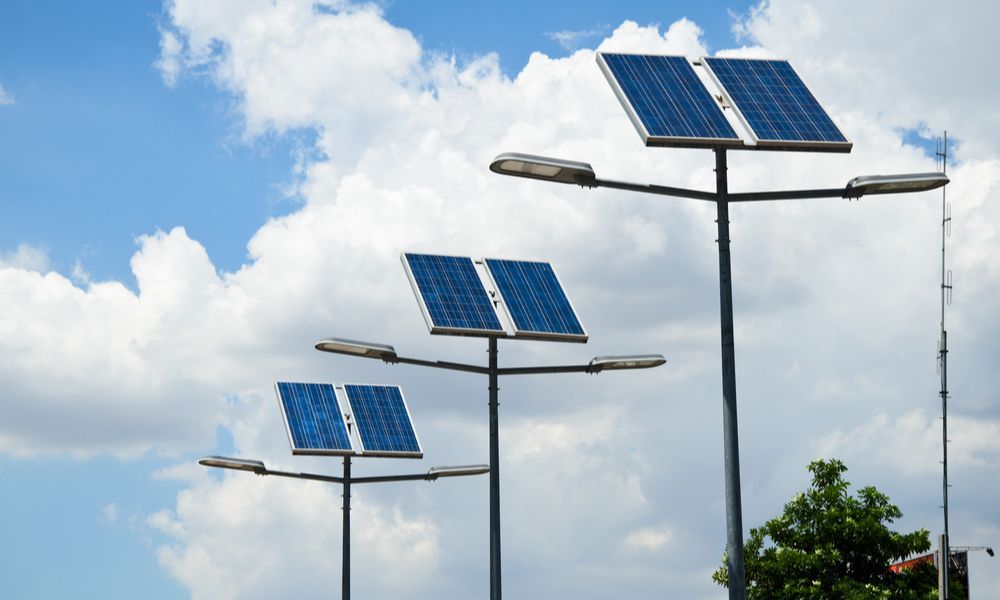
The concept of solar-powered street lighting emerged to address the growing need for outdoor illumination in areas where grid electricity is unreliable, expensive to maintain, or unavailable. Traditional street lighting depends heavily on centralized power infrastructure, which can be vulnerable to outages, high energy losses, and ongoing operational demands. Solar street lighting provides a decentralized alternative that operates independently from the electrical grid.
This technology is commonly used on roads, highways, pedestrian pathways, parks, campuses, industrial zones, and rural settlements. Its design focuses on energy efficiency, autonomous operation, and reduced environmental impact, making it suitable for both urban and remote environments.
Importance: Why Solar Street Lighting Matters Today
Solar street lighting plays an increasingly important role in modern infrastructure planning due to rising energy demands, environmental concerns, and the need for reliable public lighting. It supports public safety, mobility, and community development without adding pressure to conventional power systems.
Key reasons this topic matters include:
-
Energy efficiency and sustainability
Solar street lighting relies on renewable solar energy, reducing dependence on fossil fuels and lowering overall energy consumption. -
Improved public safety
Well-lit streets and public spaces help reduce accidents and enhance visibility for pedestrians and vehicles, especially in areas with limited infrastructure. -
Infrastructure access in underserved areas
Communities without stable grid access can still benefit from consistent outdoor lighting. -
Reduced system losses
Since energy is generated and used locally, transmission losses associated with centralized grids are minimized. -
Resilience during power interruptions
Solar street lights continue functioning during grid outages, supporting essential nighttime visibility.
This technology affects local governments, urban planners, rural development authorities, transport agencies, and communities that require dependable lighting without expanding electrical networks.
Recent Updates: Technology and Industry Developments
Recent developments in solar street lighting focus on improving efficiency, intelligence, and durability. Advances in photovoltaic cell efficiency allow panels to generate more power from limited sunlight, improving performance in cloudy or low-sunlight regions.
Battery technology has also progressed, with lithium-based storage systems offering longer lifespans, faster charging, and better temperature tolerance compared to older battery types. These improvements contribute to consistent nighttime operation and reduced maintenance needs.
Smart control systems have become more common. Features such as adaptive brightness, motion detection, and automated fault alerts help optimize energy usage and improve system monitoring. Some systems now adjust lighting levels based on traffic flow or pedestrian movement, conserving stored energy while maintaining safety.
Environmental durability has also improved. Modern enclosures are designed to withstand dust, humidity, heat, and heavy rainfall, making them suitable for diverse climatic conditions.
Laws or Policies: How Regulations and Public Programs Influence Adoption
Solar street lighting is often influenced by national and regional energy policies that promote renewable energy and energy-efficient infrastructure. Many governments encourage decentralized solar solutions as part of broader sustainability and emission-reduction strategies.
Policy influences commonly include:
-
Renewable energy promotion frameworks that prioritize solar-based infrastructure
-
Public lighting efficiency guidelines encouraging the use of LED and solar technologies
-
Rural and urban development programs that include solar lighting for roads and public spaces
-
Environmental compliance standards related to emissions, energy use, and material safety
These policies typically guide system specifications, quality standards, and implementation practices rather than direct commercial activity. Regulatory frameworks help ensure safety, durability, and performance consistency across installations.
Tools and Resources: Practical Aids for Understanding and Planning
Several non-commercial tools and resources help stakeholders evaluate and understand solar street lighting systems.
Commonly used resources include:
-
Solar irradiation assessment tools
Used to estimate sunlight availability for a specific location. -
Lighting design calculators
Help determine pole spacing, illumination levels, and panel sizing based on road width and usage. -
Battery capacity estimators
Assist in calculating required energy storage for expected nighttime operation. -
Technical standards documents
Provide guidance on lighting levels, safety requirements, and system durability. -
Energy performance comparison charts
Compare traditional grid lighting and solar lighting based on energy usage and efficiency metrics.
Example Comparison Table: Traditional vs Solar Street Lighting
| Feature | Traditional Street Lighting | Solar Street Lighting |
|---|---|---|
| Energy Source | Grid electricity | Solar energy |
| Grid Dependence | High | None |
| Operation During Outages | Limited | Continuous |
| Energy Transmission Loss | Present | Minimal |
| Environmental Impact | Higher | Lower |
Frequently Asked Questions: Clear and Factual Answers
How does solar street lighting work at night?
Energy collected during the day is stored in batteries and automatically used to power LED lights after sunset through a controller.
Can solar street lights work in cloudy conditions?
Yes. Systems are designed to store enough energy during sunny periods to operate through multiple low-sunlight days.
Is maintenance required for solar street lighting?
Basic inspections are recommended, mainly for cleaning panels and checking battery health. Modern systems are designed for low maintenance.
What determines the brightness of a solar street light?
Brightness depends on LED efficiency, panel capacity, battery storage, and controller programming.
Are solar street lights suitable for high-traffic roads?
They can be designed for various road types when properly sized and planned according to lighting standards.
Visual Data Insight: Energy Flow in a Solar Street Lighting System
| Component | Primary Function |
|---|---|
| Solar Panel | Converts sunlight into electrical energy |
| Charge Controller | Regulates energy flow and protects batteries |
| Battery | Stores energy for nighttime use |
| LED Luminaire | Provides illumination |
| Sensor System | Controls automatic on/off and brightness |
Conclusion: Understanding the Role of Solar Street Lighting
Solar street lighting represents a practical approach to outdoor illumination that aligns with modern energy efficiency and sustainability goals. By operating independently from the electrical grid, these systems address challenges related to energy access, infrastructure reliability, and environmental responsibility.
Ongoing technological improvements continue to enhance performance, reliability, and adaptability across different environments. Policy frameworks and planning tools further support structured adoption and standardized implementation.
For communities, planners, and decision-makers, understanding solar street lighting helps support informed choices about public infrastructure that balances safety, efficiency, and long-term environmental considerations.

