Spooling Machine Types Explanation for Benefits Limitations and System Performance
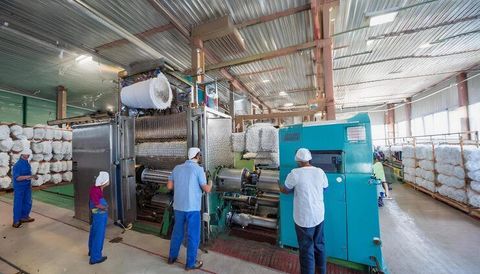
Spooling machines are industrial systems used to wind materials such as wires, cables, threads, films, and fibers onto spools or reels in a controlled and uniform manner. These machines play a critical role in industries such as textile manufacturing, wire and cable production, packaging, and plastics processing. Proper spooling ensures consistent tension, organized storage, and ease of handling during downstream processes such as transport, assembly, or further processing.
The importance of spooling machines has increased with the demand for high-speed production and precision handling of materials. Recent advancements in automation, tension control systems, and digital monitoring have improved spooling accuracy and efficiency. Industry observations indicate that optimized spooling systems can reduce material wastage by up to 15–20% while improving production consistency. Additionally, integration with automated production lines has enabled continuous operation and reduced labor dependency. As industries move toward higher productivity and quality standards, understanding spooling machine types and their performance characteristics is essential for selecting the right system.
Who It Affects and What Problems It Solves
Spooling machines impact production engineers, machine operators, quality control teams, and manufacturers. These systems are essential in processes where material winding must be precise and consistent.
Practical Problems Addressed
- Irregular winding causing material damage
- Inconsistent tension leading to defects
- Material wastage during handling
- Inefficient manual winding processes
- Difficulty in handling high-speed production
- Poor spool organization affecting downstream processes
- Increased downtime due to improper winding
Types of Spooling Machines
Common Machine Types
| Type | Description | Application |
|---|---|---|
| Manual Spooling Machine | Operator-controlled winding | Small-scale operations |
| Semi-Automatic Spooling Machine | Partial automation | Medium production |
| Automatic Spooling Machine | Fully automated system | High-volume production |
| Precision Spooling Machine | High accuracy winding | Fine wires and fibers |
| Traverse Spooling Machine | Controlled lateral movement | Uniform winding pattern |
Functional Differences
| Parameter | Manual | Semi-Automatic | Automatic |
|---|---|---|---|
| Automation Level | Low | Medium | High |
| Production Speed | Low | Moderate | High |
| Accuracy | Variable | Improved | High |
| Labor Requirement | High | Moderate | Low |
| Cost | Low | Medium | High |
System Components of Spooling Machines
Core Components
| Component | Function | Example Role |
|---|---|---|
| Spindle | Holds spool | Rotates for winding |
| Traverse Mechanism | Guides material | Ensures uniform winding |
| Tension Control System | Maintains tension | Prevents defects |
| Drive System | Powers machine | Controls speed |
| Control Panel | Manages settings | Adjusts parameters |
Supporting Systems
| System | Purpose | Benefit |
|---|---|---|
| Sensors | Monitor tension and speed | Real-time control |
| Braking System | Stops rotation | Safety and precision |
| Cooling System | Prevent overheating | Machine longevity |
Spooling Workflow
Step-by-Step Process
| Step | Process | Outcome |
|---|---|---|
| Material Feeding | Input material into machine | Ready for winding |
| Tension Adjustment | Set appropriate tension | Prevent damage |
| Winding | Material wrapped onto spool | Organized storage |
| Monitoring | Track process parameters | Maintain quality |
| Completion | Finished spool removal | Ready for use |
Performance Factors
| Factor | Impact |
|---|---|
| Tension Control | Determines winding quality |
| Speed Control | Affects productivity |
| Material Type | Influences winding behavior |
| Machine Calibration | Ensures consistency |
| Spool Size | Impacts capacity |
Comparison: Spooling Machines vs Manual Winding
| Parameter | Spooling Machines | Manual Winding |
|---|---|---|
| Efficiency | High | Low |
| Accuracy | High | Variable |
| Labor Requirement | Reduced | High |
| Production Speed | Fast | Slow |
| Material Handling | Controlled | Inconsistent |
Recent Updates and Trends (Past Year)
Automation and Smart Control
Modern spooling machines are equipped with digital control systems for precise tension and speed management.
Integration with Production Lines
Spooling systems are increasingly integrated into continuous manufacturing processes.
Advanced Tension Control Technologies
New systems provide real-time adjustments to maintain consistent winding quality.
Energy Efficiency Improvements
Optimized motors and drive systems reduce energy consumption.
IoT and Predictive Maintenance
Sensors and analytics enable monitoring and early detection of issues.
Laws and Policies Impacting Spooling Machines
Spooling machines must comply with industrial safety standards, electrical regulations, and quality control requirements.
Key Regulatory Areas
- Machine safety standards
- Electrical safety compliance
- Workplace safety regulations
- Quality assurance standards
Practical Guidance Table
| Regulatory Area | Requirement | Practical Action |
|---|---|---|
| Safety Standards | Prevent accidents | Install guards and emergency stops |
| Electrical Compliance | Safe operation | Use certified components |
| Worker Safety | Protect operators | Provide training and PPE |
| Quality Standards | Ensure consistency | Implement inspection processes |
Tools and Resources
Common Tools and Systems
| Tool/System | Purpose | Application |
|---|---|---|
| Control Software | Manage operations | Automation |
| Tension Measurement Tools | Monitor tension | Quality control |
| Maintenance Tools | Machine upkeep | Longevity |
| Sensors and Monitoring Systems | Track performance | Optimization |
| Inspection Equipment | Quality checks | Defect prevention |
Emerging Resources
- AI-based winding optimization tools
- Digital twin simulation systems
- Cloud-based monitoring platforms
- Advanced sensor technologies
Benefits and Limitations
Benefits
| Benefit | Explanation |
|---|---|
| High Precision | Consistent winding quality |
| Increased Productivity | Faster operations |
| Reduced Material Waste | Efficient handling |
| Automation Capability | Less manual intervention |
| Improved Quality | Uniform spooling |
Limitations
| Limitation | Explanation |
|---|---|
| High Initial Cost | Advanced machines are expensive |
| Maintenance Needs | Regular servicing required |
| Technical Complexity | Requires skilled operators |
| Space Requirement | Larger systems need space |
Frequently Asked Questions (FAQ)
What is a spooling machine?
A spooling machine is used to wind materials like wires or threads onto spools in a controlled manner.
What are the main types of spooling machines?
Manual, semi-automatic, automatic, precision, and traverse spooling machines are common types.
Why is tension control important in spooling?
It ensures uniform winding and prevents material damage.
Which industries use spooling machines?
Textile, wire and cable, packaging, and plastics industries commonly use them.
How can spooling performance be improved?
By optimizing tension, speed, and using advanced control systems.
Conclusion
Spooling machines are essential for efficient material handling and processing in various industries. Their ability to provide precise, consistent, and high-speed winding makes them a valuable asset in modern production environments. With advancements in automation, tension control, and monitoring technologies, spooling systems continue to improve in performance and reliability.
A practical recommendation is to select spooling machines based on production requirements, material characteristics, and desired automation levels. By combining proper system design, maintenance practices, and performance optimization strategies, organizations can achieve improved efficiency, reduced waste, and consistent product quality.