The Ultimate Guide to Athleisure: Style Meets Comfort
Athleisure has become a widely recognized fashion approach that blends athletic wear with everyday clothing. The term “athleisure” combines “athletic” and “leisure,” reflecting its dual purpose: garments designed for physical activity that are also suitable for casual, daily use. Originally influenced by sportswear and fitness culture, athleisure gained traction as lifestyles shifted toward convenience, mobility, and comfort.
This style includes items such as leggings, joggers, hoodies, sneakers, and performance tops that can be worn both in and out of workout settings. Over time, athleisure has evolved beyond gyms and fitness studios, becoming a part of modern wardrobes across different age groups and professions.
The rise of remote work, flexible schedules, and health-conscious living has further contributed to the growth of athleisure. It addresses the need for clothing that adapts to various situations without requiring frequent changes throughout the day.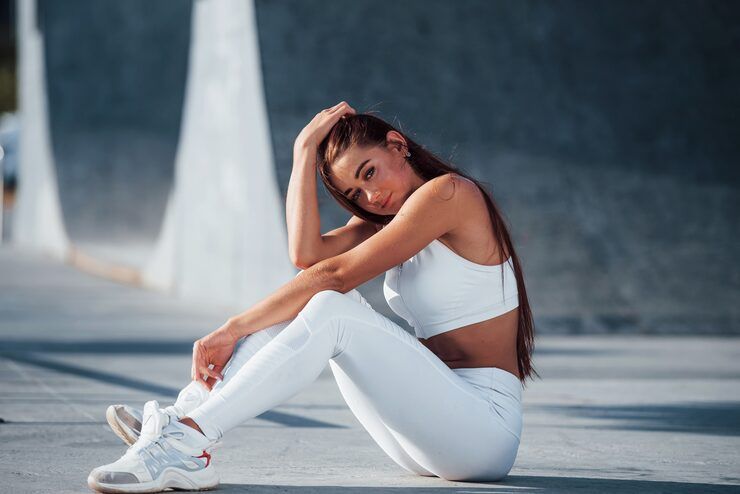
Importance
Athleisure matters today because it aligns with changing lifestyle patterns. People increasingly prioritize comfort and versatility in their clothing choices. Traditional distinctions between formal, casual, and sportswear are becoming less rigid, allowing for more adaptable wardrobes.
Everyday Practicality
Athleisure simplifies daily routines by offering clothing that transitions easily between activities. For example, an individual may move from a morning walk to errands or informal meetings without changing outfits. This reduces the need for multiple clothing options during the day.
Comfort and Functionality
Many athleisure garments are designed with flexible fabrics, moisture management, and breathable materials. These features enhance comfort during both active and sedentary activities. Unlike traditional clothing, which may restrict movement, athleisure supports a wider range of motion.
Changing Work Culture
As workplaces adopt more relaxed dress codes, athleisure has become acceptable in environments that previously required formal attire. Hybrid and remote work settings have further normalized this shift.
Key Benefits at a Glance
- Versatility: Suitable for exercise and daily wear
- Comfort: Designed with stretchable and breathable materials
- Convenience: Reduces the need for outfit changes
- Adaptability: Fits into various social and professional settings
Recent Updates
Athleisure continues to evolve, with several trends shaping its current direction.
Sustainable Materials
There is growing attention toward environmentally responsible fabrics. Many garments now incorporate recycled fibers, organic cotton, or plant-based materials. This reflects broader awareness of environmental impact within the fashion industry.
Smart Textiles
Advancements in textile technology have introduced features such as temperature regulation and odor control. These innovations enhance usability, particularly for individuals with active routines.
Minimalist Design Trends
Neutral colors, clean lines, and simple silhouettes are becoming more common. This shift supports the idea of mixing and matching pieces easily across different outfits.
Inclusive Sizing and Design
Brands are expanding size ranges and considering diverse body types. This reflects a broader movement toward inclusivity in fashion.
Digital Integration
Online platforms and virtual try-on tools are influencing how people explore athleisure. Digital catalogs and size guides help users understand fit and styling options more effectively.
Laws or Policies
Athleisure, like all clothing categories, is influenced by general textile and consumer protection regulations rather than specific laws targeting this style.
Textile Labeling Requirements
In many countries, clothing must include labels that indicate fiber content, care instructions, and country of origin. These labels help consumers make informed decisions about garment maintenance and material composition.
Environmental Regulations
Governments are increasingly introducing policies related to sustainable production. These may include guidelines on waste management, water usage, and chemical processing in textile manufacturing.
Workplace Dress Codes
While not laws, organizational dress policies can influence how athleisure is worn. Some workplaces allow casual attire, while others maintain stricter guidelines. This affects how individuals integrate athleisure into professional settings.
Consumer Safety Standards
Clothing must meet safety standards, such as restrictions on harmful substances in fabrics and dyes. These regulations aim to ensure that garments are safe for regular use.
Tools and Resources
Several tools and resources can help individuals understand and incorporate athleisure into their daily lives.
Size and Fit Guides
Many online platforms provide detailed size charts and measurement instructions. These guides help users select garments that match their body dimensions.
Fabric Comparison Charts
Resources that explain different fabric types—such as polyester blends, cotton, and elastane—can help users understand performance characteristics like stretch and breathability.
Wardrobe Planning Templates
Digital templates allow individuals to organize outfits and plan combinations. This can be useful for creating a functional athleisure wardrobe.
Fitness and Lifestyle Apps
Apps that track physical activity or daily routines often include recommendations for suitable clothing types based on activity levels.
Example Fabric Comparison Table
| Fabric Type | Key Features | Common Use in Athleisure |
|---|---|---|
| Cotton | Soft, breathable | T-shirts, hoodies |
| Polyester | Durable, moisture-wicking | Leggings, tops |
| Elastane (Spandex) | High stretch, flexible | Activewear blends |
| Nylon | Lightweight, strong | Jackets, sportswear |
FAQs
What is athleisure and why is it popular?
Athleisure is a style of clothing that combines athletic wear with casual fashion. It is popular because it provides comfort, flexibility, and the ability to transition between different activities without changing outfits.
How can athleisure be styled for daily wear?
Athleisure can be styled by pairing items like leggings or joggers with casual tops, jackets, or sneakers. Neutral colors and simple designs make it easier to create balanced outfits suitable for everyday use.
Is athleisure appropriate for work environments?
Athleisure may be suitable for workplaces with relaxed dress codes. In such settings, combining structured pieces like blazers with athleisure items can create a more polished appearance.
What fabrics are commonly used in athleisure clothing?
Common fabrics include cotton, polyester, elastane, and nylon. These materials are chosen for their comfort, stretch, durability, and moisture management properties.
How has athleisure evolved in recent years?
Athleisure has evolved through the use of sustainable materials, improved fabric technologies, and more inclusive design approaches. It has also become more widely accepted in various social and professional contexts.
Conclusion
Athleisure represents a shift in how people approach clothing, emphasizing comfort, versatility, and functionality. It reflects broader lifestyle changes, including flexible work environments and increased focus on well-being. As materials and design continue to evolve, athleisure remains a practical option for modern daily wear. Its adaptability allows it to fit seamlessly into different aspects of everyday life without compromising ease of movement or style.