Things to Do in Tokyo: A Guide to Attractions and Cultural Experiences
Things to do in Tokyo range from exploring historic temples and traditional gardens to visiting modern shopping districts, museums, food markets, and entertainment areas.
Visitors exploring things to do in Tokyo can experience centuries-old customs alongside busy shopping districts, digital art exhibitions, public gardens, and diverse food traditions. The city developed from a small settlement known as Edo into a major political, economic, and cultural center.
Tokyo’s history has influenced its neighborhoods, buildings, festivals, and everyday routines. During the Edo period, which lasted from the early seventeenth century until the nineteenth century, the city became the seat of the Tokugawa shogunate. After Japan’s political transformation in the late nineteenth century, Edo was renamed Tokyo and became the imperial capital.
Much of the city was damaged during the Great Kanto Earthquake and the Second World War. Reconstruction gradually reshaped its streets, transport networks, and commercial areas. Today, historic landmarks coexist with modern buildings, creating a varied urban environment.
Traditional Attractions and Historic Districts
Asakusa is associated with traditional Tokyo and is known for Senso-ji, a Buddhist temple visited by residents and travelers. Nakamise Street, which leads toward the temple, contains shops selling local snacks, crafts, and traditional souvenirs. The surrounding district provides an introduction to older forms of Japanese architecture and religious customs.
Meiji Jingu, located near Harajuku, is a Shinto shrine surrounded by woodland. Its paths provide a quieter environment within a densely developed city. Visitors can learn about Shinto traditions by observing shrine etiquette, including how people approach the main worship area.
Other historic places include the Imperial Palace grounds, traditional gardens, and preserved streets in districts such as Yanaka. These locations illustrate different periods of Tokyo’s development and provide context for understanding Japanese history.
Modern City Life and Entertainment
Tokyo is also known for contemporary culture. Shibuya features a busy pedestrian crossing, large commercial buildings, restaurants, and entertainment venues. Shinjuku combines office towers, department stores, parks, and nightlife areas, while Akihabara is associated with electronics, video games, anime, and manga.
The city’s variety means that visitors can explore several cultural interests without traveling far beyond the metropolitan area. However, individual districts differ in atmosphere, opening hours, and crowd levels, so an itinerary usually benefits from grouping nearby attractions together.
Why Tokyo Matters to Travelers and Residents
Tokyo is important because it offers insight into how Japanese traditions adapt to modern urban life. Its museums, temples, public spaces, markets, and cultural events provide opportunities to understand the country beyond its popular international image. The city also attracts people interested in architecture, design, technology, food, fashion, and performing arts.
For residents, Tokyo’s cultural institutions and public spaces support recreation, education, and community activities. Parks provide outdoor areas in a dense urban environment, while libraries, museums, and galleries help preserve and explain Japanese heritage.
Cultural Learning Through Everyday Experiences
Some meaningful experiences do not require visiting a major landmark. Walking through a residential neighborhood, observing local shopping streets, or visiting a public garden can reveal how the city functions. Small shrines, neighborhood festivals, and local markets often reflect customs that may receive less attention in major tourist districts.
Food is another important part of cultural exploration. Tokyo offers sushi, soba noodles, tempura, ramen, yakitori, and regional Japanese dishes. Depachika, the food halls commonly found in department-store basements, display prepared meals, sweets, and seasonal ingredients.
Dining customs can vary by establishment. Some restaurants use ticket machines, some specialize in one dish, and others follow reservation systems. Checking the ordering process before entering can help visitors feel more comfortable.
Accessibility, Crowds, and Planning Challenges
Tokyo’s size can make planning difficult, especially for people visiting for the first time. Attractions are spread across different districts, and travel time depends on station access, transfers, walking distances, and crowd levels. A location that appears nearby on a map may still require a complicated station transfer.
Other considerations include seasonal weather, peak visiting periods, accessibility requirements, and different opening schedules. Popular observation decks and exhibitions may require advance reservations, while outdoor attractions can be affected by rain or heat.
A practical itinerary balances major landmarks with time for meals, rest, and travel. Visitors with mobility needs may also want to check elevator locations, step-free routes, and accessible entrances before setting out.
Recent Developments and Travel Trends
Tokyo continues to adapt to changing visitor interests through updated cultural exhibitions, digital information tools, and improvements to urban navigation. Interest in immersive art, contemporary architecture, anime culture, and local food experiences has expanded the range of activities available beyond traditional sightseeing.
Travel planning increasingly relies on digital maps, electronic tickets, translation applications, and online reservation systems. These tools can help visitors compare routes, understand entry requirements, and check operating information before reaching an attraction.
Digital Art and Interactive Exhibitions
Interactive museums and digital art spaces have become a recognizable part of Tokyo’s contemporary cultural landscape. These exhibitions may combine projections, sound, lighting, and responsive installations to create environments that visitors move through rather than observe from a single position.
Exhibition formats and entry arrangements can change, so visitors should check the current rules for each venue. Some experiences use timed entry, limit the size of visitor groups, or have particular requirements for bags, photography, and footwear.
Sustainable and Neighborhood-Based Exploration
Another continuing trend is interest in walking routes, local shopping streets, public gardens, and neighborhood food traditions. Exploring areas outside the busiest tourist centers can provide a different view of Tokyo’s daily life while spreading visitor activity across more districts.
Public transport remains central to moving around the city. Walking between nearby destinations, carrying reusable water bottles where practical, and following waste-disposal instructions can also help visitors respect local surroundings.
Seasonal Events and Outdoor Activities
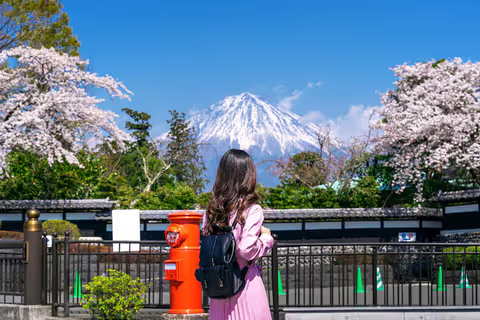
Tokyo’s calendar includes cherry blossom viewing, summer festivals, autumn foliage, winter illuminations, and cultural events at temples and shrines. The timing and scale of these activities vary with weather and local arrangements.
The following table summarizes common attractions and the experiences associated with them.
Attraction or district | Main experience | Approximate time to allow |
|---|---|---|
Asakusa and Senso-ji | Temple architecture, traditional streets, local snacks | 2–3 hours |
Meiji Jingu | Shrine traditions and woodland paths | 1–2 hours |
Shibuya | City views, shopping districts, pedestrian crossing | 2–3 hours |
Shinjuku Gyoen | Landscaped gardens and seasonal plants | 1.5–2.5 hours |
Ueno Park | Museums, green spaces, cultural institutions | 2–4 hours |
Akihabara | Electronics, games, anime, and manga culture | 2–3 hours |
Tsukiji Outer Market | Japanese food culture and market browsing | 1.5–2.5 hours |
These estimates are planning guidelines rather than fixed durations. Actual visit times depend on queues, exhibitions, meal breaks, weather, and individual interests.
Rules, Regulations, and Visitor Policies
Visitors to Tokyo must follow Japanese national laws and local rules that apply to public spaces, transport, cultural sites, and accommodation. Entry requirements depend on nationality, travel purpose, and length of stay. Travelers should consult the relevant Japanese immigration authorities or their nearest Japanese diplomatic mission for current entry information.
Rules at Temples, Shrines, and Museums
Religious sites may have specific expectations concerning behavior, photography, restricted areas, and ceremonies. Visitors should follow posted instructions, avoid disturbing worshippers, and ask permission before photographing people in situations where consent is appropriate.
Museums and galleries may restrict flash photography, tripods, food, drinks, or large bags. Some exhibits prohibit photography altogether. Following these rules helps protect collections and supports a comfortable experience for other visitors.
Public Transport and Public Conduct
Tokyo’s railway and subway networks operate under rules established by their respective operators. Passengers are expected to follow platform markings, queue appropriately, keep passageways clear, and pay the correct fare. Eating, speaking loudly, and phone use may be subject to etiquette expectations that vary by setting.
Smoking is restricted in many public areas, and designated smoking locations may be required. Local rules differ between wards and facilities, so posted signs should be checked rather than assuming the same restrictions apply everywhere.
Accommodation and Travel Documentation
Accommodation providers may require identity documents and details from international guests under Japanese law. Visitors should confirm check-in procedures and any applicable local accommodation taxes before arrival.
Travelers should also keep identification and essential travel information accessible. Rules can change, and official government announcements provide the most reliable information about immigration, customs, and public conduct requirements.
Tools and Resources for Exploring Tokyo
A range of digital and printed resources can help visitors plan routes, understand local customs, and identify attractions that match their interests.
Navigation and Transport Applications
Google Maps and Japan Travel by NAVITIME can help with route planning, station transfers, walking directions, and estimated journey times. Information may vary by route and operator, so checking station notices is useful when disruptions occur.
Tokyo Metro and Toei Subway publish network information for their respective lines. Railway operator websites and station information boards can clarify service changes, station exits, accessibility facilities, and ticket conditions.
Cultural and Visitor Information
The Tokyo Metropolitan Government’s tourism information resources explain local districts, cultural attractions, seasonal activities, and practical travel matters. The Japan National Tourism Organization provides broader information about Japanese customs, transport, and regional destinations.
Museum websites and official venue pages are useful for checking admission arrangements, opening hours, exhibition schedules, and photography policies. Information should be reviewed shortly before visiting because arrangements may change.
Language and Payment Preparation
Google Translate and similar translation applications can assist with menus, signs, and basic conversations. Downloaded language resources can be useful when mobile connectivity is limited.
International visitors should also check which payment methods are accepted at individual venues. Many urban establishments accept electronic payments, but smaller shops, ticket machines, and some traditional venues may have different arrangements. Carrying an appropriate amount of Japanese yen can help with transactions where cards are not accepted.
Frequently Asked Questions
What are the main things to do in Tokyo for first-time visitors?
Common activities include visiting Senso-ji in Asakusa, walking through Meiji Jingu, exploring Shibuya and Shinjuku, visiting museums in Ueno, and experiencing Japanese food culture. The right combination depends on available time and personal interests.
Which Tokyo attractions are suitable for learning about Japanese culture?
Senso-ji and Meiji Jingu introduce Buddhist and Shinto traditions. Museums, traditional gardens, local markets, and historic neighborhoods provide additional context about Japanese history, art, food, and everyday customs.
How many days are needed to explore Tokyo?
Three to five days can provide time to explore several major districts without rushing every activity. A longer visit allows for additional museums, seasonal events, neighborhood walks, and day trips outside the city.
What is the easiest way to travel between Tokyo attractions?
Trains and subways are widely used for travel between districts. Navigation applications can help identify routes and transfers, while walking is often practical for exploring attractions located close together.
When is a suitable time to visit Tokyo?
Spring and autumn are popular for mild weather and seasonal scenery, although crowd levels can rise around major attractions. Summer can be hot and humid, while winter is generally cooler. The appropriate period depends on weather preferences, planned activities, and event schedules.
Key Takeaways
Tokyo combines historic religious sites, modern entertainment districts, museums, gardens, and diverse food traditions within a large metropolitan area. Understanding the character of each neighborhood helps visitors plan realistic routes and explore both familiar landmarks and everyday local culture. Transport applications, official visitor information, and awareness of local rules can make travel planning more manageable. Seasonal conditions, accessibility needs, and venue policies remain important considerations when organizing a visit.