Tyre Balancing Machines: Basics, Working Process, and Key Facts
Tyre balancing machines are specialized automotive workshop devices designed to detect and correct uneven weight distribution in vehicle wheels. When a tyre and wheel assembly does not rotate evenly, it creates imbalance that affects driving comfort and vehicle performance. These machines exist to measure such imbalance and guide corrective adjustments.
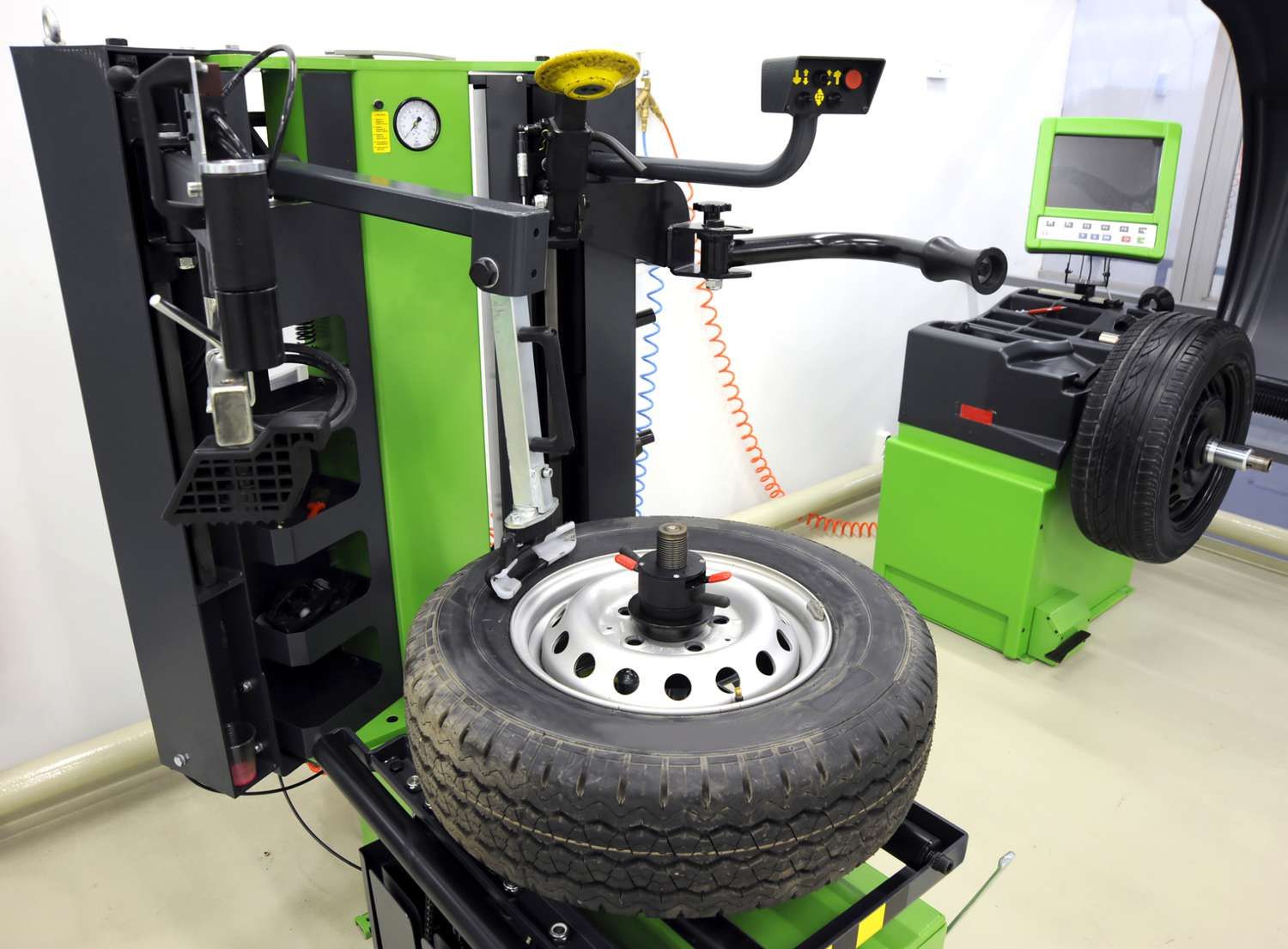 A typical wheel assembly may appear round and smooth, but even small variations in weight can cause vibration at normal driving speeds. Tyre balancing machines address this issue by identifying where weight differences occur during rotation. This allows technicians to restore balance using precise counterweights.
Tyre balancing is different from wheel alignment. Alignment focuses on wheel angles, while balancing focuses on weight distribution around the wheel’s axis. Both processes support stable and predictable vehicle handling, but they solve different mechanical problems.
Why Tyre Balancing Matters Today
Tyre balancing plays an important role in modern transportation due to higher driving speeds, lighter vehicle components, and increased expectations for ride comfort. Even minor imbalance can be noticeable in newer vehicles equipped with sensitive suspension systems.
The importance of tyre balancing machines extends to several groups:
-
Passenger vehicle owners seeking smoother driving experiences
-
Commercial fleet operators focused on tyre longevity
-
Automotive workshops maintaining safety standards
-
Manufacturers aiming to reduce vibration-related wear
Unbalanced tyres can lead to steering wheel vibration, uneven tread wear, reduced fuel efficiency, and stress on suspension components. Over time, these effects can shorten tyre lifespan and reduce vehicle stability.
By identifying imbalance early, tyre balancing machines help prevent secondary issues that may affect braking performance, steering accuracy, and overall road safety.
How Tyre Balancing Machines Work
The working process of tyre balancing machines follows a structured and repeatable method. While designs vary, the core principles remain consistent across most models.
Wheel mounting and setup
The wheel is mounted onto the machine’s spindle using a centering system. Proper mounting is essential, as incorrect positioning can affect measurement accuracy.
Rotation and measurement
The machine spins the wheel at a controlled speed. Sensors measure vibration and centrifugal force as the wheel rotates. These measurements indicate where excess weight exists.
Data analysis
The machine calculates imbalance using onboard software. Results are displayed on a digital screen, showing the precise locations where corrective weights are needed.
Correction guidance
Technicians apply balancing weights at the indicated positions. The wheel may be re-spun to confirm that balance has been restored within acceptable limits.
Types of Tyre Balancing Methods
Tyre balancing machines generally support two primary balancing approaches.
Static balancing
This method corrects vertical imbalance, where the wheel is heavier on one side. It is commonly used for narrower wheels and basic balancing needs.
Dynamic balancing
This method addresses both vertical and lateral imbalance. It is essential for wider wheels and higher-speed vehicles, as it ensures stability across multiple axes.
Comparison of balancing methods
| Feature | Static Balancing | Dynamic Balancing |
|---|---|---|
| Corrects vertical imbalance | Yes | Yes |
| Corrects side-to-side imbalance | No | Yes |
| Suitable for high-speed driving | Limited | Strong |
| Measurement complexity | Lower | Higher |
Key Components of a Tyre Balancing Machine
Understanding the main components helps explain how these machines achieve precision.
-
Spindle and shaft that hold the wheel securely
-
Sensors that detect vibration and rotational force
-
Control panel or display showing imbalance data
-
Calibration system ensuring consistent measurement accuracy
-
Protective hood improving safety during rotation
Each component works together to ensure accurate detection and repeatable results.
Recent Developments and Industry Trends
Recent developments in tyre balancing technology have focused on automation, precision, and usability. Digital displays have become more intuitive, reducing operator error. Sensor accuracy has improved, allowing machines to detect smaller imbalances than earlier designs.
Another noticeable trend is the integration of data storage features. Some machines can store wheel profiles and measurement history, supporting consistency in repeated servicing. Noise reduction and energy efficiency have also become design priorities.
In many regions, growing adoption of larger alloy wheels and low-profile tyres has increased the demand for advanced balancing capabilities. These tyre types require higher precision due to their sensitivity to imbalance.
Regulatory and Policy Considerations
Tyre balancing machines are influenced by automotive safety and workplace regulations rather than direct consumer-facing laws. Regulations typically focus on equipment safety, calibration accuracy, and technician training standards.
In many countries, vehicle inspection guidelines emphasize wheel condition and vibration control as part of roadworthiness checks. Balanced tyres contribute indirectly to compliance with these standards.
Workplace safety policies may require protective hoods, emergency stop functions, and electrical safety certification for workshop equipment. Environmental regulations can also influence machine design, especially regarding power consumption and material use.
Tools and Resources Related to Tyre Balancing
Several tools and reference resources support the effective use of tyre balancing machines.
Technical tools
-
Wheel weight charts for different rim sizes
-
Calibration gauges for periodic accuracy checks
-
Digital tyre pressure measurement tools
Educational resources
-
Automotive maintenance manuals
-
Technical training guides on wheel dynamics
-
Standard operating procedures for workshop practices
Data and calculation aids
-
Rotational force calculators
-
Vibration analysis reference tables
-
Tyre wear pattern interpretation charts
These resources help ensure that balancing results remain consistent and reliable.
Common Tyre Imbalance Indicators
Drivers and technicians often recognize imbalance through observable symptoms.
-
Steering wheel vibration at moderate speeds
-
Uneven or patchy tyre tread wear
-
Increased noise during driving
-
Reduced ride comfort on smooth roads
Recognizing these indicators supports timely corrective action.
Frequently Asked Questions
What causes tyre imbalance?
Tyre imbalance can result from manufacturing variations, uneven tread wear, wheel damage, or loss of wheel weights over time.
How often should tyres be balanced?
Balancing is typically recommended when new tyres are installed, after tyre rotation, or when vibration symptoms appear.
Can imbalance affect fuel efficiency?
Yes. Imbalanced tyres can increase rolling resistance, which may slightly reduce fuel efficiency over extended use.
Is tyre balancing required for all vehicles?
Most passenger and commercial vehicles benefit from balanced tyres, especially those driven at higher speeds or carrying regular loads.
Does balancing fix alignment issues?
No. Balancing corrects weight distribution, while alignment corrects wheel angles. Both address different mechanical concerns.
Tyre Balancing Accuracy and Performance
Accuracy is central to effective tyre balancing. Even small deviations can become noticeable at highway speeds. Modern machines are designed to measure imbalance within very narrow tolerances, supporting smoother rotation and reduced mechanical stress.
The relationship between imbalance and vibration can be summarized as follows.
| Imbalance Level | Vibration Impact | Driving Effect |
|---|---|---|
| Low | Minimal | Smooth operation |
| Moderate | Noticeable | Steering vibration |
| High | Severe | Handling instability |
Maintaining balance within acceptable limits supports predictable vehicle behavior.
Conclusion
Tyre balancing machines play a crucial role in maintaining vehicle stability, comfort, and mechanical efficiency. By identifying and correcting uneven weight distribution, these machines help reduce vibration, extend tyre life, and support safe driving conditions.
As vehicle design evolves and expectations for ride quality increase, accurate tyre balancing remains a foundational element of automotive maintenance. Understanding how these machines work and why they matter helps drivers and technicians appreciate their role in everyday transportation.

