Understanding Automatic Slitting Machines: Key Insights and Technical Basics
Automatic slitting machines are specialized industrial devices used to cut large rolls of materials such as paper, plastic film, aluminum foil, textiles, or sheet metal into narrower, more manageable strips. These machines play a crucial role in converting large master rolls into smaller rolls that are suitable for downstream processing, packaging, or distribution.
Slitting technology has evolved significantly over the past few decades. Originally developed to enhance productivity in textile and packaging industries, today’s automatic slitting machines combine precision, automation, and safety. They come equipped with programmable settings, touchscreens, tension control systems, and sensor-based monitoring for consistent output.
These machines are found across diverse sectors including packaging, printing, automotive, construction, medical supplies, electronics, and consumer goods manufacturing. They help companies save time, reduce material waste, and improve production efficiency.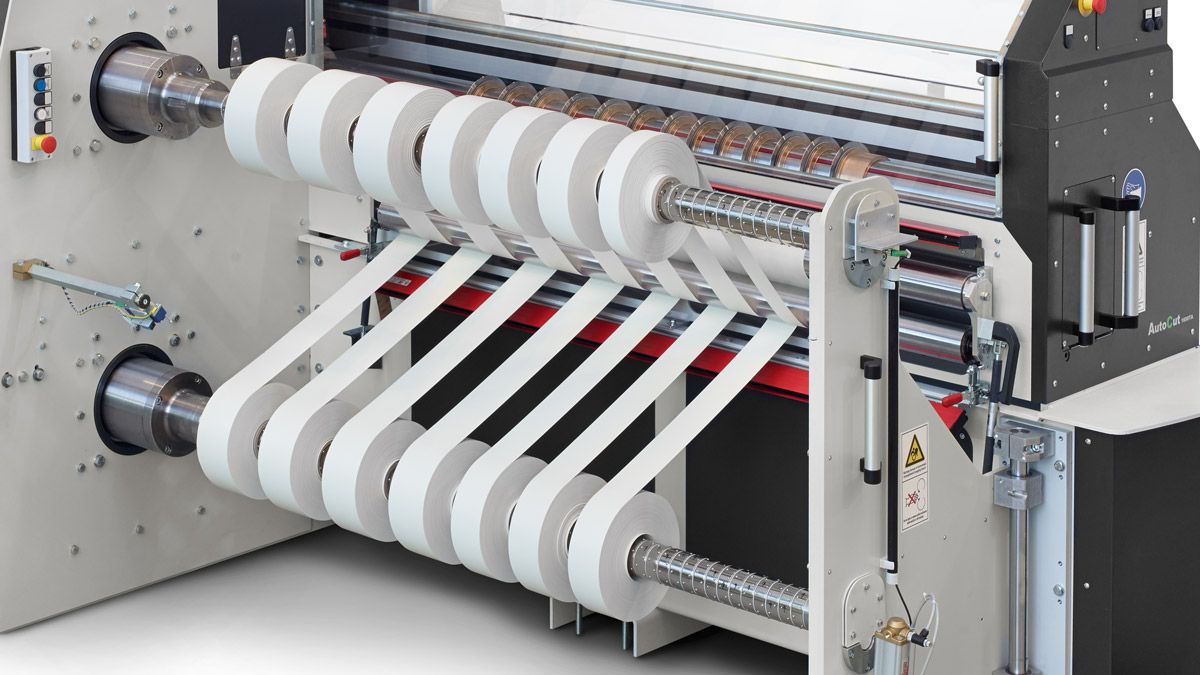
Why Automatic Slitting Machines Matter Today
In modern manufacturing, speed and precision are critical. Automatic slitting machines are valuable because they help:
-
Enhance operational efficiency: Automating the slitting process minimizes manual labor and speeds up production.
-
Reduce waste: Accurate cuts mean fewer defects and less scrap material.
-
Support high-volume operations: Many industries rely on continuous, high-throughput processing, which is difficult to achieve manually.
-
Ensure uniformity: Machines maintain consistent strip width and alignment, which is essential for quality control.
-
Increase safety: Advanced machines come with features that reduce the risks associated with manual cutting or blade handling.
These machines affect everyone from factory workers to supply chain managers and play a hidden but essential role in the products we use every day from adhesive tapes and labels to insulation materials and laminated packaging.
Recent Trends and Innovations
Over the past year, manufacturers have introduced significant updates in the design and function of automatic slitting machines. Noteworthy trends include:
-
Smart automation: Machines now integrate with IoT and Industry 4.0 platforms for predictive maintenance and remote operation. Brands like Kampf and Atlas Converting have launched smart control panels in 2025.
-
Laser slitting and ultrasonic blades: New cutting methods are being adopted for sensitive or composite materials, reducing wear and improving accuracy.
-
Sustainable slitting: More machines are being designed for energy efficiency and minimal environmental impact. Slitter rewinders now include energy recovery systems and quieter motors.
-
Modular designs: Manufacturers increasingly offer modular machines that can be customized for different widths, materials, or speeds. This trend was particularly visible at the Interpack 2024 and ICE Europe exhibitions.
These innovations reflect growing demand for flexibility, efficiency, and sustainability in manufacturing.
Regulatory Considerations and Standards
Automatic slitting machines are subject to a variety of international and local regulations to ensure workplace safety, energy efficiency, and quality assurance.
Some of the relevant policies and standards include:
-
ISO 13849 and IEC 62061: Safety standards for machine controls and functional safety.
-
CE Marking (EU): Machines sold in Europe must comply with machinery directives regarding safety, noise, and emissions.
-
OSHA Guidelines (USA): Operators must follow Occupational Safety and Health Administration regulations, particularly regarding blade safety and mechanical operation.
-
BIS Certification (India): Indian manufacturers must adhere to quality and safety standards set by the Bureau of Indian Standards.
-
RoHS Compliance: For machines with electronic components, compliance ensures hazardous substances are minimized.
Failure to comply with these standards can result in operational shutdowns, fines, or product recalls. As a result, machine buyers are advised to consult local authorities or industry associations before procurement.
Helpful Tools and Resources
If you're looking to understand, buy, or maintain an automatic slitting machine, several resources and tools can help:
Technical Tools
-
Tension calculators: Tools to determine the correct tension settings based on material type and thickness.
-
Slitting speed calculators: Help optimize machine throughput while maintaining safety and precision.
-
Material compatibility charts: Useful for selecting blade types and speeds.
Online Platforms and Portals
-
Thomasnet: For comparing slitting machine suppliers in the U.S.
-
Alibaba and IndiaMART: B2B marketplaces offering detailed product specifications and vendor comparisons.
-
YouTube channels: Educational content from OEMs like Kampf, ASHE Converting, and Elite Cameron.
Industry Associations and Standards
-
Association for Roll-to-Roll Converters (ARC)
-
Indian Printing Packaging & Allied Machinery Manufacturers’ Association (IPAMA)
-
European Machinery Association (CEMA)
These resources provide technical documentation, training material, and up-to-date regulatory guidance.
Frequently Asked Questions
What materials can be processed using automatic slitting machines?
Automatic slitting machines can handle a wide variety of materials, including paper, plastic films (PET, BOPP, PVC), aluminum foil, nonwovens, textiles, rubber sheets, and even thin metal strips.
How do slitting machines maintain precision during high-speed operations?
They use tension control systems, edge guiding units, laser alignment, and sensor-based feedback loops to ensure consistent cutting across the entire roll, even at high speeds.
What is the difference between a slitter and a slitter rewinder?
A slitter only cuts the material, while a slitter rewinder cuts and then rewinds the material into new rolls. Rewinders are essential for packaging or shipping finished rolls directly.
How often do blades need to be replaced?
Blade life depends on the material type, machine speed, and blade quality. On average, rotary slitting blades may last from several hours to a few days, while razor or shear blades often require more frequent maintenance.
Is operator training necessary?
Yes. Even though these machines are automated, operators need to understand machine setup, safety protocols, emergency shutdown procedures, and maintenance tasks.
Slitting Machine Types and Use Cases (Table)
| Machine Type | Suitable Materials | Common Industries | Cutting Method |
|---|---|---|---|
| Razor Slitting Machine | Plastic films, thin paper | Packaging, labeling | Razor blade |
| Shear Slitting Machine | Metal sheets, thick films | Automotive, industrial foil | Upper and lower blades |
| Score Slitting Machine | Rubber, laminated material | Construction, cable insulation | Pressed wheels |
| Laser Slitting Machine | Composite, sensitive films | Electronics, medical devices | Laser beam |
Final Thoughts
Automatic slitting machines are foundational to modern industrial workflows, enabling the precise and efficient conversion of wide rolls into narrow, usable forms. Their role spans from small-scale packaging operations to large-scale manufacturing plants, supporting productivity, quality, and consistency.
As technology continues to evolve, these machines are becoming smarter, safer, and more adaptable. Whether you're an industry professional or a curious learner, understanding their function, relevance, and standards can offer valuable insight into a vital aspect of manufacturing.
By staying informed about the latest innovations, compliance requirements, and tools, stakeholders can make better decisions about using, maintaining, or investing in slitting technology—helping to ensure safety, quality, and efficiency in a wide range of applications.