Understanding Automotive Painting Robots: Knowledge, Facts, and Industrial Insights
Automotive painting robots are industrial robotic systems designed to apply paint and coatings to vehicle bodies and components. They are commonly used in automobile manufacturing plants where large volumes of vehicles are produced under controlled conditions. These robots typically operate inside paint booths, following programmed paths to spray primers, base coats, and clear coats evenly across surfaces.
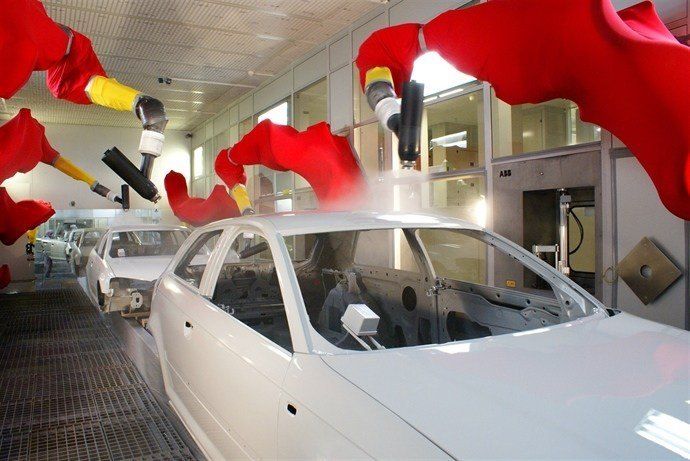
The development of automotive painting robots began as manufacturers looked for ways to improve paint quality and consistency while reducing human exposure to fumes and repetitive tasks. Manual painting can lead to variations in thickness, uneven finishes, and higher material waste. Robots were introduced to solve these challenges by delivering precise, repeatable movements and controlled spray patterns.
Over time, these systems have evolved to handle complex vehicle shapes, multiple paint layers, and strict environmental requirements. Today, automotive painting robots are a core part of modern vehicle production lines.
Importance: Why Automotive Painting Robots Matter Today
Automotive painting robots play a critical role in today’s manufacturing environment. As vehicle designs become more complex and production volumes increase, maintaining consistent paint quality is essential.
Key reasons this technology matters include:
-
Consistency and accuracy in paint thickness and surface coverage
-
Improved workplace safety by limiting human exposure to chemicals and airborne particles
-
Material efficiency, reducing paint overspray and waste
-
High productivity, supporting continuous and repeatable operations
This technology affects several groups:
-
Vehicle manufacturers seeking standardized finishes
-
Factory workers benefiting from safer environments
-
Environmental regulators monitoring emissions and waste
-
End consumers who expect durable and visually uniform vehicle finishes
By addressing quality control, safety concerns, and environmental challenges, automotive painting robots help manufacturers meet modern production and compliance demands.
Recent Updates: Developments and Trends in the Past Year
In the past year, automotive painting robots have seen notable technical and operational updates. Manufacturers have focused on improving precision, flexibility, and environmental performance.
Key developments include:
-
Advanced sensor integration, allowing robots to adjust spray patterns in real time based on surface shape
-
Improved software control, enabling faster reprogramming for new vehicle models
-
Energy-efficient paint application, reducing air and power usage inside paint booths
-
Higher compatibility with eco-friendly coatings, including low-emission and water-based paints
Recent months have also shown increased interest in compact robotic systems designed for flexible production lines. These systems support quicker changeovers and lower downtime, which is especially important in facilities producing multiple vehicle variants.
Laws and Policies: Regulatory Influence on Automotive Painting Robots
Automotive painting robots operate within a framework shaped by industrial safety, environmental protection, and labor regulations. These rules influence how paint shops are designed and how robotic systems are implemented.
Common regulatory areas include:
-
Emission control standards governing paint fumes and particulate release
-
Worker safety regulations that limit exposure to hazardous substances
-
Environmental compliance requirements related to waste paint disposal
-
Energy efficiency guidelines affecting industrial equipment usage
In many regions, governments encourage the use of automated systems that reduce environmental impact and improve workplace safety. While specific policies vary by country, the general regulatory direction supports automation that enhances control and reduces risks in paint operations.
Tools and Resources: Helpful Technologies and Industry Aids
A range of tools and resources support the design, operation, and understanding of automotive painting robots.
Commonly used resources include:
-
Robot programming software for defining paint paths and spray parameters
-
Paint thickness measurement tools to verify coating uniformity
-
Simulation platforms that model paint booth layouts and robot motion
-
Industrial safety guidelines for paint shop automation
-
Technical training materials focused on robotic paint systems
These tools help manufacturers optimize performance, maintain quality standards, and ensure compliance with operational requirements.
Key Components of Automotive Painting Robots
Automotive painting robots are built from several integrated components that work together during the painting process.
Main components include:
-
Robotic arm with multiple axes of movement
-
Paint spray gun or atomizer system
-
Control unit and motion controller
-
Sensors for position, speed, and surface detection
-
Enclosed paint booth environment
Each component contributes to accurate paint delivery and repeatable results.
Comparison Table: Manual Painting vs Robotic Painting
| Aspect | Manual Painting | Robotic Painting |
|---|---|---|
| Consistency | Varies by operator | Highly consistent |
| Paint waste | Higher overspray | Reduced overspray |
| Worker exposure | Direct exposure | Minimal exposure |
| Repeatability | Limited | High |
| Production speed | Moderate | High |
This comparison highlights why robotic painting systems are widely adopted in modern automotive factories.
Frequently Asked Questions About Automotive Painting Robots
What types of paint can automotive painting robots handle?
Automotive painting robots can apply primers, base coats, clear coats, and specialized coatings, including water-based and low-emission paints.
Do painting robots replace all human involvement in paint shops?
No. While robots handle spraying tasks, humans are still involved in system monitoring, maintenance, quality checks, and process planning.
How do robots ensure even paint coverage on complex shapes?
Robots use programmed motion paths combined with sensors and precise control systems to adjust spray angles and distances for uniform coverage.
Are automotive painting robots adaptable to new vehicle models?
Yes. Modern systems are designed to be reprogrammed, allowing manufacturers to adjust for new body shapes and design changes.
Do these robots help reduce environmental impact?
Yes. Controlled application reduces overspray, lowers emissions, and supports compliance with environmental standards.
Industrial Insights: How Automotive Painting Robots Improve Quality Control
Automotive painting robots contribute significantly to quality control by standardizing each stage of the coating process. Paint thickness, spray speed, and distance are controlled digitally, reducing variability across vehicles.
Quality benefits include:
-
Uniform surface appearance
-
Improved coating durability
-
Reduced rework and corrections
-
Better long-term corrosion protection
These improvements directly support manufacturing efficiency and product reliability.
Conclusion
Automotive painting robots have become an essential part of modern vehicle manufacturing. By combining precision engineering, advanced software, and controlled environments, they address long-standing challenges in paint quality, safety, and efficiency. Their growing role reflects broader industrial trends toward automation, environmental responsibility, and consistent production standards. As technology continues to advance, automotive painting robots are expected to remain central to high-quality vehicle finishing processes.

