Understanding Blow Moulding Machines: Overview, Key Components, Process Explanation, and Manufacturing Insights
Blow moulding machines play a major role in modern plastic manufacturing. They are widely used to produce hollow plastic products such as bottles, containers, storage tanks, and packaging materials. Industries such as food and beverage, pharmaceuticals, automotive, and household goods rely heavily on this manufacturing method because it allows consistent production of lightweight yet durable plastic items.
Blow moulding technology was developed to efficiently shape thermoplastic materials into hollow forms. The process involves heating plastic material, forming it into a tube-like structure called a parison, and then expanding it inside a mold using compressed air. This technique allows manufacturers to create uniform products with high accuracy and repeatability.
Understanding how blow moulding machines operate helps explain how many everyday plastic containers are produced. It also highlights the engineering behind modern plastic production systems, including temperature control, mold precision, and automated manufacturing processes.
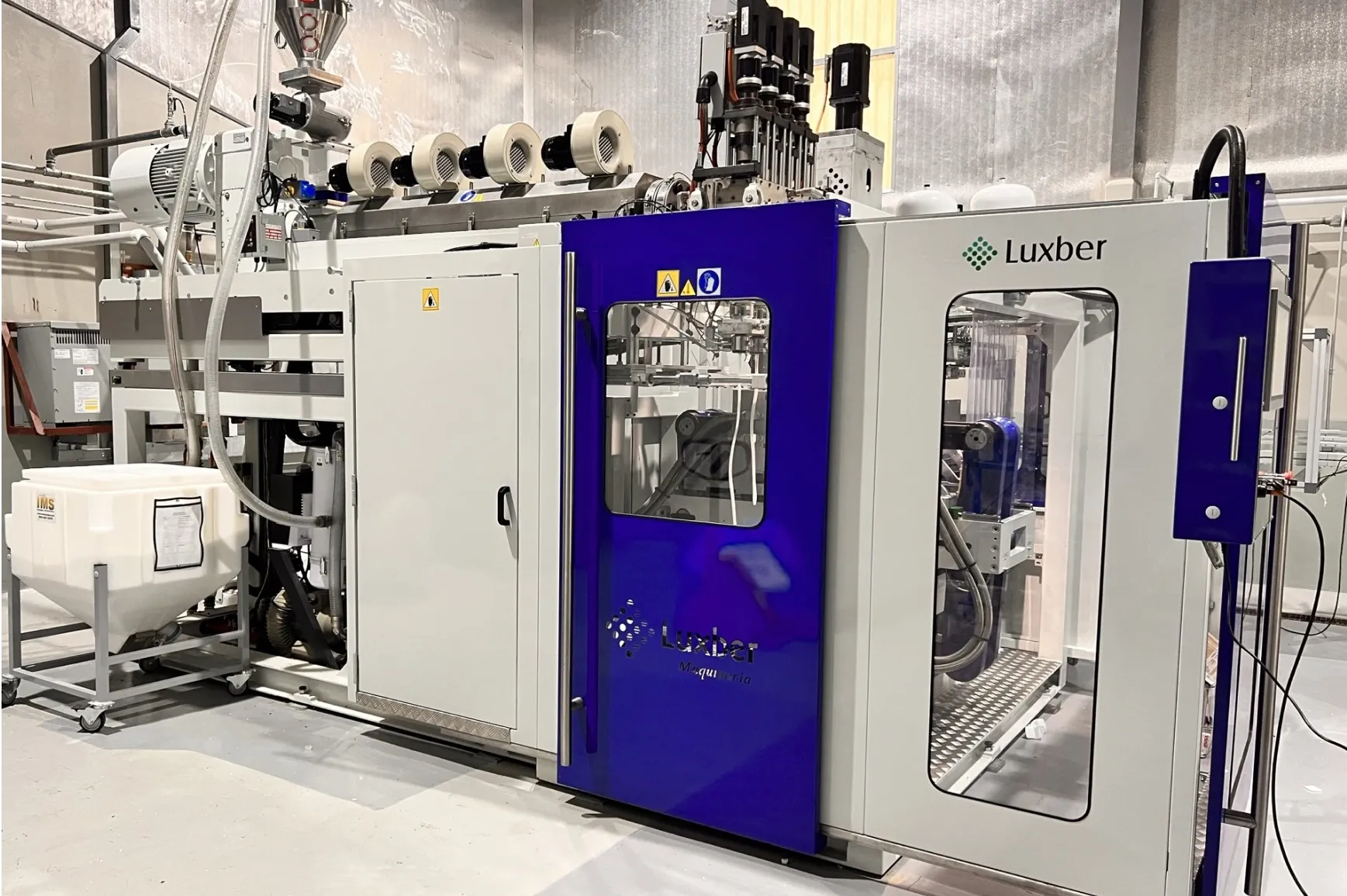
What Blow Moulding Machines Are and Why They Exist
Blow moulding machines are specialized industrial equipment designed to form hollow plastic objects. The concept is similar to glass blowing, where air pressure shapes molten material inside a mold. Instead of glass, blow moulding uses heated thermoplastic polymers such as polyethylene, polypropylene, and PET.
The development of blow moulding machines addressed a key manufacturing need: producing large quantities of hollow plastic containers quickly and consistently. Traditional manufacturing methods were inefficient for this type of product, so blow moulding technology emerged as a more scalable solution.
Common products created through blow moulding include:
- Plastic bottles and beverage containers
- Chemical storage containers
- Fuel tanks and automotive parts
- Household cleaning product bottles
- Industrial drums and packaging containers
Several blow moulding techniques are used depending on the product requirements.
| Blow Moulding Method | Key Feature | Typical Applications |
|---|---|---|
| Extrusion Blow Moulding | Plastic tube extruded then inflated | Containers, bottles |
| Injection Blow Moulding | Injection molded preform expanded | Medical bottles |
| Injection Stretch Blow Moulding | Stretching improves strength | Beverage bottles |
Each technique provides different advantages related to strength, material distribution, and production efficiency.
Why Blow Moulding Technology Matters Today
Blow moulding machines have become essential in global manufacturing due to the growing demand for lightweight packaging and durable plastic containers. Industries depend on these machines to produce standardized products at large scale while maintaining consistent quality.
One major advantage of blow moulding is material efficiency. The process allows manufacturers to distribute plastic evenly throughout the mold, reducing waste and improving product durability. This is particularly important in sectors that require strong yet lightweight packaging.
Several industries benefit from blow moulding technology:
- Food and Beverage Industry: beverage bottles, dairy containers, edible oil bottles
- Pharmaceutical Industry: sterile medical containers and packaging
- Automotive Industry: fuel tanks, air ducts, and fluid reservoirs
- Household Products: detergent bottles, storage containers
Blow moulding also supports mass production, which helps industries maintain supply chains for essential consumer goods.
The global shift toward efficient packaging solutions has further increased the importance of blow moulding machines. Many manufacturers are improving machine design to enhance productivity, reduce energy consumption, and optimize material usage.
Recent Developments and Industry Trends
Manufacturing technology continues to evolve, and blow moulding equipment has seen several innovations in recent times. Engineers and equipment manufacturers are focusing on automation, energy efficiency, and improved material control.
Recent developments include:
- Advanced automation systems that monitor pressure, temperature, and cycle times
- Energy-efficient heating systems designed to reduce power consumption
- Smart manufacturing integration with industrial monitoring platforms
- Improved mold cooling technologies that shorten production cycles
Digital monitoring systems are increasingly integrated into modern manufacturing environments. These systems track machine performance, material flow, and product consistency in real time.
Another emerging trend involves sustainable manufacturing practices. Manufacturers are experimenting with recycled plastic materials and lightweight bottle designs to reduce overall material consumption.
Process optimization is also a key focus. Machine operators and engineers analyze production data to identify areas where cycle time, material distribution, and energy efficiency can be improved.
Regulations and Policy Considerations
Plastic manufacturing, including blow moulding operations, is influenced by environmental regulations and industrial safety standards. Governments and regulatory authorities establish guidelines to manage plastic production, waste handling, and workplace safety.
Key policy areas affecting blow moulding operations include:
- Plastic waste management regulations
- Industrial manufacturing safety standards
- Environmental emission controls
- Packaging and recycling guidelines
Environmental regulations often require manufacturers to manage plastic waste responsibly and encourage recycling initiatives. These policies influence how blow moulding facilities handle raw materials, scrap plastics, and packaging waste.
Workplace safety standards also play an important role because blow moulding machines involve high temperatures, compressed air systems, and mechanical components. Safety regulations focus on machine guarding, operator training, and proper maintenance procedures.
In many regions, regulatory frameworks encourage sustainable plastic production methods and responsible waste management practices.
Key Components of Blow Moulding Machines
A blow moulding machine consists of several major components that work together to shape molten plastic into finished products. Each component performs a specific role during the manufacturing cycle.
The main components typically include:
- Extruder: melts and pushes plastic material into a tube shape
- Parison Formation System: forms the molten plastic tube
- Mold System: shapes the final product
- Air Injection System: expands the plastic inside the mold
- Cooling System: solidifies the plastic into its final structure
- Control Panel: manages machine settings and operation parameters
The coordination of these components determines product quality and production efficiency.
A simplified process flow is illustrated below.
| Production Stage | Description |
|---|---|
| Plastic Melting | Thermoplastic material heated inside extruder |
| Parison Formation | Tube-shaped plastic formed |
| Mold Closing | Mold surrounds the parison |
| Air Injection | Compressed air inflates plastic |
| Cooling | Mold cools product until solid |
| Product Release | Mold opens and container is removed |
Each stage must be carefully controlled to ensure uniform thickness and structural integrity.
Tools and Resources for Understanding Blow Moulding Technology
Professionals, students, and researchers often rely on various tools and educational resources to understand blow moulding processes and manufacturing efficiency.
Helpful resources may include:
- Plastic processing simulation software for studying material flow
- Engineering calculators for mold design and pressure analysis
- Industrial automation platforms used to monitor manufacturing systems
- Manufacturing process training materials used in technical education
- Material property databases for thermoplastic polymers
Engineers frequently use modeling tools to simulate how plastic materials behave during heating, extrusion, and expansion. These tools help optimize mold design and production parameters.
Educational resources from manufacturing institutes and polymer engineering programs also provide technical insights into blow moulding technology.
Frequently Asked Questions
What is the basic principle of blow moulding?
Blow moulding works by inflating heated plastic inside a mold using compressed air. The plastic expands and takes the shape of the mold cavity, creating a hollow object.
What materials are commonly used in blow moulding?
Common thermoplastic materials include polyethylene, polypropylene, PET, and PVC. These materials are chosen for their flexibility, durability, and molding characteristics.
How is blow moulding different from injection molding?
Injection molding typically produces solid plastic parts, while blow moulding is specifically designed for hollow objects such as bottles and containers.
Why is blow moulding widely used in packaging industries?
The process enables efficient production of lightweight containers with consistent shape and strength, making it ideal for packaging liquids and consumer goods.
What factors affect product quality in blow moulding?
Important factors include temperature control, mold design, air pressure, cooling time, and material consistency.
Conclusion
Blow moulding machines represent an important advancement in plastic manufacturing technology. By enabling the efficient production of hollow plastic containers, these machines support industries ranging from food packaging to automotive manufacturing.
The process relies on precise coordination between heating systems, mold design, compressed air injection, and cooling mechanisms. Advances in automation and process monitoring continue to improve production efficiency and product consistency.
As manufacturing technology evolves, blow moulding equipment is increasingly integrated with digital monitoring systems and energy-efficient designs. These improvements help manufacturers optimize production while addressing environmental considerations and regulatory requirements.
Understanding how blow moulding machines work provides valuable insight into modern manufacturing processes and the technology behind everyday plastic product.