Understanding Cold Chain Transport: A Guide to Explanation, Knowledge, and Practical Details
Cold chain transport refers to the controlled movement of temperature-sensitive goods across different stages of storage and distribution. It is designed to maintain specific temperature ranges from the point of origin to the final destination. This system exists to preserve product integrity, safety, and usability when environmental conditions could otherwise cause deterioration.
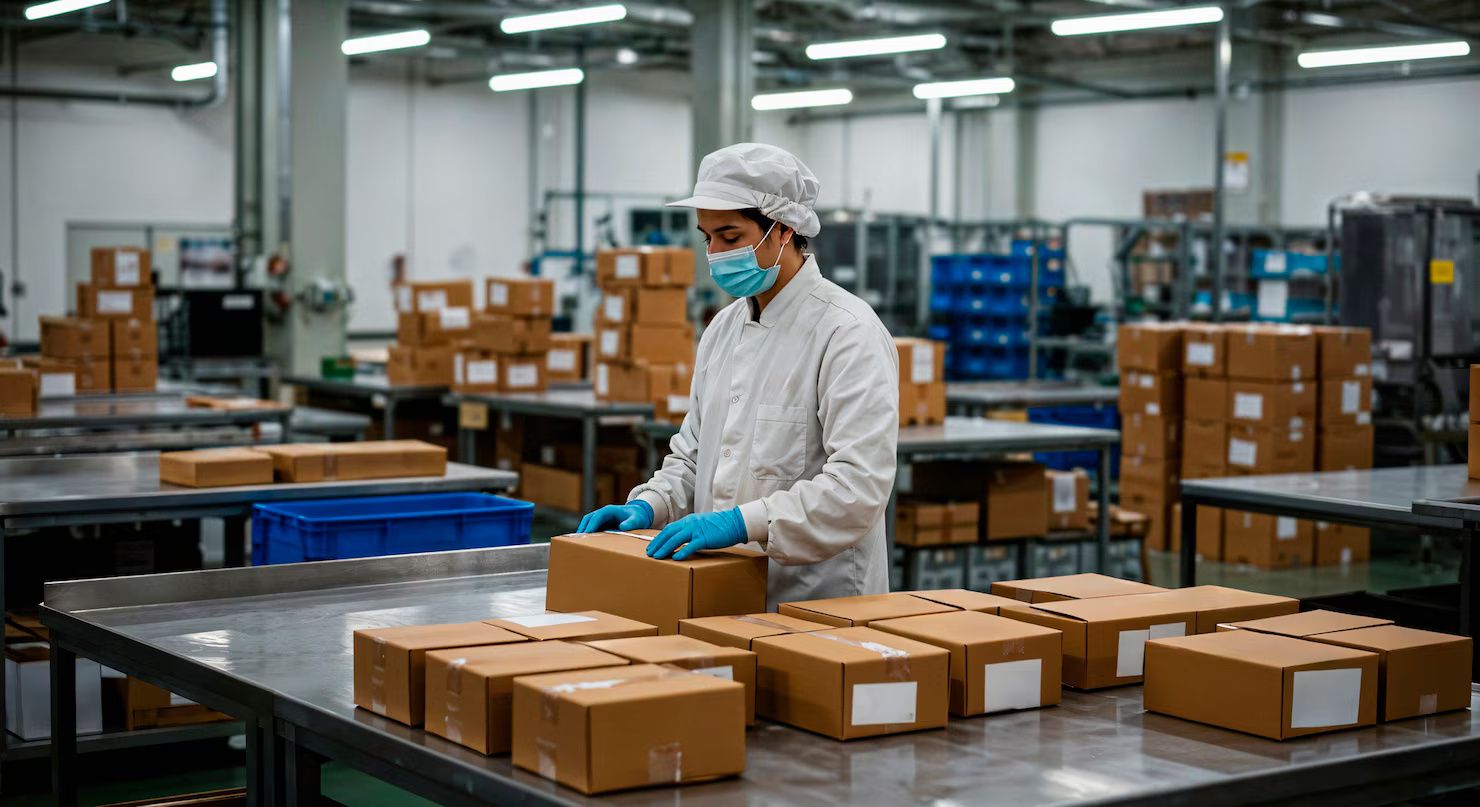
The concept of cold chain transport developed alongside advancements in refrigeration technology and global trade. As food, pharmaceuticals, biological materials, and specialty chemicals began moving over longer distances, traditional transport methods proved insufficient. Exposure to heat, humidity, or temperature fluctuations often led to spoilage, reduced effectiveness, or complete loss of products.
Cold chain transport systems rely on a combination of refrigerated vehicles, insulated containers, temperature monitoring devices, and standardized handling procedures. These elements work together to ensure that goods remain within approved temperature thresholds throughout transit. The system is not limited to transportation alone but forms part of a broader temperature-controlled supply chain that includes storage, handling, and documentation.
Importance: Why Cold Chain Transport Matters Today
Cold chain transport is essential in today’s interconnected economy because it directly affects product quality, public health, and supply reliability. It plays a critical role in sectors where temperature deviation can result in safety risks or financial loss.
This topic matters for several reasons:
-
Food safety and quality preservation for perishable items
-
Pharmaceutical stability, including vaccines and biologics
-
Reduction of waste caused by temperature damage
-
Support for global trade of sensitive goods
Cold chain systems affect farmers, manufacturers, logistics planners, healthcare providers, and regulatory authorities. For consumers, these systems help ensure that food products remain safe and effective when they reach retail environments. In healthcare, reliable cold chain transport is essential for maintaining the efficacy of temperature-sensitive medicines.
From an economic perspective, cold chain transport improves supply chain resilience. Temperature excursions can lead to rejected shipments, compliance issues, and inventory losses. By maintaining controlled conditions, organizations improve predictability and reduce operational disruptions.
Recent Updates and Industry Developments
Over the past year, cold chain transport has seen measurable changes driven by technology adoption, regulatory focus, and infrastructure expansion. Between January 2025 and December 2025, several developments stood out.
In February 2025, increased adoption of real-time temperature monitoring devices was observed across transport fleets. These devices provide continuous data logging, allowing faster response to deviations.
By June 2025, there was broader discussion around sustainable refrigeration systems. Transport operators began exploring low-emission cooling technologies to align with environmental objectives.
In October 2025, digital documentation gained prominence. Electronic proof-of-condition records and automated compliance logs became more common, improving traceability and audit readiness.
The table below summarizes these updates:
| Development Area | Update Observed (2025) | Practical Outcome |
|---|---|---|
| Temperature monitoring | Real-time data logging | Faster corrective action |
| Sustainability | Low-impact cooling methods | Reduced environmental load |
| Documentation | Digital compliance records | Improved traceability |
| Packaging | Advanced insulated materials | Better temperature retention |
These changes indicate a shift toward data-driven and environmentally conscious cold chain operations.
Laws, Policies, and Regulatory Framework in India
In India, cold chain transport is governed by a combination of food safety laws, pharmaceutical regulations, and logistics standards. These frameworks aim to protect public health and ensure product quality.
The Food Safety and Standards Authority of India (FSSAI) provides guidelines on temperature control for perishable food items. These guidelines influence transport conditions for dairy, meat, seafood, and processed foods, emphasizing hygiene and temperature maintenance.
For pharmaceuticals, the Central Drugs Standard Control Organization (CDSCO) outlines requirements for storage and transport of temperature-sensitive medicines. Compliance with Good Distribution Practices (GDP) is central to cold chain transport in healthcare logistics.
Infrastructure development is supported by government initiatives under the National Cold Chain Development Programme, which encourages integrated cold storage and transport systems. While this program focuses on capacity building, it indirectly shapes transport practices by promoting standardized temperature management.
Together, these policies ensure that cold chain transport aligns with safety, quality, and accountability requirements without prescribing specific commercial arrangements.
Tools and Resources Used in Cold Chain Transport
Cold chain transport relies on specialized tools and informational resources to maintain consistency and control. These tools focus on monitoring, planning, and compliance rather than transactions.
Key categories of tools include:
-
Temperature data loggers for continuous monitoring
-
Route planning software optimized for refrigerated transport
-
Cold chain risk assessment templates
-
Standard operating procedure (SOP) manuals
-
Compliance reference frameworks
The following table outlines common resources and their purpose:
| Tool or Resource Type | Function |
|---|---|
| Digital temperature trackers | Monitor transit conditions |
| Insulated packaging guides | Improve thermal stability |
| Compliance checklists | Support regulatory alignment |
| Training reference documents | Standardize handling practices |
| Cold chain calculators | Estimate temperature retention |
These resources help stakeholders understand risks, document conditions, and improve consistency across transport stages.
Key Components Explained in Practical Terms
Cold chain transport systems consist of several interconnected components, each contributing to temperature stability.
Temperature-controlled vehicles
Refrigerated trucks and containers are equipped with cooling units designed to maintain defined temperature ranges. These vehicles are calibrated based on cargo requirements.
Packaging and insulation
Insulated containers, phase-change materials, and thermal liners help buffer goods from external temperature fluctuations during loading and unloading.
Monitoring and data recording
Sensors record temperature data throughout the journey. This information supports quality assurance and regulatory reporting.
Handling protocols
Standardized loading, unloading, and transfer procedures reduce exposure risks during transit transitions.
Together, these components form a continuous system rather than isolated steps.
Cold Chain Transport Temperature Ranges
Different products require different temperature conditions. The table below provides general reference ranges:
| Product Category | Typical Temperature Range |
|---|---|
| Fresh produce | 2°C to 8°C |
| Frozen foods | -18°C or lower |
| Pharmaceuticals | 2°C to 8°C (varies by product) |
| Biologics and vaccines | -20°C to -70°C (specific cases) |
| Specialty chemicals | Defined per material data |
Maintaining these ranges consistently is central to cold chain effectiveness.
Frequently Asked Questions
What makes cold chain transport different from standard logistics?
Cold chain transport focuses on maintaining controlled temperatures throughout transit, while standard logistics does not manage thermal conditions.
Why is temperature monitoring important during transport?
Continuous monitoring helps identify deviations early and supports documentation for quality and compliance purposes.
Can cold chain transport reduce product waste?
Yes. By maintaining proper conditions, it minimizes spoilage and damage caused by temperature exposure.
Is cold chain transport only used for food items?
No. It is also essential for pharmaceuticals, biological materials, and certain industrial products.
How do regulations affect cold chain operations?
Regulations define acceptable temperature ranges, documentation practices, and handling standards to ensure safety and accountability.
Conclusion
Cold chain transport is a foundational element of modern supply chains that handle temperature-sensitive goods. By combining controlled vehicles, specialized packaging, monitoring tools, and regulatory alignment, it preserves product quality and safety across long distances.
Recent developments highlight increased use of real-time data, digital documentation, and sustainable cooling methods. In India, food safety and pharmaceutical regulations continue to shape how cold chain transport systems operate.
Understanding the principles, tools, and regulatory context of cold chain transport enables better planning and risk awareness. As global trade and healthcare distribution expand, cold chain transport remains a critical mechanism for reliable and responsible logistics.

