Understanding Fuel Storage: Key Facts, Safety Tips, and Expert Advice
Fuel storage is a vital component in many sectors, from residential energy backup to industrial operations and agricultural practices. Whether you're managing diesel for a generator or storing gasoline for business use, understanding how fuel storage works and how to do it safely is essential.
This article explores the basics of fuel storage, its growing importance in today’s world, recent developments, legal considerations, and helpful resources for individuals and businesses alike.
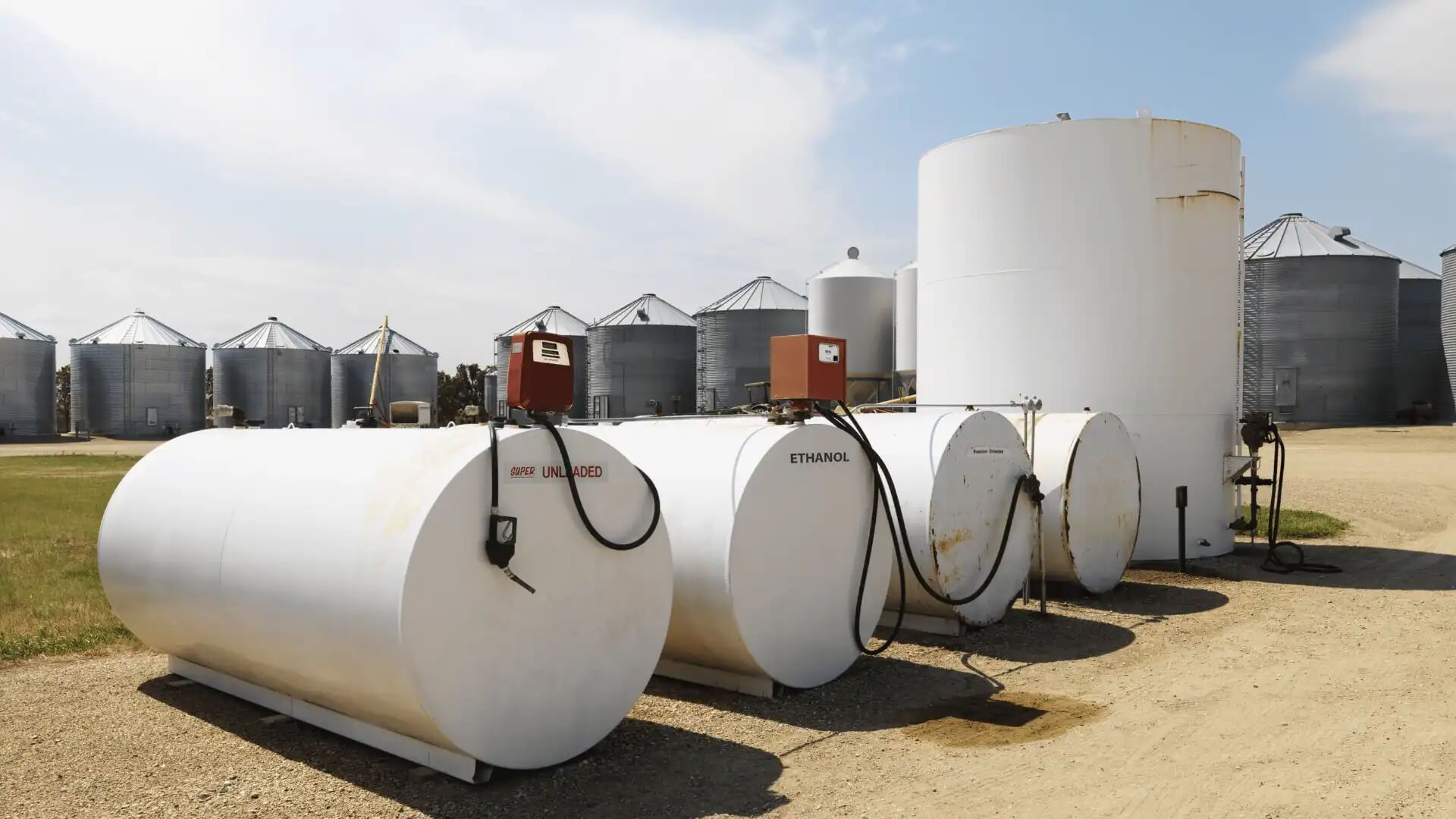
What is Fuel Storage and Why It Exists
Fuel storage refers to the containment of flammable liquids such as gasoline, diesel, propane, and other petroleum-based fuels in tanks or containers for later use. It is common in industries like transportation, construction, energy, agriculture, and even in residential settings where backup power is necessary.
These systems are designed to ensure an uninterrupted supply of fuel, protect the environment, and reduce fire hazards. Depending on the application, storage tanks may be located above ground (ASTs) or underground (USTs).
Common fuel types stored include:
-
Diesel fuel – used in generators, trucks, machinery
-
Gasoline – common in vehicles and small equipment
-
Propane – used for heating and cooking
-
Jet fuel – stored at airports and by military services
-
Biofuels – increasingly popular for sustainable energy
Why Fuel Storage Matters Today
The importance of fuel storage has grown in response to increased energy demand, climate change, emergency preparedness, and fuel price volatility. Here’s why it matters now more than ever:
-
Emergency Readiness: Hospitals, data centers, and businesses rely on stored fuel to power generators during blackouts.
-
Energy Security: Farms, construction sites, and remote locations need reliable fuel supplies to stay operational.
-
Disaster Recovery: In disaster-prone regions, fuel storage supports quicker recovery and rescue efforts.
-
Cost Control: Bulk fuel storage can reduce reliance on retail prices and improve budget control.
-
Environmental Safety: Modern fuel storage methods are designed to reduce leakage, soil contamination, and fire risk.
Who it affects:
-
Homeowners with backup generators
-
Farmers and agricultural operators
-
Transport companies with fleet fueling systems
-
Gas station owners
-
Emergency service providers
-
Industrial facility managers
Recent Updates and Trends
The fuel storage landscape is evolving due to stricter regulations, a shift toward cleaner fuels, and advances in technology.
Key updates from the past year include:
| Date | Update |
|---|---|
| Jan 2024 | UL revised its fire safety guidelines for diesel storage tanks |
| April 2024 | Global oil price fluctuations spurred more demand for on-site storage |
| Aug 2024 | U.S. EPA introduced stricter leak detection rules for underground tanks |
| March 2025 | Solar hybrid systems are reducing overall diesel storage volume in India |
-
Increased use of double-walled tanks for added protection against leaks
-
Rise of smart tank monitoring systems using IoT for real-time level and leak detection
-
Greater adoption of biofuel and blended fuel storage to meet sustainability goals
-
Decentralized storage growth in rural and off-grid areas
-
Improved training and awareness for fuel handling in small businesses
Laws and Policies Around Fuel Storage
Fuel storage is tightly regulated due to its environmental and safety risks. Policies vary by country but generally include rules for design, installation, inspection, and reporting.
Common Global Guidelines:
-
EPA (USA): Requires underground storage tanks (USTs) to have leak detection systems and be registered. Aboveground tanks above certain capacities must comply with SPCC (Spill Prevention, Control, and Countermeasure) regulations.
-
EU: EN 12285 standards cover the construction and testing of steel tanks for fuels.
-
India: Governed by the Petroleum Rules, 2002 under the Petroleum Act, 1934; licensing and safety compliance through PESO (Petroleum and Explosives Safety Organisation).
-
Canada: Uses the CSA-B139 and National Fire Code to regulate tank installation and fuel storage capacity.
Key Policy Highlights:
| Region | Policy Requirement |
|---|---|
| United States | Monthly inspections, corrosion protection, leak monitoring |
| European Union | CE marking, bunded tanks, site drainage control |
| India | Mandatory PESO licensing, venting, firefighting equipment |
| Australia | Tanks must comply with AS1940 for flammable liquids |
Tools and Resources for Safer and Smarter Fuel Storage
Numerous tools and platforms are available to help both individuals and businesses manage fuel storage efficiently and safely.
Recommended Tools and Apps:
-
Tank Utility – Remote tank level monitoring via mobile app
-
Veeder-Root TLS4 – Fuel management system for real-time alerts and diagnostics
-
FuelCloud – Cloud-based fuel inventory and reporting
-
EPA Fuel Storage Tank Wizard – U.S. online tool to check compliance
-
Petrotrac – Software for fuel delivery and tracking in commercial setups
Templates and Calculators:
-
Fuel Consumption Calculator – Helps estimate daily or monthly usage
-
SPCC Plan Template – For facilities in the U.S. needing spill plans
-
Tank Size Estimator – Provided by many fuel tank manufacturers for capacity planning
Websites for Compliance and Safety Info:
Frequently Asked Questions (FAQs)
1. How long can fuel be stored safely?
Fuel shelf life depends on the type. Diesel lasts 6–12 months without stabilizers, while gasoline begins degrading in 3–6 months. Using additives can extend life up to 2 years.
2. Is it legal to store fuel at home?
Yes, in small quantities and with safety measures. Most countries allow limited fuel storage in approved containers (usually up to 25 liters) for personal use. Local regulations should always be checked.
3. What are the most common causes of fuel storage tank failure?
Corrosion, poor maintenance, improper installation, and overfilling are major causes. Regular inspections and use of corrosion-resistant materials can prevent failures.
4. What’s the difference between aboveground and underground storage tanks?
Aboveground tanks are easier to inspect and maintain but may be more vulnerable to environmental exposure. Underground tanks save space and protect fuel from temperature changes but require more stringent leak monitoring.
5. Can stored fuel catch fire or explode?
Yes. Fuel is highly flammable, and improper storage can lead to fire or explosion. Using sealed, approved containers, grounding tanks, and keeping them away from ignition sources is critical.
Final Thoughts
Understanding fuel storage is essential for safety, efficiency, and regulatory compliance. Whether you're a homeowner with a generator or a business managing bulk fuel supplies, keeping up with best practices and legal requirements is key. As fuel technologies evolve and environmental standards tighten, so too must our approach to storage systems.
With the right tools, knowledge, and adherence to safety protocols, fuel storage can be managed effectively reducing risk and supporting uninterrupted operations.