Understanding Graphic Design: Core Concepts, Visual Elements, and Uses
Graphic design is the practice of creating visual content to communicate information, ideas, and messages clearly and effectively. It combines creativity, visual thinking, and structured design principles to present information in a way that is easy to understand and visually engaging. Graphic design is used across digital and print environments, including websites, mobile interfaces, publications, signage, and educational materials.
The field exists because visual communication plays a crucial role in how people interpret information. Well-designed visuals help organize content, guide attention, and improve comprehension. As communication increasingly relies on digital platforms, graphic design has become an essential part of modern information sharing.
What Graphic Design Is and Why It Exists
Graphic design exists to translate ideas and information into visual form. Humans process visual information faster than text alone, making design a powerful tool for communication. Graphic design applies structure, balance, and consistency to visual elements so messages can be understood quickly and accurately.
The discipline brings together art and communication. Designers use visual systems to explain complex ideas, create identity, and support usability. Whether in educational content, digital interfaces, or informational materials, graphic design helps reduce confusion and improve clarity.
Core purposes of graphic design include:
-
Organizing information visually
-
Enhancing readability and understanding
-
Guiding user attention
-
Supporting brand and identity consistency
-
Improving user experience in digital and physical spaces
Through these purposes, graphic design supports effective communication across industries.
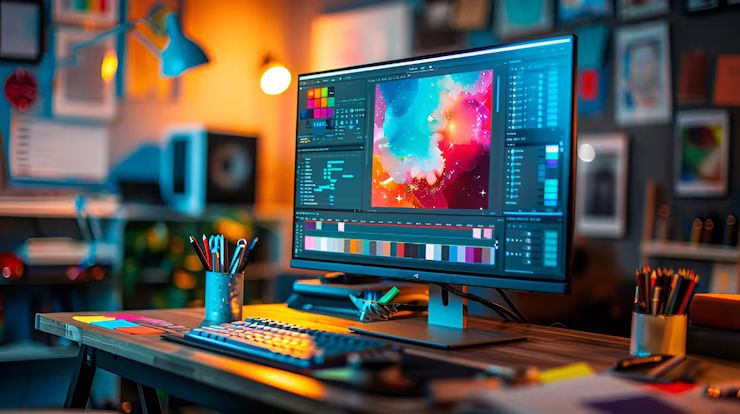
Why Graphic Design Matters Today
Graphic design is especially important today because information is shared at high volume and speed. Users are exposed to large amounts of content across websites, applications, and digital platforms. Clear and thoughtful design helps users process this information efficiently.
Graphic design matters because it contributes to:
-
Clear communication of complex ideas
-
Improved accessibility and usability
-
Consistent visual identity across platforms
-
Better engagement with digital content
-
Reduced cognitive overload for users
Industries where graphic design plays a key role include:
-
Education and learning platforms
-
Media and publishing
-
Technology and software interfaces
-
Healthcare communication
-
Public information and government communication
By structuring visual content effectively, graphic design improves understanding and trust.
Recent Trends and Updates in Graphic Design
Over the past year, graphic design has continued to evolve in response to technology changes and user expectations. In 2025, several trends influenced design practices across digital and print environments.
Key developments include:
-
January 2025: Increased focus on accessibility-first design, including color contrast and readable typography
-
April 2025: Wider use of responsive design systems for multi-device experiences
-
July 2025: Growth in data visualization for presenting complex information clearly
-
October 2025: Emphasis on minimalist layouts to reduce visual clutter
Another important trend is the use of design systems. Organizations are adopting standardized visual components to maintain consistency across products and platforms.
There has also been increased attention to ethical design, encouraging transparency and user-centered decision-making in visual communication.
Laws, Policies, and Guidelines Influencing Graphic Design
Graphic design is influenced by legal and policy frameworks related to intellectual property, accessibility, and digital communication standards.
Key areas include:
-
Copyright and intellectual property laws
These protect original visual works, including illustrations, layouts, and typographic designs. -
Accessibility guidelines
Standards that promote inclusive design for users with visual, cognitive, or physical impairments. -
Digital content and advertising guidelines
Rules that require clarity, accuracy, and transparency in visual communication. -
Data and privacy considerations
Design choices related to user interfaces must respect data usage and consent requirements.
In India and other regions, accessibility standards and digital communication policies increasingly influence how graphic content is designed and presented.
Core Concepts in Graphic Design
Graphic design is built on foundational concepts that guide how visuals are structured and interpreted.
| Concept | Description | Purpose |
|---|---|---|
| Balance | Visual weight distribution | Stability |
| Contrast | Differences in color or size | Emphasis |
| Alignment | Visual order and structure | Clarity |
| Hierarchy | Importance of elements | Readability |
| Consistency | Repeated visual patterns | Recognition |
These concepts help designers create visuals that are both functional and aesthetically coherent.
Key Visual Elements Used in Graphic Design
Graphic design relies on specific visual elements that work together to convey meaning.
-
Typography
The selection and arrangement of type to improve readability and tone. -
Color
Used to convey mood, highlight information, and guide attention. -
Images and illustrations
Support storytelling and visual explanation. -
Shapes and lines
Help structure layouts and separate content. -
Space
Improves clarity by preventing overcrowding.
Understanding how these elements interact is essential to effective design.
Common Uses of Graphic Design
Graphic design is applied across many communication contexts.
| Area | Application | Objective |
|---|---|---|
| Digital media | Websites, apps | User experience |
| Print media | Books, reports | Information clarity |
| Education | Learning materials | Knowledge transfer |
| Public communication | Signage, notices | Guidance |
| Data presentation | Charts, infographics | Understanding |
These uses demonstrate how design supports both function and communication.
Tools and Resources Used in Graphic Design
Graphic designers use a variety of tools to plan, create, and refine visual content.
Common categories include:
-
Design and layout tools
-
Vector and raster design applications
-
Page layout software
-
-
Typography resources
-
Font libraries
-
Typeface reference guides
-
-
Color and accessibility tools
-
Contrast checkers
-
Color palette generators
-
-
Prototyping and collaboration tools
-
Wireframing platforms
-
Design system documentation tools
-
These resources support accuracy, consistency, and accessibility in design work.
Frequently Asked Questions
What is graphic design used for?
Graphic design is used to communicate information visually through structured layouts, images, and typography.
Is graphic design only about visual appearance?
No. It also focuses on clarity, usability, and effective communication.
How does graphic design support accessibility?
Through readable typography, sufficient color contrast, and clear visual hierarchy.
What skills are important in graphic design?
Visual thinking, attention to detail, understanding of design principles, and communication skills.
Does graphic design apply to non-digital formats?
Yes. It is used in both digital and print environments.
Challenges in Graphic Design
Graphic design involves challenges such as:
-
Balancing creativity with clarity
-
Designing for diverse audiences
-
Maintaining consistency across platforms
-
Adapting to changing screen sizes and formats
-
Meeting accessibility requirements
Addressing these challenges requires thoughtful planning and testing.
Graphic Design and User Experience
Graphic design closely supports user experience by:
-
Improving navigation clarity
-
Reducing visual confusion
-
Guiding user actions
-
Supporting intuitive interaction
Well-designed visuals help users achieve their goals more efficiently.
Future Outlook for Graphic Design
Graphic design continues to evolve with technology and communication needs. Future developments are expected to include:
-
Greater use of data-driven design decisions
-
Increased focus on inclusive and accessible design
-
Stronger integration with user experience research
-
Expanded role of visual storytelling
These changes aim to improve how information is communicated visually.
Conclusion
Graphic design is a fundamental discipline that shapes how information is presented and understood. It exists to transform ideas into clear, structured, and visually accessible communication. Core concepts and visual elements guide designers in creating effective layouts that support comprehension and usability.
Recent trends emphasize accessibility, consistency, and simplicity, while laws and guidelines influence responsible design practices. By understanding graphic design and its uses, readers gain insight into how visual communication supports education, technology, and everyday information sharing.