Understanding Home Brewing Equipment: Explanation, Key Components, and Essential Brewing Details
Home brewing equipment refers to the collection of tools and vessels used to prepare fermented beverages in a controlled home environment. This equipment exists to allow individuals to manage each stage of the brewing process, from ingredient preparation to fermentation and storage, with consistency and safety.
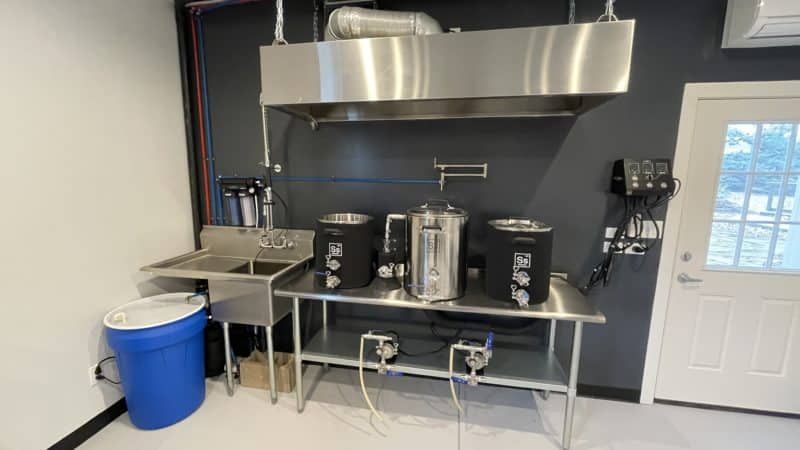
Brewing at home developed as a response to the need for greater control over ingredients, flavor profiles, and brewing methods. Over time, specialized equipment emerged to simplify complex steps such as temperature control, sanitation, and fermentation monitoring. Modern home brewing equipment reflects both traditional brewing knowledge and advancements in materials and measurement accuracy.
At its core, home brewing equipment supports learning, experimentation, and quality control. It helps users follow standardized brewing practices while adapting recipes to personal preferences.
Importance: Why Home Brewing Equipment Matters Today
Home brewing equipment matters because it enables accurate, repeatable brewing while reducing contamination risks. As interest in food science, fermentation, and self-guided learning grows, more people seek structured tools rather than improvised setups.
This topic affects a wide audience, including hobbyists, culinary learners, and individuals interested in fermentation science. Proper equipment solves several challenges:
-
Maintaining stable temperatures during fermentation
-
Preventing unwanted microbial contamination
-
Measuring alcohol potential and fermentation progress
-
Improving consistency between batches
Without appropriate brewing equipment, outcomes become unpredictable. Equipment standardization supports better understanding of fermentation principles, ingredient behavior, and process timing. It also reduces waste by minimizing failed batches caused by poor control or inaccurate measurements.
Recent Updates: Trends and Developments in Home Brewing Equipment
Recent developments in home brewing equipment focus on precision, safety, and ease of monitoring. Over the past several months, manufacturers and educators have emphasized:
-
Improved digital temperature controllers for fermentation stability
-
Expanded use of stainless steel over plastic for durability and sanitation
-
Compact all-in-one brewing systems designed for limited space
-
Wider adoption of fermentation tracking tools using sensors
Educational content has also shifted toward process transparency. Equipment guides increasingly explain why each component matters, not just how to use it. This reflects a broader trend toward knowledge-driven brewing rather than trial-and-error methods.
Another notable change is the emphasis on hygiene tools. Sanitization equipment is now treated as essential rather than optional, reflecting stronger awareness of microbial control in fermentation environments.
Laws or Policies Affecting Home Brewing Equipment
Home brewing equipment is influenced by national and regional regulations related to food safety, alcohol production limits, and household usage standards. In many countries, brewing for personal use is allowed within defined volume limits, while commercial distribution requires licensing.
Key regulatory considerations include:
-
Restrictions on production volume for non-commercial use
-
Safety standards for pressure-rated fermentation vessels
-
Guidelines on alcohol content measurement accuracy
-
Packaging and storage rules for fermented beverages
Some governments also issue public health guidance on safe fermentation practices, focusing on sanitation and ingredient handling. While equipment itself is generally unrestricted, improper use or exceeding legal limits can create compliance issues.
Understanding local regulations helps users select appropriate equipment sizes and avoid unsafe brewing conditions.
Key Components of Home Brewing Equipment
Brewing Vessels and Containers
Brewing vessels hold ingredients during mixing, boiling, and fermentation. Material choice affects durability and sanitation.
| Vessel Type | Purpose | Common Materials |
|---|---|---|
| Brew kettle | Heating and mixing ingredients | Stainless steel |
| Fermentation vessel | Controlled fermentation | Glass, plastic, steel |
| Conditioning container | Maturation and storage | Glass, steel |
Temperature Control Tools
Temperature stability directly affects yeast activity and flavor development.
-
Thermometers for real-time monitoring
-
Insulated fermentation wraps
-
Temperature-regulated fermentation chambers
Consistent temperature control reduces fermentation stress and improves repeatability.
Measurement and Monitoring Tools
Accurate measurement tools support brewing consistency and learning.
| Tool | Function |
|---|---|
| Hydrometer | Measures fermentation progress |
| Refractometer | Estimates sugar concentration |
| Measuring cylinders | Ensures precise volumes |
These tools help track brewing variables and understand fermentation stages.
Sanitization and Hygiene Equipment
Sanitation prevents spoilage and unsafe fermentation outcomes.
-
Cleaning brushes for vessels
-
Rinsing containers
-
Drying racks for air-drying equipment
Hygiene tools are now considered core components rather than accessories.
Transfer and Handling Equipment
Moving liquids safely between vessels reduces oxygen exposure and contamination.
-
Tubing for controlled transfer
-
Siphons for gentle liquid movement
-
Funnels for accurate pouring
Proper handling equipment protects brewing quality during transitions.
Tools and Resources for Learning and Brewing Knowledge
Educational and technical resources support better use of brewing equipment.
Commonly used tools and resources include:
-
Brewing calculators for gravity and fermentation estimates
-
Recipe formulation templates for batch planning
-
Ingredient ratio charts for consistency
-
Brewing logs for recording outcomes
Knowledge-focused resources often cover:
-
Fermentation science fundamentals
-
Equipment maintenance practices
-
Process troubleshooting guides
These resources help transform equipment usage into structured learning rather than guesswork.
Visual Overview of Brewing Equipment Interaction
| Brewing Stage | Equipment Involved | Key Outcome |
|---|---|---|
| Preparation | Brew kettle, thermometer | Proper ingredient mixing |
| Fermentation | Fermenter, airlock | Controlled yeast activity |
| Monitoring | Hydrometer, logs | Process tracking |
| Storage | Conditioning vessel | Flavor stabilization |
This workflow highlights how each tool supports a specific brewing phase.
Frequently Asked Questions About Home Brewing Equipment
What is the most essential piece of home brewing equipment?
A fermentation vessel is essential because it supports controlled fermentation, which determines safety, alcohol development, and flavor stability.
Why is temperature control important during brewing?
Temperature affects yeast performance. Poor control can lead to stalled fermentation or unwanted flavors.
How often should brewing equipment be sanitized?
Equipment should be sanitized before and after each brewing session to prevent microbial contamination.
Can the same equipment be used for different beverage styles?
Yes, most equipment is adaptable across styles when properly cleaned and used within recommended parameters.
Does equipment material affect brewing outcomes?
Yes, materials influence heat retention, sanitation, and durability, which indirectly affect brewing consistency.
Conclusion: Understanding Equipment as the Foundation of Home Brewing
Home brewing equipment provides the structure needed to transform raw ingredients into fermented beverages safely and consistently. Each component plays a defined role, from temperature control to sanitation and measurement accuracy.
Understanding how and why equipment functions allows users to move beyond trial-based brewing and toward informed, repeatable processes. As brewing knowledge evolves, equipment design continues to reflect a balance between traditional methods and modern precision.

