Understanding Industrial Machine Systems: Explanation, Details, and Helpful Resources
Industrial machine systems are integrated mechanical, electrical, and digital components designed to perform manufacturing, processing, packaging, and material-handling tasks in industrial environments. These systems combine hardware such as motors, conveyors, sensors, robotics, and control panels with software platforms like programmable logic controllers (PLC) and industrial automation software.
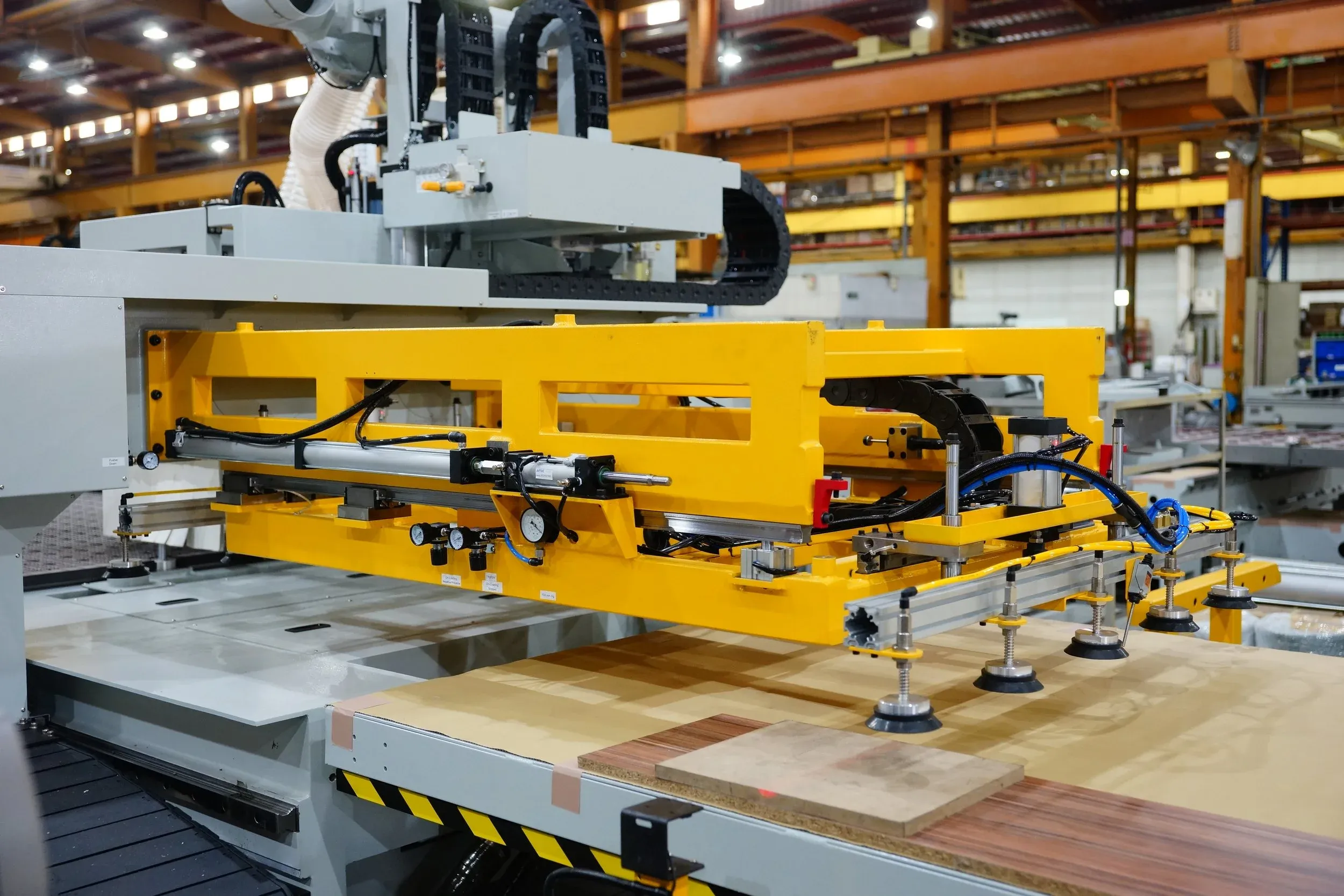
They exist to improve productivity, accuracy, safety, and operational efficiency. From automotive assembly lines to food processing plants and renewable energy facilities, industrial machinery enables large-scale production while maintaining consistent quality.
Industrial systems evolved from simple mechanical devices into complex, data-driven ecosystems. Today’s machinery often integrates:
-
Industrial automation systems
-
Energy-efficient motor drives
-
Predictive maintenance software
-
Industrial IoT (Internet of Things) platforms
-
Machine safety systems
These integrated systems allow manufacturers to monitor performance, optimize energy consumption, and reduce downtime.
Why Industrial Machine Systems Matter Today
Industrial machinery plays a foundational role in global infrastructure and economic stability. Nearly every manufactured product depends on automated production lines and heavy equipment systems.
The importance of industrial machine systems can be understood in several ways:
Productivity and Efficiency
Advanced manufacturing equipment increases output while maintaining precision. Automated systems minimize human error and reduce material waste.
Workplace Safety
Machine safety compliance and integrated sensors help prevent accidents. Guarding systems and emergency stop mechanisms reduce operational risks.
Energy Efficiency and Sustainability
Energy management systems and high-efficiency motors reduce electricity consumption. This supports sustainability goals and lowers environmental impact.
Digital Transformation
Industries increasingly rely on smart factory solutions and industrial data analytics. Real-time monitoring improves predictive maintenance and operational planning.
Industries Affected
-
Manufacturing and automotive
-
Oil and gas processing
-
Renewable energy facilities
-
Pharmaceutical production
-
Food and beverage processing
-
Logistics and warehousing
These systems solve problems such as inconsistent production quality, excessive downtime, energy waste, and supply chain delays.
Key Components of Industrial Machine Systems
Below is a simplified breakdown of core components used in industrial automation environments.
| Component | Function | Example Application |
|---|---|---|
| Electric Motors | Provide mechanical motion | Conveyor systems |
| PLC Controllers | Control logic and automation | Assembly lines |
| Sensors | Monitor temperature, pressure, motion | Process control |
| HMI Panels | Operator interface | Machine control dashboards |
| Variable Frequency Drives | Motor speed control | Energy optimization |
Industrial control systems integrate these components into a unified operational network.
Recent Trends and Developments in Industrial Machinery
Industrial machine systems continue to evolve through digital innovation and sustainability initiatives.
Expansion of Industrial IoT Integration
Manufacturers are adopting cloud-based monitoring systems and real-time analytics platforms. Smart sensors now transmit operational data continuously for advanced diagnostics.
AI-Based Predictive Maintenance
Artificial intelligence is increasingly used to detect equipment anomalies before failure occurs. Machine learning algorithms analyze vibration patterns, temperature variations, and performance trends.
Energy Optimization Standards
There is growing adoption of high-efficiency motor classifications and smart energy management systems to reduce industrial power consumption.
Cybersecurity Enhancements
As systems become connected, cybersecurity in industrial control systems has gained attention. Secure network segmentation and encrypted communication protocols are becoming standard practices.
Robotics and Collaborative Automation
Collaborative robots (cobots) are now working alongside human operators. These systems include advanced safety sensors and adaptive control mechanisms.

