Understanding Modern Watch Designs: An Informative Overview of Dials, Movements, and Functions
Modern watch design brings together engineering, craftsmanship, and aesthetic choices to create timepieces that fit a wide range of lifestyles. Watches have evolved from simple time-telling instruments into devices that express personal style, track activities, support daily routines, and incorporate advanced technologies. This topic exists because people often compare features such as dial layouts, internal movements, durability, and additional functions before choosing a watch that suits their needs.
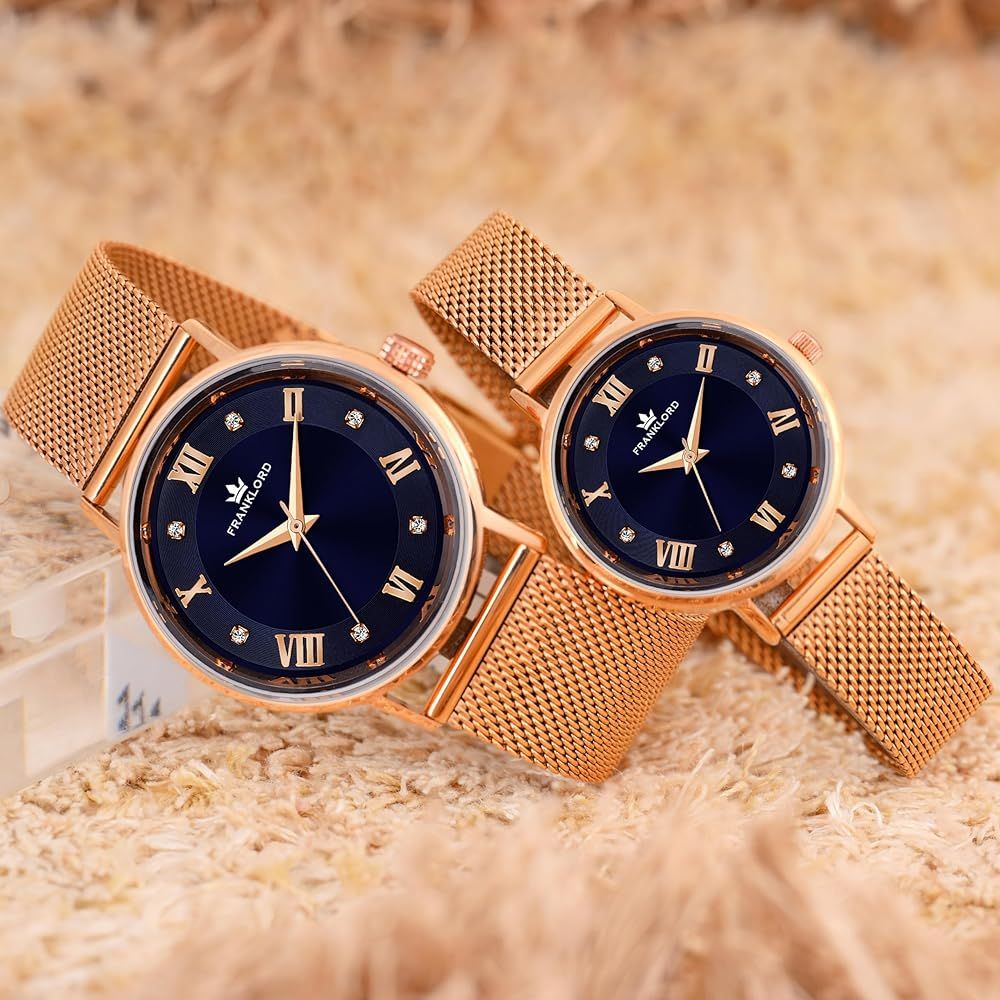
Contemporary watch design also blends traditional mechanical principles with digital innovation. Analog watches focus on craftsmanship and precision; digital watches emphasise usability and multifunctionality; hybrid models combine both. Understanding these fundamentals helps readers interpret specifications, analyze key features, and build informed knowledge about the different watch categories seen today.
Importance
Knowing how dials, movements, and functions work is essential for anyone exploring modern watches, whether for learning, research, or general awareness. The topic matters today because:
-
People rely on watches for time, navigation, activity tracking, scheduling, and style expression.
-
The rise of wearable technology has increased interest in how watches integrate design with digital features.
-
Movement types influence accuracy, durability, maintenance needs, and long-term reliability.
-
Dial structures determine readability, lighting, data layout, and overall user experience.
-
Understanding watch functions helps users compare options realistically without misconceptions.
This information is helpful for beginners, enthusiasts, students, and professionals studying product design, technology, or lifestyle trends. It also addresses common confusion about terms like automatic movement, chronograph, luminous dial, sapphire crystal, GMT, power reserve, and digital interfaces.
Recent Updates
The watch industry continues to evolve with new materials, movement innovations, and interface improvements. Notable trends and updates from the past year include:
-
2024–2025 shift toward sustainable materials
Brands have increased the use of recycled metals, plant-based straps, and eco-certified supply chains. Sustainability has become a stronger part of modern design preferences. -
Rising demand for hybrid analog-digital watches (2024)
Many models now combine mechanical hands with digital screens for notifications, timers, and activity data. -
Growth of solar-powered movements (2024–2025)
Solar quartz movements have gained popularity due to improved charging efficiency, longer lifespan, and reduced battery dependence. -
More advanced lume technology (2024)
Modern luminous pigments like Super-LumiNova variants have improved brightness and longevity for nighttime readability. -
Smartwatch integration of advanced sensors (2025)
New models focus on wellness tracking, GPS improvements, and intelligent widgets while retaining compact, minimalist designs.
These changes show how watches continue to merge tradition with innovation, making technical understanding more important for all categories of users.
Laws or Policies
Modern watches are influenced by manufacturing standards, import rules, labeling regulations, and environmental guidelines depending on the country. Some commonly relevant areas include:
-
Product labeling standards
Many regions require clear labeling for water resistance, materials used, and movement types to prevent user misunderstanding. -
Environmental and battery-disposal rules
Quartz and digital watches using batteries fall under e-waste policies and safe disposal guidelines in countries such as India, the EU, and the US. -
Material safety compliance
Nickel release limits, anti-allergen rules, and lead-free regulations ensure watch components remain safe for skin contact. -
Smartwatch data policies
Devices with sensors or connectivity must follow privacy and data-handling rules to protect user information.
These policies shape how modern watches are produced, tested, labeled, and marketed to the public.
Key Concepts Explained
Dial Designs
Modern watch dials vary based on layout, material, finish, and readability. Common types include:
Analog dials:
-
Simple index dial
-
Arabic or Roman numeral dial
-
Skeleton dial
-
Sunburst, matte, enamel, or textured finishes
Digital dials:
-
LED or LCD displays
-
Multi-screen data layout
-
Backlit interfaces for low-light visibility
Hybrid dials:
-
Analog hands with digital sub-windows
-
Notification panels
-
Activity-tracking indicators
Important features include luminescent coatings, anti-reflective crystal covers, color contrast for readability, and layouts for complications such as moon phase, dual time, and chronograph subdials.
Movement Types
Watch movements power the hands and functions. The three main categories include:
Mechanical Movement (Manual):
-
Runs through hand-winding
-
Contains intricate gears and springs
-
Focuses on craftsmanship
Automatic Movement:
-
Self-winding through wrist motion
-
Popular among enthusiasts
-
No battery required
Quartz Movement:
-
Powered by a battery
-
Highly accurate
-
Affordable and low-maintenance
-
Common in both analog and digital models
Solar Quartz Movement:
-
Charges via light
-
Reduces battery replacements
Digital Movement:
-
Microprocessor-based
-
Supports alarms, stopwatch functions, and activity metrics
Functions (Complications and Features)
Functions vary across analog, digital, and hybrid models. Common examples include:
-
Chronograph (stopwatch)
-
Date display
-
Moon phase
-
GMT or dual-time display
-
Power reserve indicator
-
Alarm
-
Backlight
-
World time
-
Activity tracking
-
Heart rate monitoring
-
GPS navigation
Table: Overview of Modern Watch Components
| Component | Description | Notes |
|---|---|---|
| Dial | Main face displaying time and information | Affects readability and style |
| Movement | Internal mechanism powering the watch | Determines accuracy and maintenance |
| Crystal | Transparent cover protecting the dial | Sapphire offers higher scratch resistance |
| Case | Outer shell protecting internal parts | Made of steel, titanium, ceramic, or resin |
| Strap/Band | Supports wrist comfort and design | Leather, metal, rubber, nylon, silicone |
| Functions | Additional features beyond time | Vary widely across watch types |
Tools and Resources
Several tools and online resources help people research, compare, and understand modern watch designs. These include:
-
Dial design reference websites
-
Watch movement comparison tools
-
Material durability charts
-
Water-resistance calculators
-
Wrist-size measurement apps
-
Watch glossary platforms
-
Time-zone converters
-
Online watch specification databases
These resources help users analyze specifications, understand terminology, and compare features across categories.
FAQs
What is the difference between automatic and quartz movement?
Automatic watches use mechanical components powered by wrist motion, while quartz watches use a battery and electronic circuit for timekeeping. Quartz is more accurate, while automatic movements focus on mechanical craftsmanship.
What materials are commonly used for watch dials and cases?
Dials use materials like brass, enamel, wood, or textured metal. Cases may be stainless steel, titanium, ceramic, resin, or alloy depending on design and durability requirements.
What does water resistance mean in a watch?
Water resistance indicates how well a watch withstands moisture or pressure. Common ratings include 30m, 50m, 100m, and higher. It does not always mean the watch is suitable for deep-water activities unless specifically rated.
Why do some watches have multiple small dials?
These small dials, known as subdials, display functions like a stopwatch, seconds counter, date, or additional time zone. They help organize extra information on the main dial.
What affects the durability of a watch?
Durability depends on movement type, case material, crystal type, water resistance, and overall build quality. Sapphire crystal and stainless steel are known for strong resilience.
Conclusion
Modern watch design is shaped by a blend of engineering, style decisions, and functional innovation. By understanding dial designs, movement types, and additional features, readers can interpret specifications clearly and navigate the expanding world of both analog and digital watches. Recent trends, sustainability efforts, and technological upgrades continue to influence how watches are created and used in everyday life. Awareness of policies, components, and available resources helps anyone develop a grounded understanding of how modern watches operate and what makes them unique across categories.