Understanding Natural Hair Care for Curly Hair: Basics, Facts, and Tips
Natural hair care for curly hair refers to routines and practices that support curls in their natural state, without relying on chemical straightening, harsh treatments, or excessive heat styling. This approach focuses on working with the curl pattern rather than changing it. It emphasizes gentle cleansing, proper moisture balance, scalp health, and minimal manipulation.
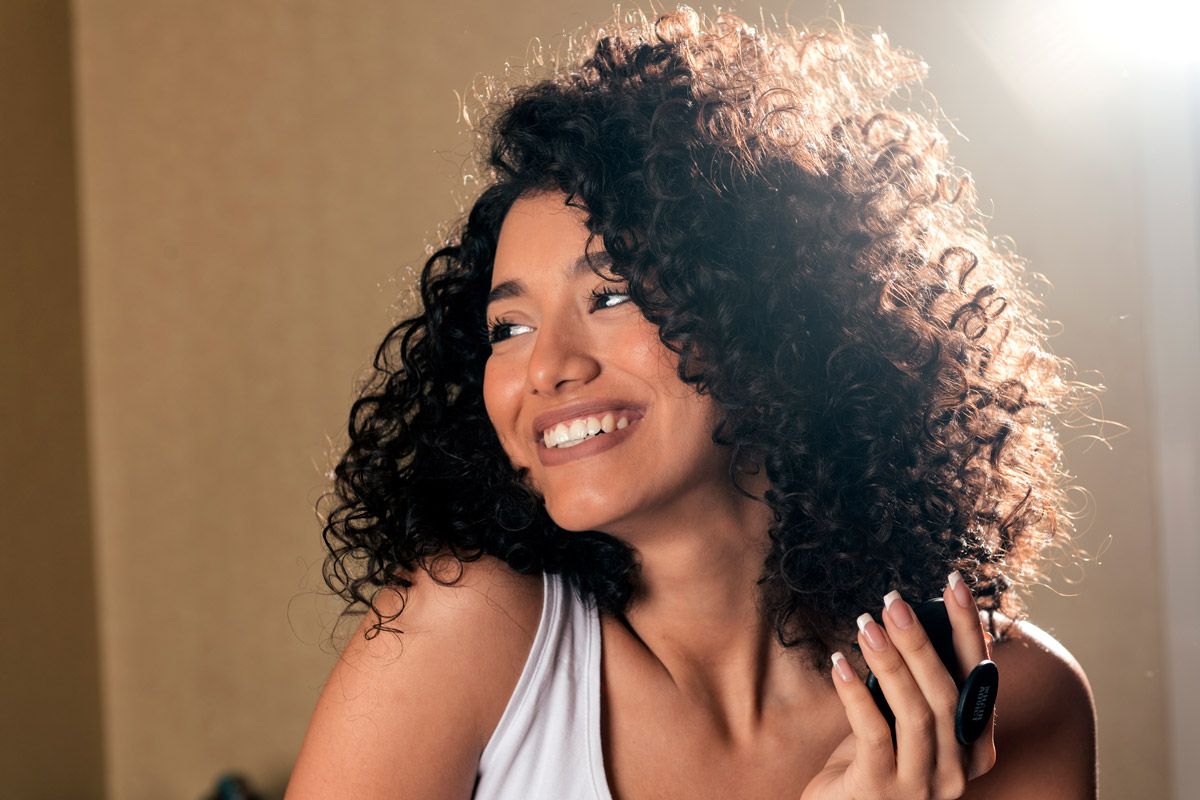
Curly hair differs from straight hair in both structure and behavior. The natural bends and coils in curly strands make it harder for scalp oils to travel from root to tip. As a result, curly hair is often drier and more prone to breakage. Natural hair care emerged to address these differences by using curl-specific techniques and ingredient awareness rather than one-size-fits-all routines.
Over time, people with curls began noticing that conventional hair care advice did not always meet their needs. Natural hair care developed as a response to these gaps, offering a more informed and texture-focused way to maintain healthy curls.
Importance: Why Natural Curly Hair Care Matters Today
Natural hair care for curly hair matters because a large portion of the global population has wavy, curly, or coily hair textures. Despite this, many general hair care practices still prioritize straight hair standards, leading to confusion, damage, or frustration for people with curls.
This topic affects:
-
Individuals with naturally curly or textured hair
-
Parents caring for children’s curly hair
-
People transitioning away from chemical treatments
-
Anyone experiencing dryness, breakage, or frizz
Natural curly hair routines help solve several common problems:
-
Chronic dryness caused by improper cleansing
-
Breakage from rough handling or unsuitable tools
-
Frizz resulting from moisture imbalance
-
Scalp issues linked to product buildup
Beyond physical hair health, natural hair care also supports confidence and self-acceptance. Understanding how curls function allows individuals to make informed decisions rather than relying on trial and error. From an educational standpoint, it promotes realistic expectations and sustainable hair habits.
Recent Updates: Changes and Trends in Natural Curly Hair Care
In recent months, natural curly hair care discussions have increasingly focused on ingredient transparency and routine simplicity. Many people are moving away from overly complex regimens and toward fewer, well-understood steps.
Notable trends observed since early spring include:
-
Increased attention to scalp care as part of curly routines
-
Growing use of lightweight conditioning methods to avoid buildup
-
More emphasis on understanding curl types rather than copying routines
-
Broader awareness of protein-moisture balance in natural hair care
There has also been a shift toward educational content that explains why certain practices work, rather than promoting trends without context. This has helped people adapt routines to their individual hair characteristics instead of following generic advice.
Laws or Policies: How Rules and Regulations Affect Natural Hair Care
Natural hair care for curly hair is influenced indirectly by cosmetic safety regulations and ingredient labeling rules in many countries. These policies aim to protect consumers by ensuring transparency and safety in personal care products.
Key regulatory influences include:
-
Mandatory ingredient disclosure on hair care packaging
-
Restrictions on certain chemicals used in cosmetics
-
Guidelines for cosmetic safety testing and labeling accuracy
In some regions, workplace and educational policies have also evolved to protect natural hairstyles from discrimination. These rules recognize curls, coils, and textured hair as natural traits rather than grooming issues. Such policies have contributed to wider acceptance of natural hair care practices and reduced pressure to alter hair texture.
Overall, regulations help consumers make informed decisions by improving access to clear information, even though natural hair care itself remains a personal practice rather than a regulated activity.
Tools and Resources: Helpful Aids for Natural Curly Hair Care
Several practical tools and educational resources support effective natural hair care for curly hair. These tools help individuals understand their hair better and apply consistent routines.
Commonly used tools and resources include:
-
Curl pattern charts to identify hair texture range
-
Ingredient reference databases for hair care awareness
-
Hair porosity tests using simple water-based methods
-
Routine planners for wash days and conditioning schedules
-
Scalp analysis guides focused on dryness or buildup
Below is a simple table illustrating how different tools support curly hair care goals:
| Tool or Resource | Primary Purpose | Practical Benefit |
|---|---|---|
| Curl pattern guide | Texture identification | Better routine selection |
| Porosity assessment | Moisture absorption insight | Improved product layering |
| Scalp check methods | Scalp condition awareness | Healthier hair growth |
| Routine tracker | Consistency monitoring | Reduced breakage |
These resources are informational in nature and help people make evidence-based decisions rather than relying on assumptions.
FAQs: Common Questions About Natural Curly Hair Care
What makes curly hair different from straight hair?
Curly hair has a curved follicle shape and uneven moisture distribution. This structure makes it more vulnerable to dryness and breakage, requiring gentler care and regular conditioning.
How often should curly hair be washed?
There is no universal schedule. Washing frequency depends on scalp condition, activity level, and curl type. Many people find that spacing washes helps retain moisture while keeping the scalp comfortable.
Is brushing curly hair recommended?
Brushing dry curly hair can disrupt curl patterns and cause breakage. Detangling is generally more effective when hair is damp and coated with conditioner or a slip-providing product.
Why does curly hair experience frizz easily?
Frizz occurs when hair lacks moisture or encounters humidity. The raised cuticle in curly hair allows moisture from the air to enter unevenly, creating a frizzy appearance.
Does natural hair care mean avoiding all products?
Natural hair care focuses on informed use rather than complete avoidance. The goal is to understand ingredients and techniques that support curls, not to eliminate all external aids.
Conclusion: Understanding and Supporting Natural Curls
Natural hair care for curly hair is about knowledge, patience, and consistency. By understanding how curls function and why they behave differently, individuals can move away from damaging habits and toward healthier routines.
This approach matters not only for physical hair health but also for long-term confidence and self-understanding. With growing awareness, improved education, and supportive policies, natural curly hair care continues to evolve as a practical and informed practice.
Rather than following rigid rules, natural hair care encourages observation, adaptation, and respect for individual hair characteristics. Over time, this leads to stronger curls, better scalp health, and a more sustainable relationship with one’s natural hair texture.

