Understanding Press Brakes: Detailed Explanation, Key Facts, Operational Tips, and Expert Advice
Press brakes are industrial machines used to bend sheet metal into specific shapes and angles. They play a central role in metal fabrication, industrial manufacturing, and precision engineering. The machine applies force through a punch and die system to form materials such as steel, aluminum, and stainless steel.
The concept exists because industries require consistent, repeatable metal bending for products like enclosures, brackets, panels, frames, and structural components. Without press brakes, producing accurate bends in sheet metal would be slow, inconsistent, and difficult to standardize.
Modern press brake machines combine mechanical power with advanced control systems. Today, many models operate with CNC press brake technology, enabling programmable bending sequences and highly accurate results.
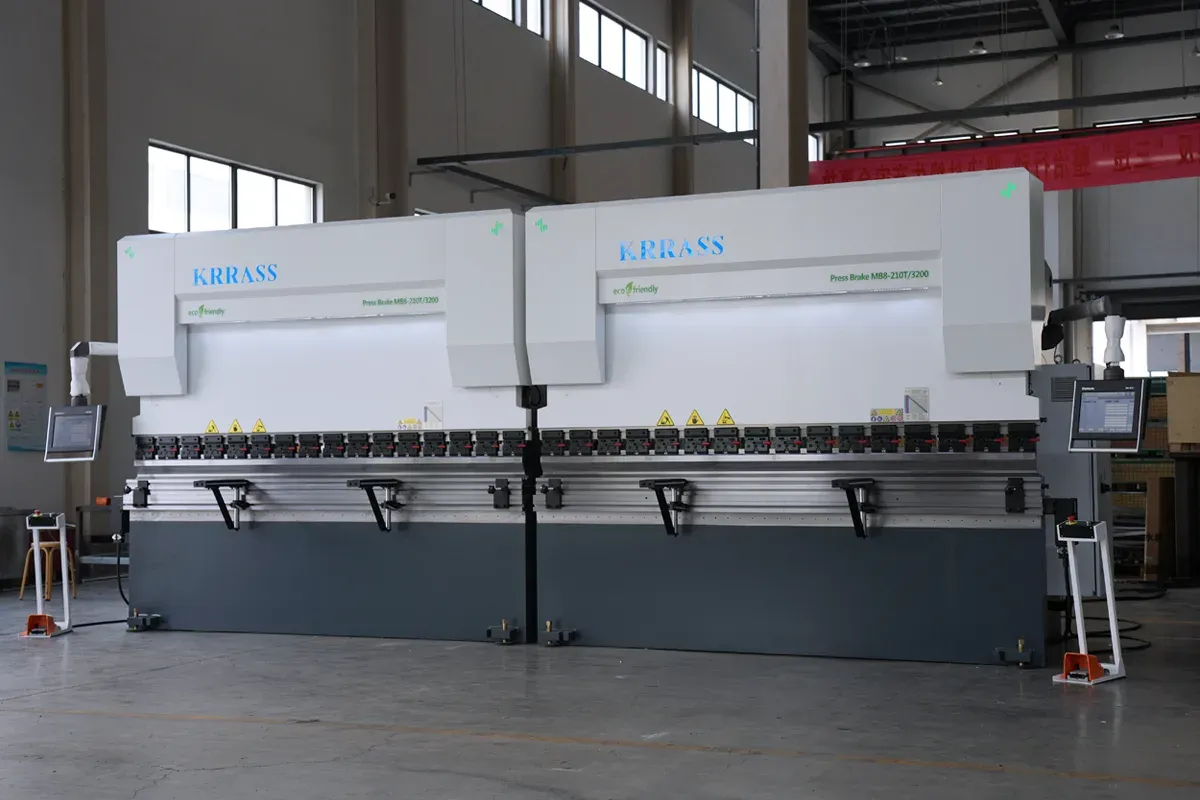
Types of Press Brakes
Different press brakes are designed for different production requirements:
Mechanical Press Brake
- Uses a flywheel and crank mechanism
- Suitable for high-speed operations
- Typically used in repetitive bending tasks
Hydraulic Press Brake
- Uses hydraulic cylinders
- Provides consistent pressure control
- Common in heavy-duty metal forming
CNC Press Brake
- Computer-controlled bending system
- Allows programmable bend sequences
- High precision and repeatability
Electric Press Brake
- Energy-efficient operation
- Reduced noise levels
- Suitable for precision sheet metal applications
Key Components of a Press Brake
Below is a simplified overview of essential parts:
Press Brake Components
| Component | Function |
|---|---|
| Frame | Provides structural support |
| Ram | Moves vertically to apply force |
| Punch | Upper tool that presses material |
| Die | Lower tool shaping the metal |
| Back Gauge | Controls bend positioning |
| CNC Controller | Manages programmed operations |
Understanding these parts is crucial for safe and accurate operation.
Why Press Brakes Matter Today
Press brakes are vital in industries such as:
- Automotive manufacturing
- Aerospace engineering
- Construction and infrastructure
- Electrical enclosures and cabinets
- Industrial equipment production
They affect engineers, factory operators, production managers, and quality control teams.
Modern manufacturing requires:
- Tight tolerances
- High repeatability
- Reduced material waste
- Faster production cycles
Press brakes help solve problems like inconsistent bends, material deformation, and structural weakness. With precision sheet metal bending, industries can meet strict design specifications.
They also support sustainability by reducing scrap material and improving production efficiency.
Operational Basics and Best Practices
Operating a press brake requires knowledge of material properties, machine calibration, and safety procedures.
Important operational tips include:
- Always verify tooling alignment before starting
- Check material thickness and bend allowance
- Use proper press brake tonnage calculation
- Inspect dies and punches for wear
- Maintain consistent back gauge settings
Accuracy depends on:
- Correct tooling selection
- Material type (mild steel, aluminum, stainless steel)
- Proper CNC programming
- Machine calibration
Press Brake Tonnage Estimation Example
| Material | Thickness | Approximate Tonnage Required |
|---|---|---|
| Mild Steel | 2 mm | Low |
| Stainless Steel | 3 mm | Moderate |
| Aluminum | 4 mm | Moderate to High |
Actual values vary depending on machine capacity and bend length. Operators rely on press brake tonnage charts to ensure safe operation.
Recent Developments and Industry Trends
In the past year, press brake manufacturing and usage have seen several notable developments:
- Increased integration of automation systems in metal fabrication lines
- Expansion of robotic press brake integration for repetitive bending tasks
- Growth in demand for energy-efficient electric press brakes
- Adoption of advanced CNC software with 3D simulation capabilities
- Enhanced safety features including light curtains and laser guarding
Manufacturers are focusing on digital transformation, incorporating smart sensors for predictive maintenance and performance monitoring.
Another visible trend is the use of cloud-based production management tools to track bending accuracy and machine utilization in real time.
Safety Regulations and Compliance
Press brake operations are regulated under occupational safety standards in many countries.
In the United States, safety practices are guided by standards from Occupational Safety and Health Administration. These regulations require:
- Proper machine guarding
- Emergency stop systems
- Operator training
- Lockout/tagout procedures
- Personal protective equipment
In Europe, compliance with machinery directives and CE marking standards is mandatory for press brake manufacturers and operators.
Common safety measures include:
- Light curtain systems
- Two-hand control mechanisms
- Laser safety devices
- Routine maintenance inspections
Failure to comply can lead to workplace hazards and operational shutdowns.
Tools and Resources for Press Brake Operations
Several tools and technologies support effective press brake use:
- CNC programming software for bend sequence planning
- Tonnage calculators for accurate force estimation
- Bend allowance calculators
- CAD/CAM integration platforms
- Tooling selection guides
- Preventive maintenance templates
- Production monitoring dashboards
Digital simulation tools allow operators to test bending operations virtually before running actual production cycles. This reduces setup time and material waste.
Some manufacturers also provide virtual training modules to improve operator skills in CNC press brake programming.
Common Challenges in Press Brake Operations
Operators may encounter:
- Springback effect in high-strength materials
- Tooling misalignment
- Overbending or underbending
- Material cracking
- Inconsistent bend angles
Frequently Asked Questions
What is the main purpose of a press brake?
A press brake is used to bend sheet metal into specific shapes and angles with precision and repeatability.
How is press brake tonnage calculated?
Tonnage depends on material type, thickness, bend length, and die opening. Operators use tonnage charts or digital calculators for accurate estimation.
What is the difference between hydraulic and CNC press brakes?
Hydraulic press brakes use hydraulic cylinders for force, while CNC press brakes include programmable controls that automate bending sequences.
Why does springback occur in metal bending?
Springback occurs because metal attempts to return to its original shape after pressure is released. Compensation techniques are used to achieve the desired angle.
What safety precautions should operators follow?
Operators should follow machine guarding requirements, use protective equipment, complete training, and comply with safety standards set by regulatory authorities.
Advantages of Modern Press Brakes
Modern machines provide:
- Improved bending accuracy
- Automated back gauge systems
- Energy-efficient operation
- Reduced manual handling
- Enhanced production tracking
Conclusion
Press brakes are fundamental to industrial metal fabrication and precision manufacturing. They transform flat sheet metal into structured components used across automotive, aerospace, construction, and engineering sectors.
With advancements in CNC technology, automation, and safety compliance, modern press brakes provide higher accuracy, improved efficiency, and better operational control.
Understanding machine types, tonnage requirements, material behavior, and safety regulations ensures effective use. As industries continue adopting digital tools and automation, press brake technology remains a key element in advanced manufacturing systems.
By focusing on precision sheet metal bending, proper training, and compliance with safety standards, organizations can maintain reliable and efficient metal forming operations.