Understanding PVC Pipe Manufacturing: Basics, Facts, Insights, and Industry Overview
PVC pipe manufacturing refers to the industrial process of producing pipes made from polyvinyl chloride (PVC), a widely used thermoplastic polymer. PVC pipes are commonly used in water supply systems, drainage networks, irrigation projects, electrical conduit systems, and infrastructure development.
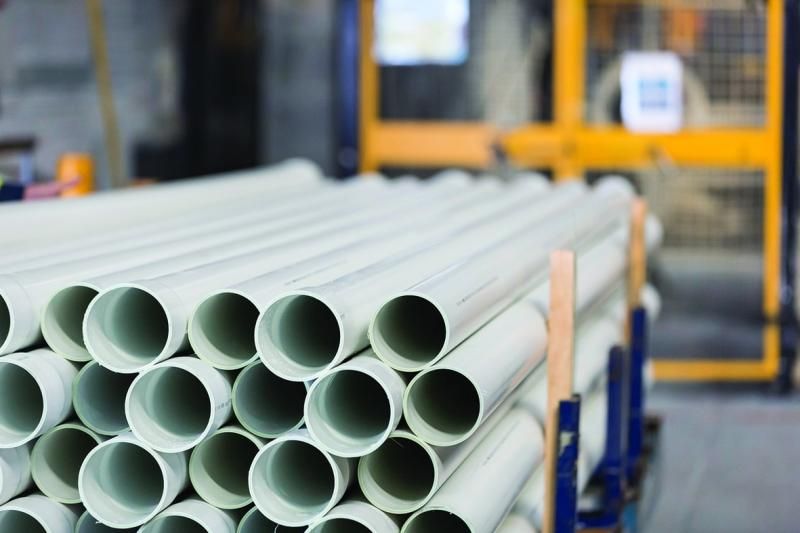 The reason PVC pipe manufacturing exists is to meet the growing demand for durable, lightweight, and corrosion-resistant piping materials. Compared to traditional materials like metal or concrete, PVC offers advantages such as chemical resistance, low maintenance requirements, and ease of installation.
PVC pipe production typically involves the PVC extrusion process, where raw PVC resin is combined with stabilizers and additives, melted, and shaped into pipe form through an extrusion machine. The finished pipes are cooled, cut to size, tested, and prepared for distribution within the construction materials industry.
Overview of the PVC Extrusion Process
PVC pipe manufacturing is based on polymer processing technology and controlled mechanical systems. The main stages include:
• Raw material preparation – PVC resin is blended with additives such as heat stabilizers, lubricants, and impact modifiers.
• Feeding and melting – The mixture is fed into an extruder where it is heated and homogenized.
• Shaping – The molten PVC passes through a die to form the desired pipe diameter and thickness.
• Cooling – The pipe moves through a water-cooling tank to solidify and maintain its shape.
• Cutting and finishing – Pipes are cut to standard lengths and undergo quality inspection.
These processes are monitored using industrial automation systems to ensure consistent wall thickness, pressure rating compliance, and dimensional accuracy.
Importance of PVC Pipe Manufacturing Today
PVC pipe manufacturing plays a central role in modern infrastructure development materials. As urbanization increases, demand for efficient water supply systems and drainage solutions continues to grow.
The plastic pipe industry supports:
• Municipal water distribution networks
• Agricultural irrigation systems
• Residential plumbing systems
• Industrial fluid handling applications
• Electrical cable protection
PVC pipes are valued for their corrosion resistance and long service life. Unlike metal pipes, they do not rust, making them suitable for underground installations and chemical transport systems.
In the context of environmental performance, PVC pipes are relatively lightweight. This reduces transportation emissions compared to heavier materials. Additionally, advancements in sustainable PVC production have improved recyclability and energy efficiency in manufacturing plants.
The sector affects multiple stakeholders, including construction companies, real estate developers, agricultural communities, municipal authorities, and infrastructure planners. By providing reliable piping solutions, the industry helps address water loss, sanitation challenges, and resource management issues.
Common Types of PVC Pipes
PVC pipe manufacturing produces different categories based on application and composition.
Unplasticized PVC (uPVC) pipes are rigid and widely used in water supply and drainage systems.
Chlorinated PVC (CPVC) pipes can handle higher temperatures and are often used in hot water plumbing systems.
PVC drainage pipes are designed for waste and stormwater systems.
PVC electrical conduit pipes are used to protect wiring in buildings and infrastructure projects.
Each type is produced under specific industrial pipe production standards to ensure safety and durability.
Recent Updates and Industry Trends
The PVC pipe manufacturing sector has experienced several notable developments over the past year.
One key trend is increased adoption of automated extrusion lines. Manufacturers are investing in smart sensors and data monitoring systems to improve quality control and reduce material waste.
There has also been a growing focus on sustainable PVC production. Companies are working to incorporate recycled PVC content into new pipes without compromising structural integrity. Improved formulations have enhanced impact resistance and long-term performance.
Energy efficiency upgrades in polymer processing plants have become more common. New-generation extruders consume less electricity while maintaining consistent output levels.
In addition, governments in several countries have expanded infrastructure development initiatives focused on water supply and sanitation. This has influenced production volumes and technology investments in the plastic pipe industry.
Another development involves stricter environmental and safety compliance frameworks. Manufacturers are increasingly aligning operations with global environmental management standards and product certification systems
Laws, Policies, and Industry Standards
PVC pipe manufacturing is regulated by national and international standards to ensure product safety and environmental responsibility.
In many countries, including India, PVC pipes must comply with standards issued by organizations such as the Bureau of Indian Standards (BIS). These standards define specifications for pressure ratings, dimensions, and material composition.
Environmental policies influence manufacturing operations. Regulations may address:
• Emissions from polymer processing plants
• Waste management and recycling requirements
• Safe handling of chemical additives
• Energy consumption monitoring
Water infrastructure projects often require pipes to meet public health safety guidelines. This ensures that PVC pipes used in drinking water systems do not contaminate the water supply.
Building codes and construction regulations also impact the use of PVC pipes. Contractors and developers must follow approved specifications when selecting materials for plumbing and drainage systems.
Compliance with these regulations supports product reliability and protects public health.
Tools and Resources for PVC Pipe Manufacturing
Modern PVC pipe manufacturing relies on a range of technical tools and digital systems.
Key tools include:
• Twin-screw and single-screw extruders for material processing
• Vacuum calibration tanks for dimensional control
• Online thickness measurement systems
• Pressure testing machines for quality assurance
• Industrial automation software for process monitoring
Digital resources commonly used in the industry:
• Polymer property databases for material selection
• Engineering calculation tools for pipe pressure ratings
• CAD software for pipe system design
• Environmental management software for compliance tracking
• Quality management templates aligned with ISO standards
These tools improve efficiency, reduce material waste, and enhance product consistency.
Example: Typical PVC Pipe Production Flow
| Stage | Process Description | Key Objective |
|---|---|---|
| Material Blending | Mixing PVC resin and additives | Uniform composition |
| Extrusion | Melting and shaping through die | Forming pipe structure |
| Calibration | Vacuum sizing and shaping | Dimensional accuracy |
| Cooling | Water tank solidification | Structural stability |
| Testing | Pressure and strength testing | Quality compliance |
This structured workflow helps maintain standardization across large-scale industrial pipe production facilities.

