Understanding Steel Manufacturing Processes: Basics, Explanation, and Helpful Information
Steel manufacturing refers to the industrial processes used to convert raw materials—such as iron ore, coal or alternative carbon sources, scrap steel, and various alloys—into steel. This material remains one of the world’s most essential building blocks due to its strength, durability, and adaptability. Steel exists in countless forms, from reinforcing bars in construction to precision-grade steel used in aerospace, automotive, electronics, energy, and industrial machinery.
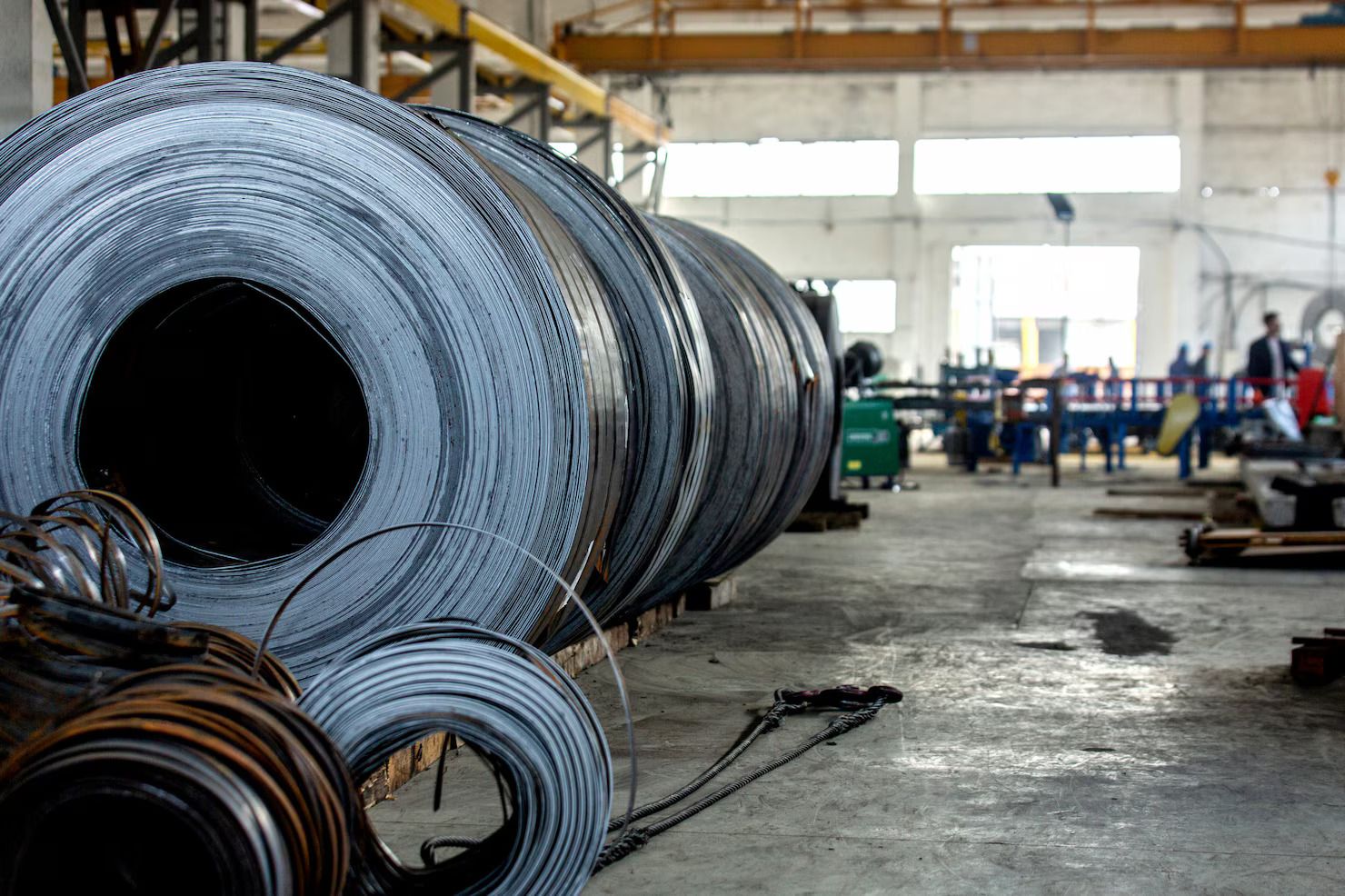 As populations grow and economies expand, the need for strong, reliable, and scalable materials increases. Steel manufacturing exists because it provides a way to produce structural materials at a global scale using a combination of chemical, thermal, and mechanical processes. Over time, steelmaking has evolved into more efficient and eco-focused methods, meeting modern expectations for sustainability, safety, and energy efficiency.
Why Steel Manufacturing Matters Today
Global Economic Significance
Steel is deeply embedded in worldwide economic activity.
-
It supports construction, transportation, machinery, power generation, consumer goods, and urban development.
-
Countries rely on steel production to fuel infrastructure growth, industrialization, and technological progress.
-
Steel supply chains influence global trade, investment, and regional economic stability.
Environmental Importance
Traditional steelmaking is energy-intensive and one of the largest industrial contributors to global carbon emissions. This has led to worldwide efforts toward decarbonization, energy-efficient operations, and green steel technologies. Many countries now emphasize recycling, renewable energy integration, and carbon-reduction strategies to shape a more sustainable steel sector.
Social and Industrial Impact
-
Steel supports millions of jobs worldwide across mining, processing, logistics, fabrication, and engineering.
-
Growing urbanization, rising living standards, and infrastructure expansion make steel essential for housing, transportation networks, and public utilities.
-
Transitioning to cleaner steel production also contributes to healthier communities through reduced pollution and improved environmental practices.
Recent Global Trends and Updates (2024–2025)
Shift Toward Electric Arc Furnace (EAF) Technology
Across the world, steel producers are increasingly shifting toward Electric Arc Furnaces, which rely on electricity and recycled scrap steel. EAF-based production is growing because it emits significantly less carbon and allows flexibility during fluctuations in raw material supply. Many countries that have abundant renewable energy are accelerating this shift to support low-emission manufacturing.
Green Steel Momentum
Between 2024 and 2025, numerous countries introduced green steel roadmaps encouraging producers to reduce emissions using technologies such as:
-
Hydrogen-based Direct Reduced Iron (H-DRI)
-
Carbon capture and storage (CCS)
-
Renewable electricity integration
-
Optimized scrap recycling methods
Large infrastructure and automotive companies have also expressed interest in sourcing low-carbon steel, steadily increasing global demand.
Raw Material Adjustments
Global trade policies related to iron ore, metallurgical coal, ferrous scrap, and alloying elements have led to ongoing adjustments in supply chains. Countries have been diversifying suppliers, improving recycling systems, and investing in more resilient domestic production capacity.
Digital Transformation
From 2024 to 2025, the global steel sector adopted more digital tools such as:
-
Predictive analytics for furnace temperature control
-
AI-based quality monitoring
-
Robotics in safety-sensitive operations
-
Automated scrap sorting and composition analysis
Digitalization has made production more efficient, safe, and consistent—with improvements in yield, energy optimization, and emissions tracking.
Circular Economy Focus
Several countries introduced updated metal recycling targets and end-of-life vehicle recycling requirements. This helped increase the availability of scrap steel and reduce pressure on mining activities. Many global reports highlight scrap steel as a strategic resource for sustainable industrial growth.
Regulations, Laws, and Global Policy Frameworks
Because steel is a foundational industrial sector, many countries maintain strict regulatory oversight. While rules differ by region, several common themes appear worldwide.
Environmental Regulations
Most steel-producing countries enforce standards related to:
-
Air emissions, including carbon dioxide, sulfur oxides, and particulate matter
-
Wastewater discharge and water usage efficiency
-
Solid waste and slag management
-
Noise control and plant-level environmental assessments
Many nations have strengthened decarbonization policies, carbon pricing mechanisms, and emissions reporting requirements for steel plants.
Quality and Safety Standards
Steel quality is regulated globally through national and international standards organizations. These rules help ensure steel used in buildings, bridges, machinery, and vehicles meets required performance criteria.
Safety regulations also exist to protect workers from hazards such as molten metal, high temperatures, heavy machinery, and confined spaces. Many steel-producing regions have implemented updated safety frameworks between 2024 and 2025 to reduce industrial accidents and improve occupational health measures.
Trade Policies
Countries commonly use trade regulations to stabilize domestic steel industries. These may include:
-
Quality control laws
-
Import monitoring systems
-
Export guidelines
-
Anti-dumping and countervailing measures
-
Recycling policies and scrap management rules
Global organizations encourage transparency and fairness in steel trade to prevent market disruptions.
Green Steel Policies
Between 2024 and 2025, many regions rolled out frameworks that define what qualifies as “low-carbon” or “green” steel. These programs typically involve:
-
Emissions thresholds
-
Renewable energy usage guidelines
-
Hydrogen adoption standards
-
Lifecycle assessment requirements
Such policies support manufacturers who transition to cleaner production and encourage buyers to consider sustainable steel options.
Tools and Resources for Understanding Steel Manufacturing
Here are globally useful tools and resources for learning, analysis, and industry reference:
Learning Platforms and Courses
-
Online simulation tools for blast furnace and EAF operations
-
Virtual metallurgical labs for understanding thermodynamics, energy balance, and alloying
-
Microstructure analysis platforms for learning about steel grades
Data and Analytics Tools
-
Global steel production dashboards
-
Emissions calculators for comparing BF-BOF and EAF processes
-
Material property calculators for tensile strength, hardness, and corrosion resistance
Industry Reports and Technical Documents
-
Worldwide steel production and demand outlooks
-
Life-cycle assessment (LCA) reports for sustainability evaluation
-
Research publications on hydrogen steelmaking, AI-driven operations, and carbon capture
Planning and Design Resources
-
Structural steel design manuals
-
Rolling schedule templates
-
Metallurgical phase diagram tools
-
Steel grade comparison charts
Safety and Inspection Tools
-
Digital risk assessment templates
-
Safety compliance checklists
-
Non-destructive testing (NDT) technique guides
Frequently Asked Questions (FAQs)
Q: What are the main steel manufacturing methods used worldwide?
A: The two major global methods are:
-
Blast Furnace–Basic Oxygen Furnace (BF–BOF), which uses iron ore, coke, and limestone to produce steel.
-
Electric Arc Furnace (EAF), which melts scrap steel or Direct Reduced Iron using electricity. Many countries are expanding EAF capacity to support sustainability goals.
Q: Why is steel such an important material globally?
A: Steel is strong, versatile, recyclable, and essential for infrastructure, transportation, machinery, energy systems, and urban development. Its global availability supports economic stability and industrial growth.
Q: What is green steel?
A: Green steel generally refers to steel produced with significantly lower carbon emissions. This can be achieved through EAF technology, renewable electricity, hydrogen-based iron reduction, or carbon capture systems.
Q: Is steel manufacturing becoming more environmentally friendly?
A: Yes. Countries are encouraging cleaner technologies, improving scrap utilization, increasing renewable energy integration, and introducing low-carbon policies. The trend toward green steel is expected to accelerate throughout the next decade.
Q: How does recycling influence the steel industry?
A: Recycling reduces the need for mining, decreases emissions, lowers energy usage, and supports circular economy goals. Many nations have strengthened recycling requirements to improve scrap availability for EAF-based production.
Conclusion
Steel manufacturing is fundamental to global progress, powering everything from buildings and vehicles to factories and utilities. As the demand for sustainable development rises, the industry is undergoing a major transformation. Advances in electric arc furnace technology, hydrogen-based production, and comprehensive recycling systems are reshaping how steel is made. Countries worldwide are updating environmental regulations, safety standards, and green steel policies to support cleaner and more efficient production.
With its economic importance and essential role in infrastructure development, steel will continue to remain a core material for future generations. Understanding its manufacturing processes provides valuable insight into global industrial trends, sustainability efforts, and the technologies shaping the next era of steelmaking.

