Understanding Stroke Diagnosis and Neurological Treatment Approaches
Stroke is a medical condition that occurs when blood flow to a part of the brain is interrupted or reduced. This prevents brain tissue from receiving oxygen and nutrients, leading to cell damage within minutes. Early diagnosis and proper neurological treatment are critical to limit long-term disability and improve recovery outcomes.
Stroke care exists to detect brain injury quickly, identify the type of stroke, and guide appropriate treatment strategies. With advancements in imaging, monitoring systems, and neurological research, stroke diagnosis has become more accurate, and treatment approaches have become more targeted.
What Stroke Diagnosis Involves and Why It Exists
Stroke diagnosis refers to the medical process of identifying whether a person is experiencing a stroke, determining the type, and locating the affected brain area. This process helps healthcare teams decide the safest and most effective treatment path.
There are two main types of stroke:
-
Ischemic stroke: Caused by blocked blood vessels
-
Hemorrhagic stroke: Caused by bleeding in the brain
Diagnosis focuses on quickly confirming which type has occurred. This is important because treatments differ for each type.
Common diagnostic methods include:
-
Neurological examinations
-
Brain imaging scans
-
Blood tests
-
Heart monitoring
The goal is to detect stroke early, assess brain damage, and prevent further injury.
Why Stroke Diagnosis and Neurological Treatment Matter
Stroke is one of the leading causes of disability worldwide. It affects brain functions such as movement, speech, memory, and vision. Timely diagnosis improves the chance of recovery and reduces complications.
Stroke care matters because it:
-
Helps preserve brain function
-
Reduces long-term disability
-
Improves survival outcomes
-
Supports rehabilitation planning
-
Prevents secondary strokes
People affected by stroke include:
-
Older adults
-
Individuals with high blood pressure
-
People with diabetes
-
Those with heart conditions
-
Individuals with lifestyle-related risk factors
Neurological treatment focuses on stabilizing the patient, restoring blood flow when possible, and managing brain swelling or bleeding. Rehabilitation then helps restore daily functioning.
Recent Clinical Updates in Stroke Care
In the past year, stroke care has continued to improve through research and technology.
January 2025: Advanced imaging tools improved early stroke detection accuracy
April 2025: AI-based brain scan analysis supported faster diagnosis
July 2025: Updated clinical guidelines emphasized rapid intervention
October 2025: Enhanced rehabilitation protocols improved recovery outcomes
Hospitals now use faster imaging systems to assess brain damage within minutes. Artificial intelligence tools assist neurologists in detecting subtle stroke signs on scans.
Another major development is the increased use of remote neurological consultations. This helps patients in rural areas receive expert evaluation quickly.
Laws and Health Policies Related to Stroke Care
Stroke diagnosis and neurological treatment follow strict medical regulations and health policies to ensure patient safety and treatment quality.
Key policy areas include:
-
Emergency care standards
Hospitals follow national protocols for rapid stroke assessment and management. -
Patient data protection
Medical imaging and neurological records are protected under health data laws. -
Public health programs
Governments support stroke awareness, prevention, and rehabilitation programs. -
Clinical practice guidelines
Neurological societies publish standardized stroke treatment frameworks.
Many countries have national stroke strategies that improve hospital readiness, emergency response times, and access to neurological specialists.
Tools and Resources Used in Stroke Diagnosis
Modern stroke care relies on advanced tools to support fast and accurate diagnosis.
Common diagnostic tools include:
-
CT scan – Detects brain bleeding
-
MRI scan – Identifies ischemic damage
-
CT angiography – Shows blood vessel blockages
-
EEG – Monitors brain activity
-
Blood analysis systems – Detect risk factors
Monitoring tools include:
-
Heart rhythm monitors
-
Blood pressure systems
-
Oxygen level trackers
Digital resources support neurologists by organizing patient data, imaging results, and recovery plans.
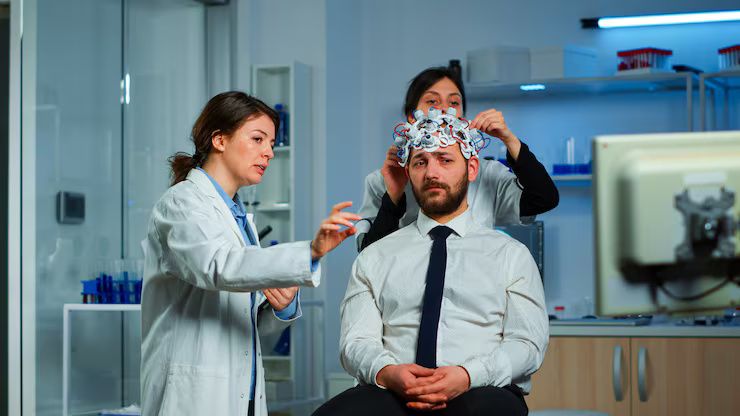
Stroke Diagnosis Process Overview
| Step | Purpose |
|---|---|
| Initial assessment | Identify symptoms |
| Brain imaging | Detect stroke type |
| Blood tests | Check risk factors |
| Cardiac evaluation | Find heart-related causes |
| Neurological review | Assess brain function |
Each step helps confirm the diagnosis and guide treatment safely.
Neurological Treatment Approaches for Stroke
Treatment strategies depend on stroke type, severity, and patient condition.
For ischemic stroke:
-
Clot-dissolving medications
-
Mechanical clot removal
-
Blood flow restoration
For hemorrhagic stroke:
-
Blood pressure control
-
Bleeding stabilization
-
Brain pressure management
Supportive neurological care includes:
-
Swallowing assessments
-
Speech therapy planning
-
Mobility evaluation
-
Cognitive rehabilitation
Early neurological intervention helps prevent complications such as paralysis, speech loss, and memory problems.
Rehabilitation and Recovery Focus
Stroke recovery continues after emergency treatment. Rehabilitation helps restore daily function.
Key rehabilitation areas:
-
Physical therapy
-
Speech therapy
-
Occupational therapy
-
Cognitive training
Recovery progress varies based on:
-
Stroke severity
-
Brain area affected
-
Speed of diagnosis
-
Overall health condition
Rehabilitation aims to improve independence and quality of life.
Risk Factor Assessment in Stroke Diagnosis
Neurologists evaluate risk factors to prevent future strokes.
Common risk indicators:
-
High blood pressure
-
Heart rhythm disorders
-
High cholesterol
-
Diabetes
-
Smoking history
Identifying these factors helps guide long-term neurological management.
Brain Imaging Comparison
| Imaging Method | Primary Use | Time Sensitivity |
|---|---|---|
| CT Scan | Detect bleeding | Very fast |
| MRI | Detect tissue damage | Moderate |
| Angiography | View vessels | Moderate |
| Perfusion scan | Blood flow analysis | Fast |
Imaging plays a vital role in accurate diagnosis.
Role of Neurologists in Stroke Care
Neurologists specialize in brain and nervous system conditions. In stroke care, they:
-
Interpret brain scans
-
Identify stroke type
-
Guide treatment decisions
-
Monitor recovery
-
Adjust rehabilitation plans
Their expertise ensures safe and effective neurological management.
Frequently Asked Questions
How is a stroke diagnosed quickly?
Doctors use neurological exams and brain imaging to confirm stroke within minutes.
What is the first treatment step for stroke?
Stabilizing the patient and identifying stroke type are the priority.
Can stroke damage be reversed?
Early treatment can reduce damage, but recovery varies by individual.
How long does stroke rehabilitation take?
Recovery can take weeks to months depending on severity.
Are all strokes treated the same way?
No. Treatment differs based on stroke type and patient condition.
Prevention Through Early Detection
Early detection reduces stroke impact. Warning signs include:
-
Sudden weakness
-
Speech difficulty
-
Vision problems
-
Severe headache
-
Facial drooping
Public awareness improves early hospital arrival and treatment success.
Technology in Modern Stroke Care
New technologies support faster diagnosis and better treatment planning:
-
AI-based scan analysis
-
Tele-neurology systems
-
Digital rehabilitation platforms
-
Real-time monitoring tools
These tools improve access to neurological expertise.
Ethical and Clinical Safety Standards
Stroke care follows strict medical ethics:
-
Informed patient consent
-
Transparent treatment planning
-
Accurate diagnosis reporting
-
Data confidentiality
These standards protect patient rights.
Global Stroke Care Improvements
International health organizations support:
-
Stroke education programs
-
Emergency response training
-
Research collaboration
-
Rehabilitation development
These efforts improve care quality worldwide.
Conclusion
Stroke diagnosis and neurological treatment approaches play a critical role in protecting brain health. Rapid detection, accurate imaging, and specialized neurological care help reduce long-term disability and improve recovery outcomes.
Recent advances in medical technology, AI-based diagnostics, and updated clinical guidelines have strengthened stroke care systems. Health policies ensure patient safety, data protection, and standardized treatment protocols.
With continued research and improved awareness, stroke management continues to evolve, helping patients regain function and improve quality of life through structured neurological care and rehabilitation.

