Understanding the Role of an Industrial AI Integration Specialist in Modern Manufacturing
An industrial AI integration specialist is a professional who focuses on connecting artificial intelligence technologies with manufacturing systems and industrial processes. This role bridges the gap between advanced data-driven algorithms and real-world factory operations, ensuring that AI solutions function reliably within production environments.
The role exists because modern manufacturing increasingly depends on automation, data analytics, and intelligent decision-making. Machines, sensors, and control systems generate vast amounts of data, but this data becomes valuable only when it is properly integrated, analyzed, and applied. Industrial AI integration specialists help organizations translate AI concepts into practical manufacturing improvements.
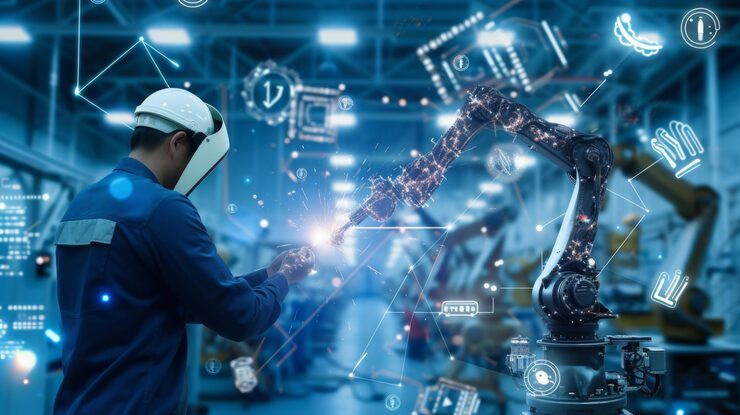
What an Industrial AI Integration Specialist Does and Why the Role Exists
Industrial AI integration specialists work at the intersection of manufacturing engineering, information technology, and data science. Their primary responsibility is to integrate AI models into existing industrial systems such as production lines, robotics, quality inspection units, and supply chain platforms.
The role exists to address the complexity of modern manufacturing environments. Unlike digital-only systems, factories operate with physical equipment, safety requirements, and strict reliability expectations. AI solutions must work seamlessly with programmable logic controllers, industrial sensors, and manufacturing execution systems.
Core responsibilities commonly include:
Assessing manufacturing processes suitable for AI integration
Connecting AI models with industrial control systems
Ensuring reliable data flow from sensors and machines
Validating AI outputs against production requirements
Supporting performance monitoring and system optimization
Through these activities, industrial AI integration specialists help manufacturing systems become more adaptive and data-informed.
Why Industrial AI Integration Specialists Matter Today
Industrial AI integration specialists play an important role because manufacturing is undergoing rapid digital transformation. Concepts such as smart factories, predictive maintenance, and intelligent quality control depend on effective AI deployment.
This role matters today because it supports:
Improved production efficiency through data-driven insights
Early detection of equipment issues using predictive analytics
Enhanced product quality through automated inspection
Better energy and resource utilization
Faster response to process variations and disruptions
Industries where this role is especially relevant include:
Automotive and transportation manufacturing
Electronics and semiconductor production
Heavy machinery and equipment manufacturing
Process industries such as chemicals and metals
Food and packaging manufacturing
By ensuring AI systems work reliably on the factory floor, these specialists help organizations move from experimental AI projects to stable industrial applications.
Recent Trends and Updates in Industrial AI Integration
Over the past year, the role of industrial AI integration specialists has evolved alongside advances in manufacturing technology. In 2025, several trends influenced how AI is applied in industrial settings.
Key developments include:
February 2025: Increased use of edge AI for real-time decision-making near production equipment
May 2025: Wider adoption of digital twins to simulate and optimize manufacturing processes
August 2025: Improved interoperability between AI platforms and industrial automation systems
November 2025: Growing focus on explainable AI to support transparency in industrial decisions
Another notable trend is the integration of AI with industrial internet of things (IIoT) platforms. This allows data from machines, sensors, and control systems to be analyzed more effectively, supporting predictive and prescriptive insights.
Manufacturers are also emphasizing reliability and safety, requiring AI systems to meet strict performance and validation standards.
Regulations, Policies, and Standards Influencing Industrial AI Roles
The work of industrial AI integration specialists is shaped by regulations and standards related to manufacturing safety, data usage, and automation.
Key regulatory and policy areas include:
Industrial safety regulations
Standards governing machine safety and operational reliability influence how AI systems interact with equipment.Data protection and governance rules
Guidelines on industrial data usage affect how production and operational data is collected and analyzed.Automation and quality standards
Manufacturing standards define acceptable levels of process control and product consistency.National AI and digital manufacturing initiatives
Government programs encourage responsible adoption of AI in industry through research, guidelines, and best practices.
In India, initiatives supporting smart manufacturing and digital industrialization influence how AI integration roles are defined and implemented.
Tools and Technologies Used by Industrial AI Integration Specialists
Industrial AI integration specialists work with a combination of manufacturing and data-focused tools.
Common tool categories include:
Industrial data platforms
Manufacturing execution systems (MES)
Industrial internet of things (IIoT) platforms
Data historians
AI and analytics tools
Machine learning frameworks
Computer vision libraries
Predictive analytics platforms
Automation and control systems
Programmable logic controllers (PLCs)
Supervisory control and data acquisition (SCADA) systems
Monitoring and validation tools
Performance dashboards
Model validation frameworks
System logging and alert tools
These tools help ensure AI solutions operate reliably within manufacturing environments.
Key Skills Required for Industrial AI Integration
Industrial AI integration specialists require a combination of technical and analytical skills.
| Skill Area | Focus | Purpose |
|---|---|---|
| Manufacturing systems | Process understanding | Practical AI deployment |
| Data analytics | Pattern recognition | Insight generation |
| Automation | System integration | Operational stability |
| AI models | Algorithm behavior | Predictive accuracy |
| Communication | Cross-team coordination | Effective implementation |
This skill blend allows specialists to translate AI concepts into operational manufacturing improvements.
Role of Industrial AI Integration in Manufacturing Operations
AI integration affects multiple manufacturing functions, including:
Predictive maintenance for equipment reliability
Automated quality inspection using vision systems
Process optimization and yield improvement
Production scheduling and resource planning
Energy consumption analysis
By embedding AI into these functions, manufacturing systems become more responsive and data-driven.
Frequently Asked Questions
What is the main role of an industrial AI integration specialist?
The main role is to integrate artificial intelligence systems with manufacturing equipment and processes to improve performance and decision-making.
How is this role different from a general AI specialist?
Industrial AI integration specialists focus on real-world factory environments, safety requirements, and operational reliability.
Do these specialists work directly with factory equipment?
Yes. They often collaborate with engineers and technicians to connect AI systems with machines and control systems.
Why is AI integration important in manufacturing?
AI integration helps improve efficiency, reduce downtime, enhance quality, and support predictive decision-making.
Is this role relevant for traditional manufacturing industries?
Yes. Both traditional and advanced manufacturing sectors increasingly use AI-enabled systems.
Challenges Faced in Industrial AI Integration
Common challenges addressed by industrial AI integration specialists include:
Integrating AI with legacy equipment
Ensuring data quality and consistency
Validating AI decisions for safety and reliability
Managing change within production teams
Aligning AI outcomes with business goals
Addressing these challenges requires both technical expertise and process understanding.
Industrial AI Integration and Sustainability
AI integration also supports sustainability goals in manufacturing by:
Reducing energy consumption through optimization
Minimizing material waste
Improving equipment lifespan
Supporting efficient resource utilization
These outcomes align industrial performance with environmental responsibility.
Future Outlook for Industrial AI Integration Specialists
The role of industrial AI integration specialists is expected to expand as manufacturing systems become more intelligent and interconnected. Future developments are likely to include:
Greater use of autonomous decision-support systems
Deeper integration of AI with robotics
Enhanced human–machine collaboration
Stronger emphasis on ethical and transparent AI
These trends highlight the growing importance of this role in shaping the future of manufacturing.
Conclusion
Industrial AI integration specialists play a critical role in modern manufacturing by connecting artificial intelligence technologies with real-world production systems. They exist to ensure that AI solutions function reliably, safely, and effectively within complex industrial environments.
Recent trends emphasize edge AI, explainable models, and closer integration with automation systems. Regulations and standards guide responsible implementation, while specialized tools support system monitoring and validation.
By understanding the role of an industrial AI integration specialist, readers gain insight into how modern manufacturing is evolving toward smarter, more adaptive, and data-driven operations.