Understanding Types of Scuba Diving: Basics, Insights, Advice, and Helpful Suggestions
Scuba diving is a method of underwater exploration that allows people to breathe underwater using a self-contained breathing apparatus. It exists to support underwater research, marine conservation, underwater photography, recreation, and advanced technical missions such as cave and wreck exploration. Scuba diving has developed into various categories because environments differ - some require deeper diving, some require training to handle overhead environments, and others focus on science or rescue practices.
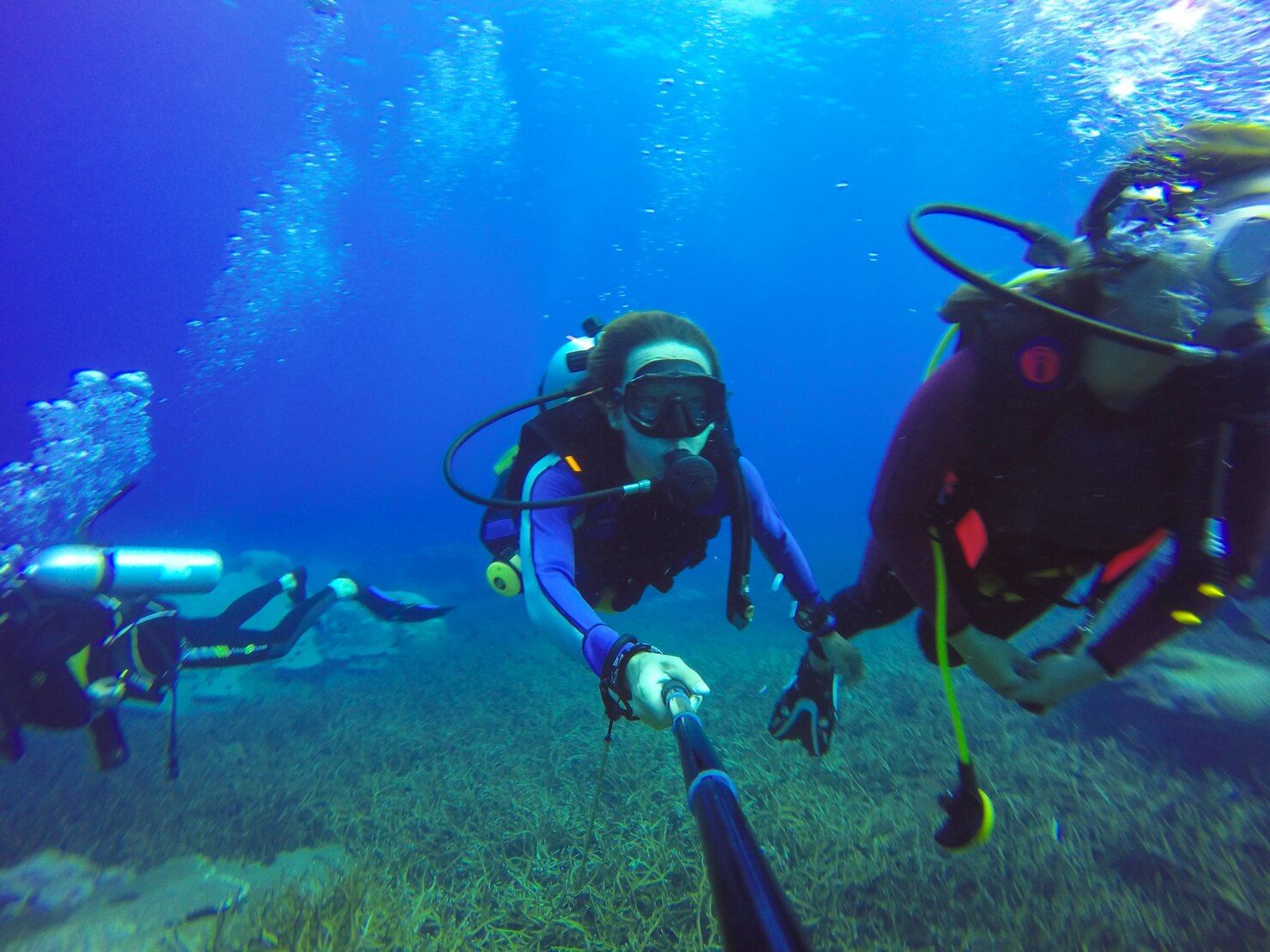 The main reason different types of scuba diving exist is that underwater conditions vary widely. Shallow coral reef environments are very different from deep shipwreck zones or submerged caves. Each type of diving uses specific techniques, safety procedures, and equipment to manage risk and make underwater exploration more accessible and structured.
Importance
Scuba diving matters today because it supports environmental awareness, scientific observation, and responsible adventure tourism. Millions of new divers begin training each year, contributing to global marine conservation movements and opportunities to document underwater ecosystems.
It affects a wide range of people:
-
Recreational divers who explore reefs, shallow wrecks, and coastal areas
-
Marine scientists who perform research, mapping, and species monitoring
-
Underwater photographers documenting marine biodiversity
-
Technical divers managing deep exploration and advanced systems
-
Rescue and emergency teams trained to handle underwater incidents
Scuba diving helps solve several key challenges:
-
Marine knowledge gaps through underwater research and ecological assessments
-
Environmental monitoring including coral bleaching, reef health, and pollution studies
-
Training and preparedness for underwater search and recovery
-
Safe exploration in environments that previously required specialized scientific missions
As ocean-related topics continue to rise in public interest, scuba diving provides insights into ecosystems that need protection, making it valuable for education and awareness.
Recent Updates
The past year has brought several notable trends and developments in scuba diving, including training standards, safety improvements, and environmental focus.
-
2024–2025 growth in recreational diving certifications reports increased participation, partly due to improved beginner-friendly training options and easy-to-understand digital learning modules.
-
AI-assisted dive planning tools expanded in 2025, helping divers predict currents, visibility, and local conditions more accurately. These tools support better pre-dive preparation through real-time marine data.
-
More attention to environmental scuba diving following 2024 reef restoration studies and global initiatives encouraging divers to participate in coral planting and underwater debris removal.
-
Technical diving advancements such as updated mixed-gas guidelines and new rebreather designs released in late 2024, aiming to improve monitoring and safety for deep dives.
-
Stronger focus on diver health research including studies from 2024 examining hydration, decompression behavior, and the impact of long-duration dives on circulation.
These updates reflect an overall shift toward safety, technology integration, and environmental responsibility.
Laws or Policies
Scuba diving is regulated differently in each country, but several common rules and policies shape how diving is practiced globally.
General Regulations Worldwide
-
Most countries require divers to follow internationally recognized training standards set by agencies such as PADI, SSI, NAUI, and CMAS.
-
Dive operators must maintain emergency action plans, oxygen kits, and certified staff according to local maritime or tourism rules.
-
Protected marine parks often require special permits for diving to protect ecosystems from disturbance.
-
Some regions regulate underwater photography, artifact interaction, wreck access, and wildlife contact to reduce environmental impact.
Country-Level Examples
-
Australia (Great Barrier Reef Marine Park Authority): Strict rules on reef access, anchoring, diver behavior, and species protection.
-
United States (NOAA & National Marine Sanctuaries): Regulations cover underwater archaeology, wreck preservation, and scientific diving requirements.
-
Thailand & Indonesia: Marine park authorities enforce policies on dive site capacity, coral protection, and ethical wildlife interaction.
-
Egypt (Red Sea Marine Parks): Limits on dive groups, mooring requirements, and standards for diving centers.
These policies ensure safe diving practices and protect underwater environments, making compliance essential for any diving activity.
Tools and Resources
Several helpful digital resources support scuba diving education, planning, safety, and environmental insights.
Educational and Planning Tools
-
DivePlanner Apps – Tools that help estimate dive times, depths, and decompression limits.
-
DAN (Divers Alert Network) – Safety guidelines, medical research, and emergency information.
-
NOAA Tides & Currents – Real-time data for coastal and offshore diving conditions.
-
Reef Identification Apps – Databases to help divers identify marine species.
-
Digital Logbook Apps – Track dives, locations, equipment notes, and environmental conditions.
Environmental and Mapping Tools
-
Global Coral Reef Monitoring Network – Updates on reef health and conservation efforts.
-
Marine Pollution Tracking Platforms – Tools used to monitor debris and report underwater waste.
-
Ocean Forecasting Tools – Provide visibility, temperature, swell, and current predictions.
Certifying Agencies for Learning
-
PADI
-
SSI
-
NAUI
-
CMAS
These organizations offer structured training materials, standards, and safety information that support beginner and advanced divers alike.
Types of Scuba Diving
The categories below summarize the most commonly recognized types of scuba diving and their primary characteristics.
Recreational Diving
This is the most common type and focuses on shallow, open-water environments such as coral reefs and coastal habitats. It emphasizes safety, comfort, and clear-learning progression.
Deep Diving
Involves exploring depths typically beyond 18 meters (60 feet). It requires additional training to manage nitrogen narcosis, gas planning, and safe ascent procedures.
Wreck Diving
Centers on exploring sunken ships and airplanes. Many wrecks are safely accessible, but deeper or enclosed wrecks require advanced overhead environment training.
Cave Diving
Uses specialized training and guidelines to navigate underwater caves. Cave environments involve permanent overhead ceilings, requiring rigorous safety protocols and equipment redundancy.
Drift Diving
Takes advantage of ocean currents to move with the water, allowing divers to cover larger distances with minimal effort.
Night Diving
Focuses on underwater exploration after dark using dive lights. Marine activity increases at night, making this type useful for observation.
Technical Diving
Includes advanced categories such as mixed-gas diving, rebreathers, and decompression dives. Technical diving extends depth and duration limits but requires extensive experience.
Example Table: Comparison of Common Scuba Diving Types
| Type of Diving | Depth Range | Environment | Training Level | Key Focus |
|---|---|---|---|---|
| Recreational | 5–18 m | Open water | Beginner | Exploration & safety |
| Deep Diving | 18–40 m | Open water | Intermediate | Depth management |
| Wreck Diving | 10–40+ m | Wreck sites | Intermediate | Structure exploration |
| Cave Diving | Varies | Submerged caves | Advanced | Navigation & safety |
| Drift Diving | Varies | Strong currents | Beginner/Intermediate | Movement with currents |
| Night Diving | 5–20 m | Open water | Beginner/Intermediate | Nocturnal marine life |
| Technical Diving | 40+ m | Deep or overhead | Advanced | Mixed gas & extended dives |
FAQs
1. Which type of scuba diving is best for beginners?
Recreational diving is the starting point for most beginners. It focuses on shallow, open-water environments that are safe for learning and do not involve complex environments.
2. How are deep diving and technical diving different?
Deep diving extends beyond basic depth limits, while technical diving involves specialized gas mixtures, rebreathers, and decompression procedures that allow much deeper and longer dives. Technical diving requires advanced training.
3. Do all countries require dive certification?
While laws vary, most countries strongly recommend or require certification through internationally recognized agencies. Dive operators generally require certification to participate.
4. What is the safest type of diving?
Recreational diving in clear, calm water is considered the safest because it uses direct ascent environments and standardized safety practices taught during entry-level training.
5. Can anyone do cave or wreck penetration diving?
These environments require advanced training because they involve overhead ceilings and specialized safety rules. Divers must complete dedicated courses before attempting these dives.
Conclusion
Understanding the types of scuba diving helps new and experienced divers make informed choices about training, environments, and safety. From recreational diving to advanced technical exploration, each category has its own purpose, procedures, and value. As global interest in marine conservation and underwater exploration increases, diving continues to provide essential insights into ocean environments. With proper training, adherence to regulations, and awareness of new developments, scuba diving remains a rewarding way to explore the underwater world responsibly and safely.

