Understanding Waste Sorting Equipment: Basics, Details, and Information
Waste sorting equipment refers to machines and systems designed to separate mixed waste into individual material streams such as paper, plastics, metals, glass, and organics. These systems exist to handle the growing volume and complexity of waste generated by households, businesses, and public spaces. As products and packaging become more diverse, manual separation alone is no longer sufficient. Waste sorting equipment brings consistency, speed, and accuracy to the early stages of waste management.
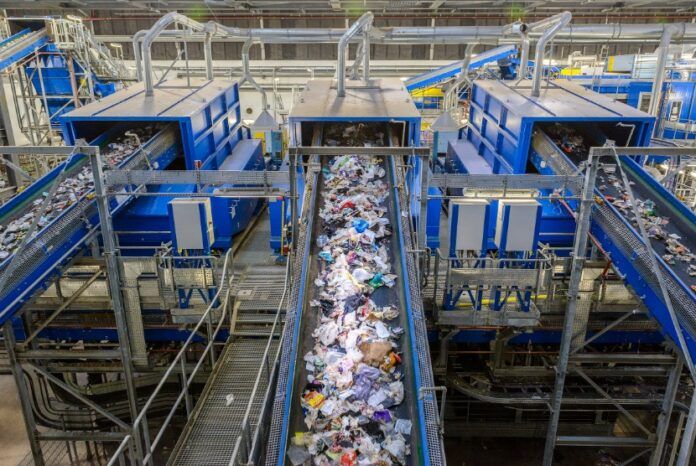
At its core, waste sorting equipment supports the idea that materials should be identified and separated before they are processed further. This includes separating recyclables from non-recyclables and isolating hazardous or organic fractions. The equipment is commonly used in material recovery facilities, transfer stations, and large-scale waste processing environments where mixed waste arrives in bulk.
Modern systems combine mechanical, optical, magnetic, and sensor-based methods. Together, these methods help transform unsorted waste into cleaner material streams that can move safely through downstream processes.
Importance
Waste sorting equipment matters because it directly affects how efficiently materials are recovered and how much waste ends up in landfills or open dumps. Poor sorting leads to contamination, which reduces recycling quality and increases environmental risk. Effective sorting improves material purity and supports safer handling.
This topic affects multiple groups:
-
Municipal authorities responsible for waste infrastructure
-
Industries that rely on secondary raw materials
-
Communities impacted by landfill overflow and pollution
-
Environmental agencies monitoring compliance and outcomes
Key problems addressed include:
-
High contamination rates in recycling streams
-
Limited landfill capacity due to mixed waste disposal
-
Worker safety risks from manual handling of hazardous items
-
Data gaps in understanding waste composition
By improving separation accuracy, waste sorting equipment reduces downstream processing strain and supports a more predictable waste management system. It also helps standardize outputs, which is important for planning and reporting.
Recent Updates
In recent months, waste sorting equipment has seen notable technical refinement. Automation has expanded beyond simple mechanical separation to include advanced sensing and data-driven controls. Systems increasingly rely on machine vision and pattern recognition to identify materials by shape, color, and composition.
Key trends observed recently include:
-
Wider use of AI-assisted sorting to adapt to variable waste streams
-
Improved optical sorting systems capable of distinguishing similar plastics
-
Compact modular units designed for space-limited facilities
-
Better dust and noise control features to improve workplace conditions
Another development is the integration of real-time monitoring dashboards. These allow operators to observe throughput, contamination levels, and equipment health without interrupting operations. The focus has shifted toward reliability, data transparency, and adaptability rather than sheer processing speed.
Laws or Policies
Waste sorting equipment is influenced by waste management rules and environmental regulations that define how waste must be handled. In many countries, policies emphasize segregation at source and recovery of recyclable materials. These policies indirectly shape equipment design by setting performance expectations.
Common regulatory influences include:
-
Mandatory segregation rules for recyclables and organics
-
Extended producer responsibility programs requiring material tracking
-
Environmental compliance standards for emissions, dust, and noise
-
Reporting requirements for recovered material volumes
Government programs often promote standardized sorting categories, which encourages the use of equipment capable of consistent classification. Compliance-focused audits also push facilities to adopt systems that provide measurable and auditable outputs.
Tools and Resources
A range of tools and resources support understanding and operating waste sorting equipment. These are informational and operational aids rather than commercial offerings.
Helpful resources include:
-
Waste composition analysis templates used to map incoming material streams
-
Throughput calculators to estimate sorting capacity based on input volume
-
Equipment performance dashboards that visualize separation accuracy
-
Training simulators for operator skill development
-
Regulatory guidance documents outlining acceptable sorting practices
Below is an example table showing common sorting methods and the materials they target:
| Sorting Method | Primary Detection Principle | Typical Materials |
|---|---|---|
| Magnetic separation | Magnetic attraction | Ferrous metals |
| Eddy current separation | Induced electrical currents | Non-ferrous metals |
| Optical sorting | Light reflection and absorption | Plastics, paper |
| Air classification | Density and airflow | Light vs. heavy fractions |
These tools help stakeholders evaluate system performance and align operations with policy expectations.
How Waste Sorting Equipment Works
Most waste sorting systems follow a staged process where materials are separated step by step. Each stage removes a specific fraction to reduce complexity for the next stage.
Typical process stages include:
-
Pre-sorting to remove oversized or hazardous items
-
Mechanical separation using screens and conveyors
-
Sensor-based identification for detailed material recognition
-
Final quality control to reduce contamination
This layered approach improves overall accuracy and keeps system performance stable even when input waste quality varies.
FAQs
What types of waste can be handled by sorting equipment?
Most systems handle mixed municipal waste, packaging waste, and dry recyclables. Specialized configurations can also address organics or industrial waste streams.
Is waste sorting equipment fully automated?
Many systems are highly automated, but manual oversight is still used for quality control and exception handling. Automation reduces routine handling rather than replacing supervision entirely.
How does sorting improve recycling outcomes?
Accurate sorting lowers contamination, which improves material quality and makes downstream processing more efficient and predictable.
Does sorting equipment help with environmental monitoring?
Yes. Modern systems generate data on material types and quantities, which supports reporting, planning, and environmental assessments.
Can one system handle all waste types?
No single system fits every scenario. Equipment is usually configured based on waste composition, volume, and regulatory requirements.
Conclusion
Waste sorting equipment plays a foundational role in modern waste management. By separating mixed waste into defined material streams, it supports safer handling, better data collection, and more consistent downstream processing. Advances in automation and sensing continue to improve accuracy and adaptability, while regulatory expectations shape how systems are designed and operated.
Understanding the basics of waste sorting equipment helps communities, operators, and policymakers make informed decisions about waste infrastructure. Clear separation is not only a technical task but also a practical step toward more responsible material management.

