Urban Air Mobility Vehicles – An Overview of Next-Generation Transportation
Urban Air Mobility Vehicles, often shortened to UAM vehicles, refer to a new class of aircraft designed for short-distance travel within and between cities. These vehicles typically operate at low altitudes and are built to transport people or goods over congested urban areas. Most designs focus on electric or hybrid propulsion and vertical takeoff and landing capabilities, allowing them to use small spaces instead of long runways.
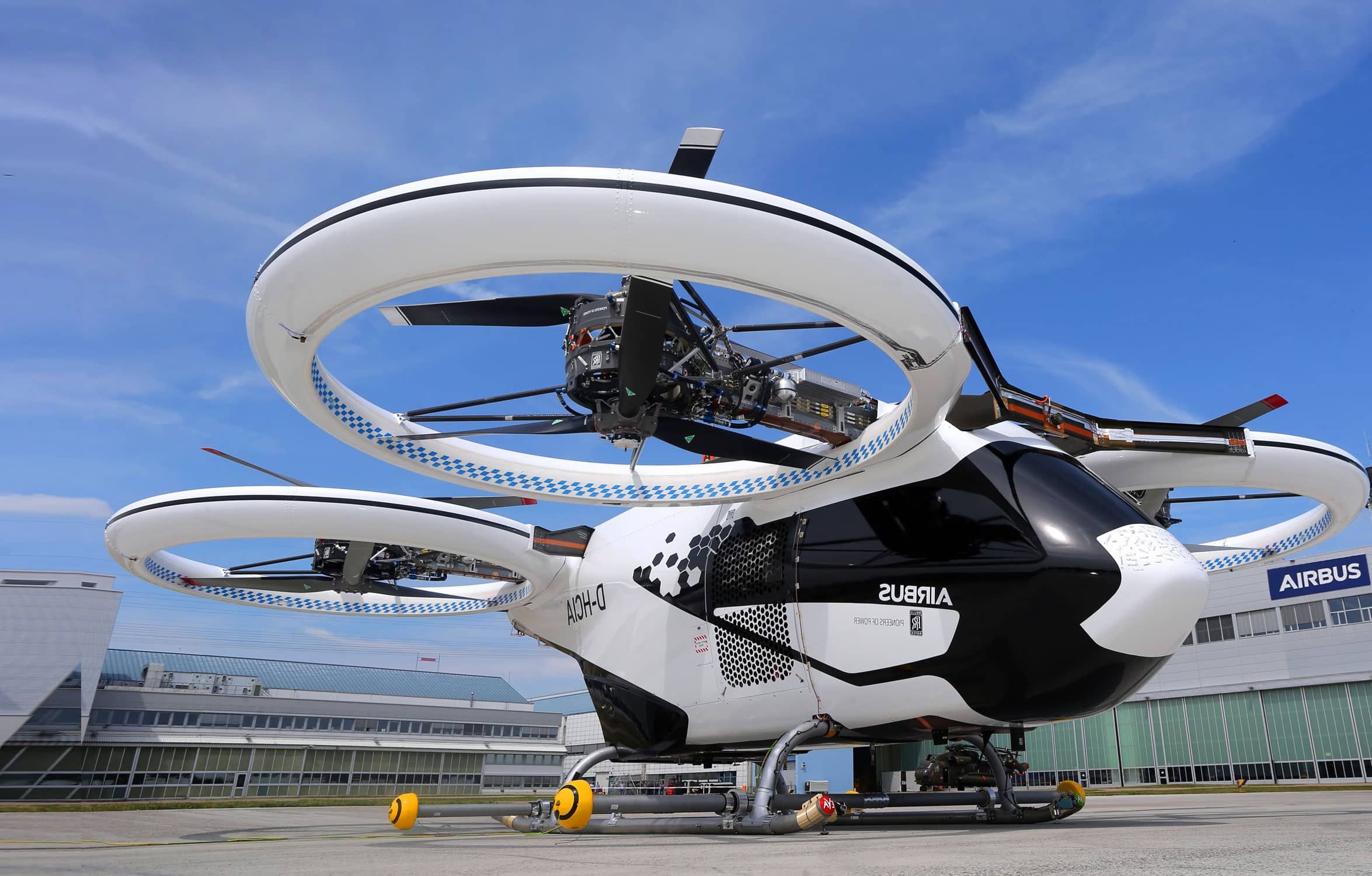 The concept of urban air mobility exists because cities continue to grow faster than ground transportation systems can expand. Roads, highways, and rail networks face physical and environmental limits. As daily travel times increase, planners and engineers have begun exploring the use of airspace above cities as an additional transportation layer.
Urban air mobility is not intended to replace existing transport systems. Instead, it aims to complement them by handling specific travel needs such as short intercity routes, emergency response, time-sensitive logistics, and future passenger movement in dense metropolitan regions.
Importance: Why Urban Air Mobility Matters Today
Urban air mobility vehicles matter because they address several challenges that modern cities face at the same time.
One of the biggest problems is traffic congestion. In many large cities, travel times are unpredictable and often increase each year. Ground infrastructure expansion is slow and expensive, while urban airspace remains largely unused for daily transportation.
Another important factor is environmental pressure. Traditional transportation systems rely heavily on fossil fuels and contribute significantly to air pollution and noise. Many urban air mobility designs focus on electric propulsion, which supports broader goals related to emissions reduction and sustainable transportation planning.
Urban air mobility also affects a wide range of groups:
-
Daily commuters who travel between business districts and residential zones
-
Emergency services that require faster response times
-
City planners seeking long-term mobility solutions
-
Technology developers working on advanced aviation systems
-
Policymakers responsible for transportation safety and airspace management
Problems that urban air mobility aims to solve include:
-
Limited road capacity in dense cities
-
Long travel times for short distances
-
Inefficient use of urban airspace
-
Dependence on ground-based infrastructure
-
Growing demand for flexible transportation options
By addressing these challenges, urban air mobility vehicles are becoming a key topic in future transportation research and infrastructure planning.
Recent Updates: Technology and Industry Developments
Over the past twelve months, urban air mobility development has focused strongly on testing, certification preparation, and infrastructure planning rather than public deployment. Several manufacturers have completed additional flight tests for electric vertical takeoff and landing aircraft, demonstrating improved battery efficiency, flight stability, and noise reduction.
Battery technology has seen noticeable progress, with higher energy density allowing longer flight durations and safer operating margins. At the same time, software systems for autonomous flight assistance and air traffic integration have advanced through simulation-based testing and controlled demonstrations.
Urban planners and aviation authorities have also been working together on concepts for vertiports, which are small-scale facilities designed for takeoff, landing, passenger handling, and vehicle charging. These facilities are being studied for integration with existing transport hubs such as metro stations, airports, and business centers.
Another recent trend is the increased focus on cargo-focused urban air mobility. Logistics operators are evaluating aerial transport for medical supplies, critical components, and time-sensitive deliveries where speed and reliability are more important than volume.
Overall, recent activity shows a shift from concept design toward practical system readiness, with safety validation and regulatory alignment becoming the main priorities.
Laws or Policies: How Regulations Shape Urban Air Mobility
Urban air mobility vehicles operate within a highly regulated environment because they share airspace with traditional aircraft and operate close to populated areas. Aviation authorities play a central role in determining how and when these vehicles can be used.
Key regulatory areas include:
-
Aircraft certification standards for new vehicle designs
-
Pilot licensing or remote operator qualification
-
Air traffic management integration
-
Noise and environmental compliance
-
Safety requirements for urban operations
In many countries, civil aviation authorities have introduced special regulatory frameworks tailored to electric and vertical takeoff aircraft. These frameworks aim to balance innovation with public safety by allowing controlled testing while maintaining strict operational limits.
Governments are also involved through national mobility strategies and smart city programs. These initiatives often include funding for research, urban planning studies, and collaboration between public agencies and private developers.
Local governments influence urban air mobility through zoning rules, land-use planning, and infrastructure permissions. Decisions about where vertiports can be located directly affect how viable urban air mobility becomes in a specific city.
Regulation is expected to remain a defining factor in how quickly urban air mobility transitions from experimental systems to everyday transportation options.
Tools and Resources: Helpful Platforms and Systems
Several tools and resources support research, planning, and evaluation in the urban air mobility ecosystem. These tools focus on analysis, modeling, and decision-making rather than commercial activity.
Commonly used resources include:
-
Urban airspace simulation software for traffic flow analysis
-
Noise modeling tools to assess community impact
-
Battery performance calculators for electric aircraft design
-
Geographic information systems for vertiport site planning
-
Safety assessment frameworks for low-altitude aviation
Government agencies and academic institutions often use scenario modeling platforms to study how urban air mobility vehicles would interact with existing transportation systems. These tools help estimate travel time reduction, energy usage, and airspace capacity under different conditions.
Data-driven planning tools are particularly important because urban air mobility introduces new variables that cities have not previously managed at scale.
Key Characteristics of Urban Air Mobility Vehicles
Urban air mobility vehicles share several defining features that distinguish them from traditional aircraft.
-
Vertical or short takeoff and landing capability
-
Electric or hybrid propulsion systems
-
Short-range operational focus
-
Advanced automation and flight control software
-
Emphasis on low noise output
These characteristics allow the vehicles to operate in dense urban environments while minimizing disruption to surrounding communities.
Comparison Table: Traditional Transport vs Urban Air Mobility
| Feature | Ground-Based Transport | Urban Air Mobility Vehicles |
|---|---|---|
| Operating space | Roads and rail lines | Low-altitude urban airspace |
| Infrastructure needs | High land usage | Compact vertiports |
| Travel speed | Variable due to traffic | More predictable routes |
| Environmental impact | Higher emissions | Lower emissions potential |
| Scalability | Limited by land | Dependent on airspace rules |
This comparison highlights why urban air mobility is being explored as a complementary option rather than a replacement for existing systems.
FAQs: Common Questions About Urban Air Mobility
What is the main purpose of urban air mobility vehicles?
The main purpose is to improve mobility within and between cities by using low-altitude airspace to reduce travel time and congestion.
Are urban air mobility vehicles safe for cities?
Safety is a primary focus of development, with strict testing, certification, and operational limits designed to protect passengers and people on the ground.
Do these vehicles operate autonomously?
Many designs include advanced automation, but human oversight remains an important part of current operational concepts.
How do urban air mobility vehicles affect the environment?
Electric propulsion and optimized flight paths can reduce emissions and noise compared to traditional transportation methods.
Will urban air mobility replace public transport?
No. Urban air mobility is intended to complement existing systems by addressing specific travel needs that ground transport cannot efficiently serve.
Conclusion: Understanding the Role of Urban Air Mobility
Urban air mobility vehicles represent an important development in next-generation transportation planning. They exist because cities face growing pressure on roads, environmental systems, and travel efficiency. By using airspace more effectively, these vehicles offer new possibilities for short-distance travel, emergency response, and logistics support.
Their importance lies not only in technology but also in how they reshape thinking about urban movement. Progress in this field depends on careful regulation, realistic planning, and continued collaboration between engineers, policymakers, and city authorities.
As research and testing continue, urban air mobility remains a forward-looking solution that highlights how transportation systems may evolve to meet the demands of increasingly complex urban environments.

