Warehouse Automation Systems: Complete Guide to Basics, Technology, Benefits, and Modern Logistics Insights
Warehouse automation systems refer to technologies designed to streamline warehouse operations such as inventory movement, storage, sorting, and tracking. These systems integrate warehouse management software, robotic picking systems, automated storage solutions, supply chain analytics platforms, and inventory optimization technology to improve efficiency and accuracy.
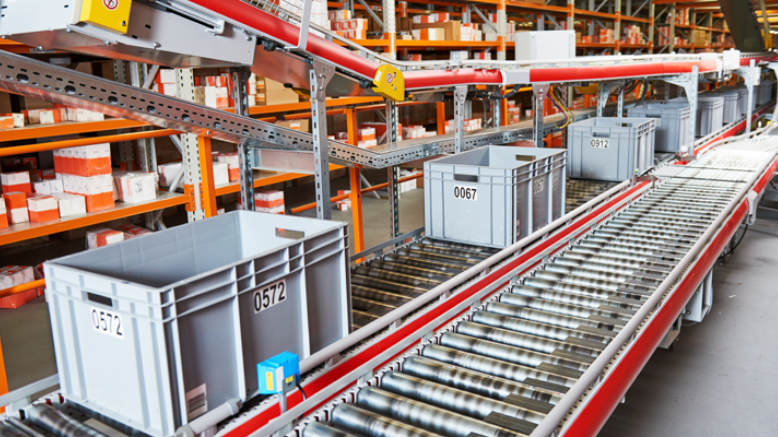
Traditional warehouses relied heavily on manual labor for storing, retrieving, and managing inventory. As global supply chains expanded and e-commerce logistics networks grew more complex, warehouses required faster and more reliable methods to process goods. Automation systems emerged to address these challenges.
Today, warehouses often combine automated storage and retrieval systems (ASRS), robotic warehouse systems, automated conveyor technology, AI-driven logistics platforms, barcode scanning infrastructure, and warehouse inventory tracking software. These technologies help coordinate large volumes of products moving through distribution centers.
Modern warehouse automation focuses on several operational components:
• Automated product storage and retrieval
• Robotic picking and sorting systems
• Inventory monitoring through digital tracking
• Real-time warehouse analytics and reporting
• Optimized order fulfillment workflows
Warehouse automation systems are commonly used in industries such as e-commerce logistics, manufacturing supply chains, retail distribution networks, pharmaceutical logistics centers, and cold storage facilities. As businesses process higher order volumes, automated warehouse infrastructure supports faster and more accurate operations.
Why Warehouse Automation Systems Matter in Modern Supply Chains
Global supply chains now operate at a speed and scale that traditional warehouse methods struggle to support. Warehouse automation technology helps logistics networks maintain efficiency while managing rising demand.
Several factors explain the growing importance of automation in warehouses.
Growth of e-commerce logistics
Online shopping has significantly increased the number of small orders moving through warehouses. Automated picking systems and intelligent warehouse management software allow distribution centers to process orders rapidly while maintaining accuracy.
Inventory visibility and tracking
Modern warehouses rely on inventory tracking systems, RFID warehouse technology, and automated stock monitoring tools to maintain accurate inventory records. This improves supply chain transparency and helps prevent stock mismatches.
Operational efficiency
Automation reduces repetitive manual tasks such as sorting packages or transporting pallets. Technologies like robotic material handling systems and automated conveyor systems streamline product movement inside facilities.
Space utilization
High-density storage solutions such as automated storage and retrieval systems allow warehouses to maximize vertical space. These systems improve warehouse capacity without expanding the physical footprint.
Data-driven logistics management
Automation platforms generate operational data that can be analyzed through warehouse analytics software, supply chain optimization platforms, and predictive inventory planning tools.
The benefits often associated with warehouse automation systems include:
• Faster order processing
• Reduced operational errors
• Improved warehouse safety
• Enhanced inventory accuracy
• Greater scalability for logistics networks
These improvements are particularly valuable for industries that depend on rapid product movement, including retail distribution, manufacturing supply chains, and pharmaceutical storage systems.
Recent Developments and Technology Trends in Warehouse Automation
Warehouse automation technology continues to evolve as logistics networks adopt advanced digital tools. Several trends have emerged recently across global distribution centers.
AI-powered warehouse management systems
Artificial intelligence is increasingly used in warehouse operations. AI algorithms analyze data from warehouse management software to predict demand patterns, optimize inventory placement, and improve order routing.
Autonomous mobile robots (AMRs)
Autonomous mobile robots are becoming common in modern warehouses. These robots transport goods across warehouse floors while navigating dynamically using sensors and mapping technology.
Robotic picking systems
Advanced robotic arms are now capable of picking and sorting a wide variety of products. Machine vision technology allows robots to recognize product shapes and handle items carefully.
Micro-fulfillment centers
Urban logistics strategies increasingly use compact automated warehouses located closer to customers. These micro-fulfillment centers rely heavily on automation to manage high order volumes within smaller spaces.
Integration with supply chain analytics platforms
Warehouse automation systems now connect directly with enterprise logistics platforms. This integration enables real-time monitoring of inventory levels, order processing speeds, and shipment performance.
The following table summarizes key technologies commonly used in warehouse automation environments.
| Warehouse Technology | Function in Logistics Operations |
|---|---|
| Warehouse Management Software | Coordinates inventory tracking and order processing |
| Automated Storage and Retrieval Systems | Stores and retrieves products automatically |
| Autonomous Mobile Robots | Transport inventory across warehouse floors |
| Conveyor Automation Systems | Move packages between workstations |
| Robotic Picking Systems | Select and sort products during fulfillment |
| RFID Inventory Tracking | Provides real-time inventory visibility |
Another way to visualize warehouse automation is through the operational workflow shown below.
Warehouse Process Flow in Automated Systems
Receiving Inventory → Automated Storage → Digital Inventory Tracking → Robotic Picking → Sorting Systems → Order Packaging → Distribution
Each step uses specialized automation technologies to ensure consistent operations across large logistics facilities.
Policies and Regulations Affecting Warehouse Automation Systems
Warehouse automation systems operate within regulatory frameworks that address workplace safety, equipment standards, and data management.
In many countries, logistics automation technologies must comply with industrial safety regulations, workplace automation standards, and equipment certification rules. These policies are designed to ensure that automated machinery operates safely in environments where human workers may still be present.
Common regulatory areas affecting warehouse automation include:
Workplace safety guidelines
Automation equipment such as robotic systems, automated conveyors, and high-density storage units must follow industrial safety standards to prevent accidents.
Machine safety certification
Automated warehouse machines often require certification to verify that they meet technical and safety requirements before being deployed in logistics facilities.
Data protection rules
Warehouse automation systems rely heavily on digital platforms that track inventory and operational data. These systems must comply with data protection regulations that govern how operational information is stored and processed.
Industrial automation policies
Some governments promote automation in manufacturing and logistics through industrial modernization initiatives. These programs encourage adoption of digital technologies such as robotics and smart logistics platforms.
Compliance with these policies ensures that warehouse automation systems operate responsibly within national regulatory frameworks.
Tools and Digital Resources Used in Warehouse Automation
Warehouse automation relies on a combination of hardware technologies and digital platforms that coordinate operations.
Common tools used in automated warehouse environments include:
Warehouse management platforms
These systems track inventory, manage order processing, and coordinate warehouse workflows.
Inventory optimization software
Inventory analytics tools help forecast demand patterns and maintain balanced stock levels across distribution centers.
Robotics management platforms
These platforms control robotic systems such as automated guided vehicles and robotic picking arms.
Supply chain analytics dashboards
Logistics analytics software provides visual reports that help managers monitor warehouse performance.
Barcode and RFID tracking systems
Digital scanning infrastructure tracks product movement within warehouses, improving inventory accuracy.
The following table highlights commonly used digital systems within automated warehouses.
| Tool Category | Operational Purpose |
|---|---|
| Warehouse Management Systems | Inventory tracking and order coordination |
| Robotics Control Platforms | Manage robotic warehouse operations |
| Supply Chain Analytics Tools | Monitor logistics performance |
| Inventory Forecasting Software | Predict stock requirements |
| Barcode and RFID Systems | Track product movement |
These tools work together to create an integrated warehouse automation environment where physical operations and digital systems operate simultaneously.
Frequently Asked Questions About Warehouse Automation Systems
What is the main purpose of warehouse automation systems?
Warehouse automation systems aim to streamline logistics operations by using technologies such as robotic handling systems, automated storage solutions, and warehouse management software to improve efficiency and accuracy.
Which industries commonly use warehouse automation technology?
Industries that handle large product volumes frequently adopt automation. These include e-commerce logistics, retail distribution, manufacturing supply chains, pharmaceutical storage, and cold chain logistics facilities.
What technologies are typically included in automated warehouses?
Automated warehouses often use robotic picking systems, autonomous mobile robots, automated storage and retrieval systems, conveyor automation technology, inventory tracking platforms, and warehouse analytics software.
How does warehouse automation improve inventory management?
Automation systems use digital tracking technologies such as barcode scanning and RFID sensors. These tools provide real-time visibility into stock levels, helping warehouses maintain accurate inventory records.
Does warehouse automation replace human workers entirely?
Most automated warehouses still involve human workers who supervise operations, manage system maintenance, and handle tasks that require judgment or flexibility. Automation typically assists workers rather than fully replacing them.
Conclusion
Warehouse automation systems represent a significant advancement in logistics and supply chain management. By integrating technologies such as robotic warehouse systems, automated storage solutions, warehouse management software, and inventory analytics platforms, modern warehouses can process products more efficiently while maintaining accurate inventory records.
As global trade and e-commerce networks continue to expand, warehouses must handle higher volumes of goods while maintaining operational precision. Automation technologies provide the infrastructure needed to support these demands.
Future developments in artificial intelligence, robotics, and supply chain analytics are likely to further transform warehouse operations. Understanding how warehouse automation systems function helps businesses, logistics professionals, and technology observers better appreciate the role automation plays in modern distribution networks.

