Welding Automation Machines Explained: Information, Resources, and Expert Insights
Welding automation machines refer to mechanical or robotic systems designed to perform welding tasks with minimal human intervention. These machines emerged from the need for consistent weld quality, greater efficiency, and improved workplace safety in industrial environments. Industrial welding automation became more prominent with the rise of mass manufacturing, large-scale metal fabrication, and technological advancements in robotic engineering.
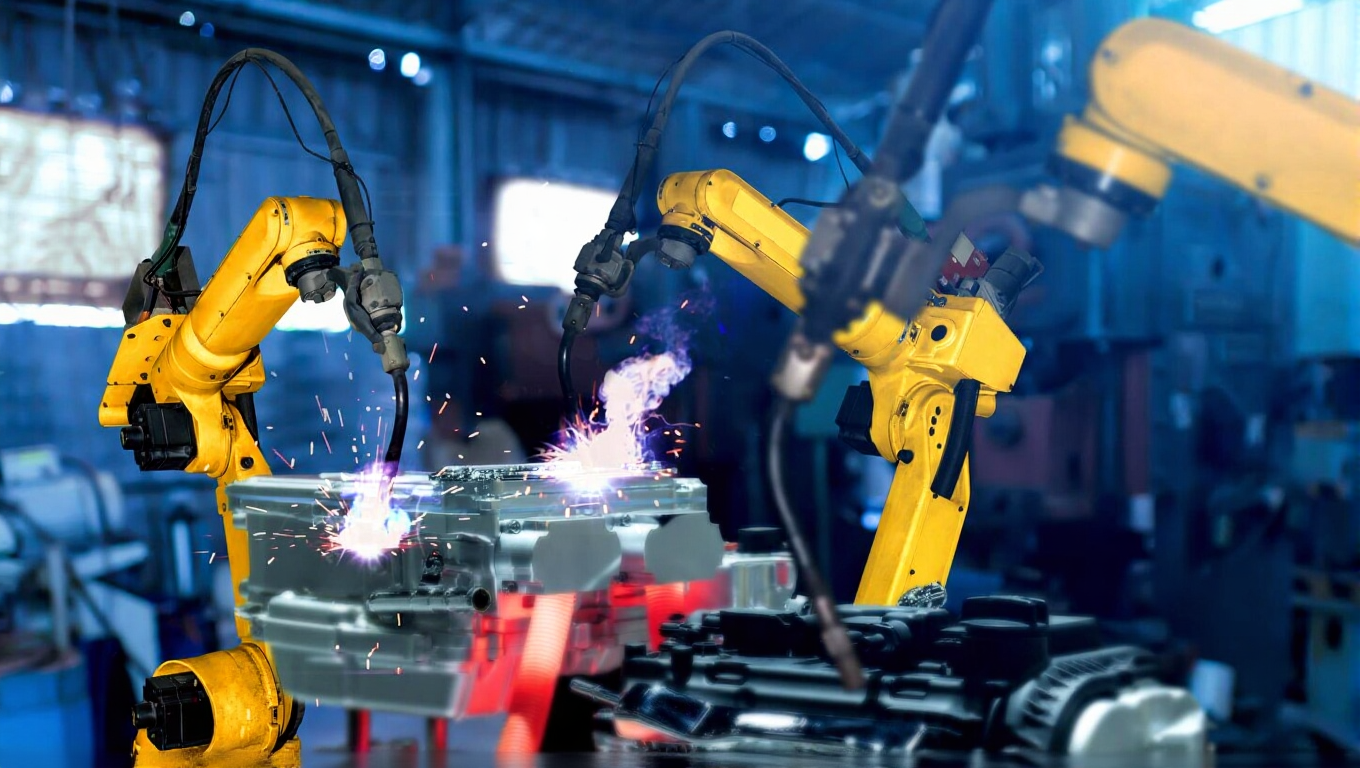
These systems include robotic welding arms, automated welding lines, programmable welding cells, and advanced controllers that manage precision, speed, and consistency. The concept exists to streamline repetitive welding tasks, reduce human fatigue, and support production environments that require uniform accuracy.
As industries shifted toward digital manufacturing and connected operations, the role of welding automation machines expanded to include data-driven monitoring, adaptive controls, and real-time diagnostics. Today, these machines form an essential part of industrial automation technologies used in automotive production, construction equipment fabrication, shipbuilding, aerospace components, and various heavy-engineering applications.
Importance
Welding automation matters because it directly influences product durability, structural integrity, and workplace safety. In many industries, even small welding inconsistencies can affect the strength and lifespan of welded assemblies. Automated machines help solve this challenge by delivering stable heat control, continuous weld patterns, and predictable results.
These systems benefit a wide group of users:
-
Manufacturers seeking higher accuracy and reduced rework.
-
Safety managers aiming to lower exposure to heat, fumes, and repetitive strain.
-
Engineers and technicians working on advanced fabrication planning.
-
Industrial planners integrating smart manufacturing and data-driven operations.
Welding automation also addresses common industrial problems:
-
Variations in weld quality caused by fatigue or manual error.
-
The need for controlled and consistent welding parameters.
-
Demand for faster production cycles without compromising structural quality.
-
Requirement for detailed tracking, documentation, and process traceability.
In modern facilities, automated welding contributes to sustainability goals by minimizing material waste, reducing energy consumption, and enabling optimized welding paths. These are essential considerations for environmentally responsible fabrication and manufacturing workflows.
Recent Updates
Over the past year, welding automation has experienced notable advancements due to improvements in robotics, artificial intelligence, and industrial digitalization.
Trend Highlights from 2023–2024
-
Adaptive welding intelligence (2024): More robotic welding systems now incorporate adaptive arc monitoring and automated parameter correction. These systems adjust torch angles, voltage, and speed based on real-time weld pool feedback.
-
Rise of collaborative welding robots (2023–2024): Cobots designed specifically for welding grew in adoption, especially in mid-scale fabrication facilities. Their ease of programming and safety features allow closer human-robot interaction.
-
Industry 4.0 integration: Many systems released in 2024 include cloud-enabled weld analytics dashboards, offering data visualization and predictive maintenance tools.
-
Energy-efficient welding technologies: Newer automated systems focus on efficient inverter-based power supplies, supporting reduced energy consumption while maintaining weld penetration and stability.
-
Enhanced safety features: Improvements such as automated fume extraction integration and thermal control mechanisms were seen across several newly released machines.
These updates show a clear move toward smarter, safer, and more efficient welding environments. The trend aligns with broader industrial digitalization and the need for improved operational consistency.
Laws or Policies
Regulations affecting welding automation vary by country, but most regions maintain structured standards focused on safety, workplace conditions, and equipment compliance. Because automation machines involve heat, fumes, robotics, and electrical systems, regulatory frameworks ensure proper usage, installation, and operator awareness.
Common regulatory considerations include:
-
Workplace Safety Standards: Most countries follow guidelines similar to OSHA-style safety rules, emphasizing operator protection, safe robot operation, proper ventilation, and controlled automation zones.
-
Welding Procedure Specifications (WPS): Standardized guidelines define acceptable welding parameters for automated and manual processes to maintain structural reliability.
-
Robotic Machinery Rules: Electrical safety, programming protocols, and emergency stop requirements apply to welding robots and automated cells.
-
Fume Exposure Regulations: Many governments emphasize monitoring welding fume exposure levels using approved extraction and ventilation systems.
-
Factory Automation Compliance: Industrial automation systems must meet national and international standards related to risk assessments, power supply conditions, and machine safeguarding.
These policies support safe operation, reduce workplace hazards, and ensure that welded components meet structural expectations.
Tools and Resources
A variety of tools, resources, and reference platforms support users who want to understand welding automation. These resources provide technical information, welding calculators, guidelines, and engineering support for automated fabrication.
Helpful Tools
-
Welding Heat Input Calculators
Used for estimating heat affected zones and parameter selection for automated welding. -
Weld Strength Estimation Tools
Provide approximate tensile strength, penetration, and weld integrity values. -
Arc Voltage and Current Calculators
Assist in determining suitable power supply settings for automated processes. -
Weld Path Simulation Software
Helps visualize torch paths and identifies optimization opportunities.
Useful Websites and Platforms
-
Welding research organizations offering technical reports, safety guidelines, and automation information.
-
Engineering forums discussing real-world experiences with robotic welding systems.
-
Technical standards organizations providing downloadable welding procedure templates and compliance checklists.
-
Industrial automation blogs and publications offering trend analyses and expert insights relevant to welding machinery.
Learning Resources
-
Introductory guides on robotic welding fundamentals
-
Educational videos explaining welding arcs, sensors, and automated torch movement
-
Manufacturing case studies demonstrating automated welding applications
-
Digital welding handbooks covering process variables and quality control
These resources support both beginners and experienced professionals seeking structured knowledge.
Tables and Visual Aids
Table: Common Types of Welding Automation Machines
| Automation Type | Key Features | Typical Uses |
|---|---|---|
| Robotic Welding Arms | Programmable paths, repeatability, high speed | Automotive, heavy fabrication |
| Welding Positioners | Rotational control for complex parts | Pipe welding, structural fabrication |
| Automated Welding Lines | Continuous material flow, synchronized stations | Large-scale manufacturing |
| Welding Gantry Systems | Multi-axis movement, long weld seams | Shipbuilding, industrial tanks |
| Collaborative Welding Robots | Safe interaction with humans, simple programming | Medium-scale fabrication |
FAQs
1. What are welding automation machines used for?
They are used to perform welding tasks with consistent speed, accuracy, and control. They support high-volume production environments and help maintain uniform weld quality across large numbers of components.
2. Are welding automation machines only for large industries?
No. While large-scale plants use them extensively, smaller fabrication units also adopt collaborative welding robots and compact automated systems for precision-based tasks.
3. How do automated welding systems improve safety?
They reduce operators’ direct exposure to heat, ultraviolet radiation, fumes, and repetitive motion. Automated cells also include sensors, shielding, and controlled workflows designed for safer operations.
4. What skills are needed to work with welding automation?
Understanding welding fundamentals, basic programming skills, knowledge of automation controls, and familiarity with safety guidelines help in operating or supervising automated systems.
5. Do welding automation machines prevent welding defects?
They significantly reduce errors caused by inconsistent manual control, but monitoring and quality inspection remain essential. Automation supports stable parameters, precise torch movement, and continuous weld bead uniformity.
Conclusion
Welding automation machines have become an essential part of modern fabrication due to their accuracy, efficiency, and safety advantages. They help industries achieve reliable weld quality, consistent production rates, and improved workplace conditions. Recent innovations, including adaptive intelligence and Industry 4.0 integration, continue to reshape how welding tasks are planned, executed, and monitored.
With supportive regulations, evolving technology, and accessible learning tools, welding automation stands as a crucial component of industrial progress. Whether used in heavy engineering, automotive manufacturing, construction equipment production, or precision fabrication, these systems support long-term durability and operational stability. For anyone exploring modern industrial welding, understanding automation is foundational to future-ready manufacturing.

