Why Choose Neurology as a Specialization: An Overview to Explore Key Insights
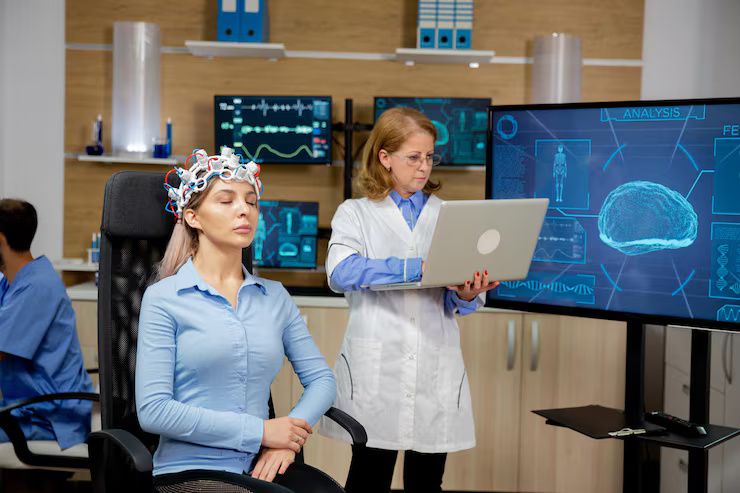
Neurology is a medical specialization focused on disorders of the brain, spinal cord, and nervous system. This field addresses conditions such as stroke, epilepsy, Parkinson’s disease, Alzheimer’s disease, multiple sclerosis, and nerve injuries. Neurology exists to understand how the nervous system functions and how neurological disorders affect movement, memory, speech, and overall quality of life.
Neurology is a medical specialization focused on disorders of the brain, spinal cord, and nervous system. This field addresses conditions such as stroke, epilepsy, Parkinson’s disease, Alzheimer’s disease, multiple sclerosis, and nerve injuries. Neurology exists to understand how the nervous system functions and how neurological disorders affect movement, memory, speech, and overall quality of life.
The nervous system controls nearly every function in the human body. Because of this, neurological care plays a central role in modern healthcare. Advances in brain imaging, diagnostic tools, and research methods have expanded the scope of neurology over time. Today, neurologists work in clinical care, research, education, and public health.
Neurology attracts medical professionals who are interested in complex problem-solving, long-term patient care, and scientific discovery. The field continues to grow as populations age and neurological conditions become more common worldwide.
Importance of Neurology in Modern Healthcare
Neurology matters because neurological disorders are a major global health concern. Conditions affecting the brain and nerves can lead to disability, cognitive decline, and reduced independence. Early diagnosis and proper neurological management help improve outcomes and reduce long-term complications.
Key reasons neurology is important today include:
-
Rising cases of stroke and dementia
-
Increasing life expectancy and age-related brain disorders
-
Growing awareness of mental and neurological health
-
Advances in neuroimaging and diagnostics
-
Expansion of neuroscience research
Neurological conditions affect people of all ages. Children may experience epilepsy or developmental disorders, while adults face risks such as stroke or neurodegenerative diseases. Neurologists help identify these conditions, guide treatment plans, and support rehabilitation.
Neurology also contributes to public health planning. Data from neurological research helps governments design prevention programs for stroke, head injuries, and chronic brain disorders.
Recent Updates and Trends in Neurology
In the past year, neurology has continued to evolve through technology, research, and updated clinical guidelines.
January 2025: Improved brain imaging tools enhanced early detection of neurological disorders
April 2025: Artificial intelligence supported faster scan interpretation
July 2025: New stroke management guidelines emphasized rapid response
October 2025: Expanded tele-neurology programs improved access to specialists
One major trend is the use of AI in neurological diagnostics. These systems help analyze MRI and CT scans more efficiently, supporting quicker clinical decisions.
Another development is the growth of remote neurological consultations. Tele-neurology helps patients in underserved areas receive expert assessments without long-distance travel.
Research in neurogenetics has also progressed. Scientists are identifying genetic links to conditions such as epilepsy and Alzheimer’s disease, supporting earlier risk assessment.Laws and Policies Affecting Neurology Practice
Neurology operates within strict healthcare regulations to ensure patient safety and ethical standards.
Key policy areas include:
-
Medical licensing regulations
Neurologists must meet national certification standards and continuous education requirements. -
Patient data protection laws
Brain imaging and neurological records are protected under healthcare privacy rules. -
Clinical practice guidelines
National and international neurological associations publish standardized treatment frameworks. -
Public health initiatives
Governments support stroke awareness, brain injury prevention, and dementia care programs.
In many countries, neurological research is regulated by ethical review boards. These bodies ensure that studies involving brain function, genetics, and imaging follow safety and consent guidelines.
Tools and Resources Used in Neurology
Neurology relies on advanced diagnostic and monitoring technologies.
Common tools include:
-
MRI scanners – Detailed brain imaging
-
CT scanners – Rapid stroke detection
-
EEG systems – Brain activity monitoring
-
EMG machines – Nerve function testing
-
Neuroimaging software – Data analysis
Supportive digital resources:
-
Electronic medical records
-
Clinical decision systems
-
Research databases
-
Rehabilitation planning tools
These tools help neurologists assess conditions accurately and track patient progress over time.
Subspecialties Within Neurology
Neurology includes several focused areas of practice.
| Subspecialty | Primary Focus |
|---|---|
| Stroke Neurology | Brain blood flow disorders |
| Epileptology | Seizure conditions |
| Neuroimmunology | Autoimmune brain diseases |
| Movement Disorders | Parkinson’s, tremors |
| Pediatric Neurology | Childhood neurological issues |
| Neurocritical Care | Intensive brain care |
These subspecialties allow neurologists to develop deeper expertise in specific neurological conditions.
Skills Required for Neurology Specialization
Neurology requires a combination of clinical knowledge and analytical ability.
Important skills include:
-
Strong diagnostic reasoning
-
Attention to detail
-
Patient communication
-
Research interpretation
-
Long-term care planning
Neurologists often manage complex cases where symptoms are subtle or overlapping. This makes critical thinking an essential part of daily practice.
Comparison With Other Medical Specializations
| Feature | Neurology | Cardiology | Orthopedics |
|---|---|---|---|
| Primary focus | Brain and nerves | Heart | Bones and joints |
| Diagnostic complexity | High | Moderate | Moderate |
| Long-term care | Common | Common | Variable |
| Research involvement | High | High | Moderate |
Neurology stands out for its focus on cognitive and functional outcomes, not just physical recovery.
Impact of Neurology on Patient Quality of Life
Neurological care directly affects how people think, move, speak, and remember. Effective neurological management helps:
-
Improve mobility
-
Restore speech
-
Enhance memory function
-
Support mental well-being
-
Reduce disability
Rehabilitation programs guided by neurologists support recovery after stroke, brain injury, or nerve damage.
Neurology and Research Contributions
Neurology plays a key role in medical research. Areas of focus include:
-
Brain aging
-
Neurodegenerative diseases
-
Brain injury recovery
-
Cognitive health
-
Genetic neuroscience
Research findings help improve diagnostic accuracy and treatment planning across healthcare systems.
Education and Training Path in Neurology
Neurology specialization requires structured medical training.
Typical stages include:
-
Medical degree
-
Clinical internship
-
Neurology residency
-
Subspecialty training (optional)
Continuous education is required to stay updated with new neurological research and guidelines.
Ethical Responsibilities in Neurology
Neurologists manage sensitive health information related to brain function and mental capacity.
Ethical priorities include:
-
Patient confidentiality
-
Informed consent
-
Transparent communication
-
Accurate diagnosis
-
Respect for patient autonomy
These principles protect patient rights and ensure responsible care.
Role of Technology in Neurology
Technology continues to reshape neurological practice.
Key innovations:
-
AI-assisted imaging analysis
-
Brain mapping software
-
Wearable neurological monitors
-
Digital rehabilitation tools
These systems improve diagnostic speed and treatment planning accuracy.
Public Health Importance of Neurology
Neurology supports national health goals by:
-
Reducing stroke-related disability
-
Improving dementia care planning
-
Supporting brain injury prevention
-
Promoting neurological awareness
Public education programs help people recognize early warning signs of neurological conditions.
Frequently Asked Questions
What makes neurology a unique medical specialization?
Neurology focuses on the brain and nervous system, which control most body functions and cognitive processes.
Is neurology mainly hospital-based?
Neurology includes hospital care, outpatient clinics, research, and rehabilitation settings.
Does neurology involve long-term patient care?
Many neurological conditions require ongoing monitoring and follow-up.
How does neurology contribute to medical research?
Neurology advances understanding of brain function, aging, and neurological disorders.
Are neurological disorders increasing globally?
Yes, aging populations and lifestyle factors have increased neurological disease prevalence.
Future Outlook for Neurology
Neurology is expected to grow as technology and research expand.
Future developments may include:
-
Precision neuroscience
-
Advanced brain imaging
-
Genetic risk assessment
-
AI-supported diagnostics
-
Personalized rehabilitation programs
These trends aim to improve early detection and long-term neurological outcomes.
Challenges in Neurology Practice
Neurology faces several challenges:
-
Complex diagnosis
-
Chronic disease management
-
Limited specialist availability
-
High patient care demands
Despite these challenges, continued innovation supports improved neurological care delivery.
Neurology and Multidisciplinary Care
Neurologists often work with:
-
Rehabilitation specialists
-
Speech therapists
-
Psychologists
-
Neurosurgeons
-
Primary care physicians
This team approach ensures comprehensive patient support.
Global Demand for Neurological Expertise
Neurological conditions are among the leading causes of disability worldwide. As awareness grows, healthcare systems increasingly prioritize neurological services, research, and education programs.
Conclusion
Neurology is a vital medical specialization that focuses on the brain, spinal cord, and nervous system. It addresses complex conditions that affect movement, cognition, and daily functioning. Advances in imaging technology, artificial intelligence, and neuroscience research have strengthened diagnostic accuracy and treatment planning.
Neurology plays an essential role in public health, medical research, and long-term patient care. Strict regulations and ethical standards ensure patient safety and data protection. With growing global demand and continuous innovation, neurology remains a key field in modern healthcare systems.
This specialization attracts medical professionals interested in scientific discovery, complex clinical reasoning, and improving quality of life for individuals with neurological conditions.

