Wood Chipper Rentals Overview: Important Details, Practical Help, and Usage Insights
Wood chipper rentals refer to temporary access to heavy-duty equipment designed to break down tree branches, yard debris, and wood waste into small chips. These machines are commonly used in landscaping, property maintenance, construction site clearing, and storm cleanup projects.
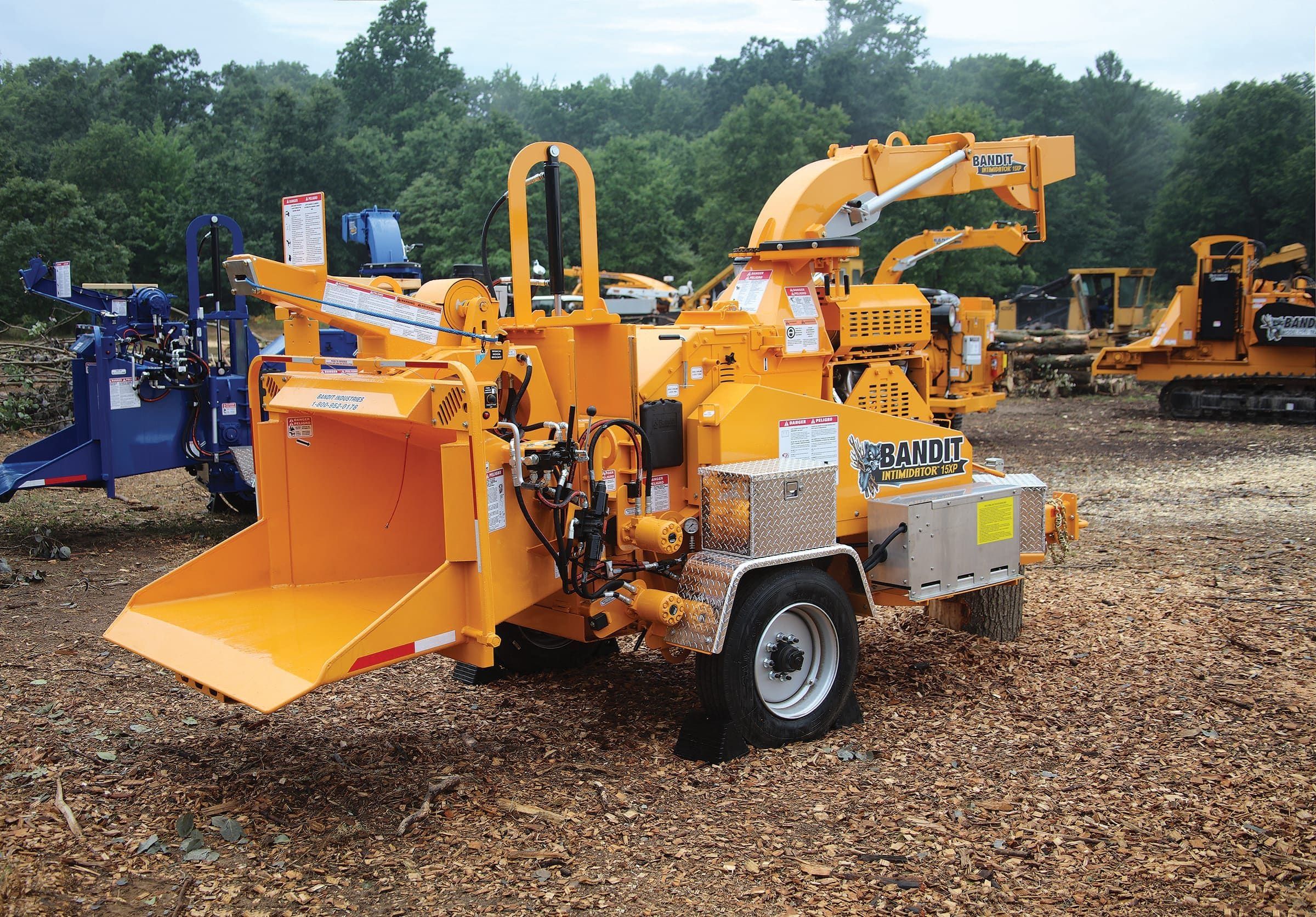
A wood chipper works by feeding branches into a chute where rotating blades or drums cut the material into uniform wood chips. These chips can then be used as mulch, compost material, or biomass fuel.
The concept of equipment rental exists because many individuals and small contractors do not require continuous access to industrial-grade machinery. Instead of owning high-powered landscaping equipment, temporary access allows people to complete short-term projects efficiently.
Wood chippers are available in different sizes, including:
-
Electric wood chippers for light residential debris
-
Gas-powered models for medium landscaping projects
-
Commercial-grade hydraulic feed chippers for large-scale land clearing
This flexibility makes wood chipper rentals relevant for homeowners, landscaping contractors, arborists, and municipal cleanup operations.
Importance
Wood chipper rentals matter today because property maintenance standards, environmental management, and landscaping expectations continue to increase. Communities often encourage proper yard waste disposal instead of burning or landfill dumping.
This topic affects:
-
Homeowners maintaining trees and large gardens
-
Landscaping professionals managing multiple properties
-
Construction teams clearing land before development
-
Municipal agencies handling storm debris
Wood chippers help solve several practical problems:
-
Reducing bulky yard waste into manageable material
-
Supporting sustainable landscaping through mulch production
-
Lowering landfill contributions
-
Improving site safety by clearing debris quickly
The environmental impact is also significant. Wood chips can improve soil moisture retention and reduce erosion when applied correctly. In some regions, biomass recycling programs encourage converting wood waste into renewable energy.
The following table outlines typical project types and recommended chipper categories:
| Project Type | Recommended Chipper Type | Typical Branch Size Capacity |
|---|---|---|
| Small yard cleanup | Electric chipper | Up to 1.5 inches |
| Medium landscaping project | Gas-powered chipper | 2–3 inches |
| Tree removal debris | Towable drum chipper | 4–6 inches |
| Land clearing operations | Commercial hydraulic chipper | 6+ inches |
Choosing the appropriate size is important for safety, efficiency, and fuel consumption management.
Recent Updates
In recent months, the equipment rental industry has experienced notable changes driven by environmental standards and technological improvements.
Manufacturers are increasingly introducing:
-
Low-emission engines that comply with updated environmental regulations
-
Noise-reduction technology for residential use
-
Enhanced blade durability using hardened steel alloys
-
Improved automatic feed control systems
Battery-powered heavy equipment has also gained attention in the broader construction and landscaping sector. While electric wood chippers remain mostly suitable for light-duty work, advancements in battery storage are gradually expanding their capabilities.
Insurance providers have also refined liability guidelines related to equipment use, especially for high-powered landscaping tools. Many rental agreements now emphasize operator safety training and equipment inspection documentation.
In addition, municipalities in various regions have updated waste management policies to promote composting and mulching over landfill disposal. This trend supports the growing use of wood chippers for on-site waste processing.
Laws or Policies
Wood chipper rentals are influenced by several regulations, depending on the country and local jurisdiction.
Key regulatory areas include:
Workplace Safety Regulations
Government agencies such as the Occupational Safety and Health Administration (OSHA) in the United States set safety guidelines for operating heavy machinery. Operators may need protective equipment such as:
-
Safety goggles
-
Hearing protection
-
Gloves
-
Close-fitting clothing
Environmental Compliance
Many countries regulate emissions from gas-powered engines. Equipment must meet environmental protection standards related to exhaust output and fuel efficiency.
Noise Control Ordinances
Local municipalities may enforce quiet hours, limiting when loud machinery can operate in residential zones.
Transportation and Towing Laws
For towable wood chippers, drivers must comply with road safety regulations, including:
-
Proper trailer hitch connections
-
Brake light functionality
-
Weight limits
-
Valid driving licenses
Waste Disposal Policies
Some regions classify chipped wood as organic recyclable material, while others may regulate disposal under specific waste categories.
Failure to follow these regulations can lead to penalties, so understanding local rules before operating heavy equipment is essential.
Tools and Resources
Several tools and digital platforms help individuals plan and manage wood chipper use effectively.
Equipment Capacity Calculators
Online calculators estimate branch volume and help determine appropriate chipper size.
Project Planning Templates
Printable yard cleanup checklists assist with safety preparation and debris assessment.
Fuel Consumption Estimators
These tools help forecast fuel usage for gas-powered chippers based on runtime.
Maintenance Logs
Tracking blade sharpening schedules and inspection intervals improves machine efficiency and reduces downtime.
Mobile Apps for Landscaping Management
Some apps assist contractors in organizing project timelines, equipment scheduling, and debris tracking.
The following chart shows a simplified workflow for safe operation:
| Step | Action |
|---|---|
| 1 | Inspect machine and safety guards |
| 2 | Wear protective gear |
| 3 | Clear work area of bystanders |
| 4 | Feed branches gradually, butt-end first |
| 5 | Monitor discharge chute direction |
| 6 | Shut down before maintenance checks |
Having structured preparation reduces risk and improves operational efficiency.
FAQs
What is the difference between a shredder and a wood chipper?
A wood chipper is designed primarily for solid branches and limbs, while a shredder processes leaves and softer garden waste. Some machines combine both functions.
How large of a branch can most rental chippers handle?
Residential models typically process branches up to 2–3 inches in diameter. Commercial units may handle 6 inches or more, depending on design specifications.
Is special training required to operate a wood chipper?
Formal certification may not always be required for residential use, but reading the manufacturer’s manual and following safety guidelines is strongly recommended. Commercial operators often undergo equipment safety training.
Can wood chips be reused effectively?
Yes. Wood chips are commonly used as mulch, erosion control material, compost input, or biomass fuel. Proper drying and storage improve usability.
What safety risks are associated with wood chippers?
Risks include entanglement, flying debris, noise exposure, and improper feeding techniques. Maintaining safe distance, using protective gear, and following operational instructions reduces hazards significantly.
Practical Usage Insights
To maximize performance and safety:
-
Avoid feeding wet or muddy branches, as debris can dull blades quickly
-
Trim branches into manageable lengths before processing
-
Keep hands clear of the feed chute at all times
-
Position the discharge chute away from people and structures
-
Conduct blade inspections after heavy usage
Weather conditions also matter. Operating equipment on stable, level ground reduces tipping hazards. During high humidity, drying wood chips before storage helps prevent mold development.
Efficiency increases when debris is sorted beforehand. Grouping branches by diameter reduces feeding interruptions and improves chip uniformity.
Environmental Considerations
Wood chipping contributes to sustainable landscaping practices. Instead of burning yard waste, which releases particulate matter into the air, chipping promotes recycling of organic material.
Benefits include:
-
Reduced landfill strain
-
Improved soil nutrient retention
-
Natural weed suppression when used as mulch
-
Lower carbon footprint compared to disposal transport
However, proper blade maintenance and fuel management are essential to minimize emissions and energy waste.
Conclusion
Wood chipper rentals provide a practical solution for managing yard debris, tree limbs, and land clearing waste without permanent equipment ownership. These machines play an important role in modern landscaping, environmental recycling, and construction site preparation.
Understanding equipment capacity, safety guidelines, environmental regulations, and proper usage techniques ensures effective operation. As emission standards and sustainability initiatives evolve, wood chipper technology continues to improve in efficiency and environmental performance.
Careful planning, adherence to safety regulations, and responsible waste management allow individuals and contractors to use wood chippers effectively while minimizing risk and environmental impact.

