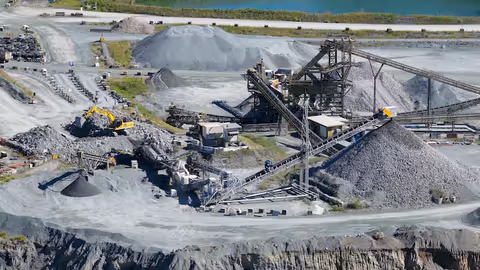
Asphalt Mixing Plant: Types, Components, Process and Applications Facts
An asphalt mixing plant is an industrial facility used to produce asphalt mixtures for road construction and pavement applications. It combines aggregates such as crushed stone, gravel, and sand with asphalt binder in controlled proportions. The finished mixture is transported to construction sites for paving and compaction.
What Is an Asphalt Mixing Plant?
An asphalt mixing plant brings together several processing systems to heat, dry, measure, and mix construction materials. The plant is designed to maintain consistent proportions and temperatures so that the resulting asphalt mixture meets specified engineering requirements.
Asphalt pavement mixtures generally contain a high proportion of mineral aggregates, while asphalt binder acts as the material that binds the aggregates together. FHWA notes that aggregates commonly represent about 90–95% of the mixture by weight, while asphalt binder generally represents about 4–8%.
Types of Asphalt Mixing Plants
Batch Mix Asphalt Plant
A batch mix asphalt plant produces asphalt in individual batches. Aggregates are first heated and dried, then screened and proportioned before being combined with asphalt binder in a separate mixer. This arrangement allows the composition of individual batches to be controlled carefully.
Drum Mix Asphalt Plant
A drum mix plant performs heating, drying, and mixing through a continuous process. Aggregate and asphalt binder move through the system while the materials are combined. Drum mixing is commonly associated with continuous asphalt production.
Portable Asphalt Plant
Portable asphalt plants are designed so that the equipment can be relocated between suitable construction locations. Their configuration can be useful when asphalt production needs to be positioned closer to changing road construction activities.
Major Components of an Asphalt Mixing Plant
Cold Feed System
The cold feed system stores different aggregate sizes and controls their movement toward the heating and drying section. Proper aggregate feeding is important because the proportions of different materials influence the final asphalt mixture.
Aggregate Dryer
The dryer removes moisture and raises the temperature of the aggregates. Moisture control is important because wet aggregate can affect heating efficiency and the consistency of the asphalt production process.
Mixing Unit
The mixing unit combines heated aggregates with asphalt binder. In batch plants, a pugmill is commonly used for this stage, while drum plants combine materials continuously within the drum system.
Asphalt Storage System
Asphalt binder is stored in heated tanks so that it remains at a suitable temperature for controlled mixing. Temperature monitoring helps maintain consistent material handling during production.
Dust Collection System
Dust collection equipment helps control particulate emissions generated during aggregate handling, drying, and mixing. Fabric filters, mechanical collectors, and scrubbers are among the technologies used at asphalt facilities.
How an Asphalt Mixing Plant Works
The process generally begins with aggregates stored in separate stockpiles or cold-feed bins. The selected materials are proportioned and conveyed to the dryer, where moisture is removed and the aggregates are heated.
The heated aggregates then move through the plant's screening, weighing, or continuous mixing systems, depending on the plant design. Asphalt binder is introduced in a controlled quantity before the materials are thoroughly mixed. The completed asphalt mixture is then transferred to storage or loaded for transportation to the paving location.
Asphalt Plant Quality Control
Quality control is important because variations in aggregate moisture, temperature, material proportions, and binder content can influence asphalt mixture performance. Plant operators commonly monitor material feed rates, temperatures, moisture conditions, and equipment operation.
Regular inspection and calibration of sensors and process equipment can help maintain consistent production. EPA guidance also highlights monitoring items such as aggregate moisture, fuel use, stack gases, plant temperatures, and baghouse pressure drop.
Environmental Considerations
Asphalt production can generate particulate matter and combustion-related pollutants, including carbon monoxide, nitrogen oxides, sulfur oxides, and carbon dioxide. Emissions can originate from dryers, material handling systems, storage operations, and other plant activities.
Dust collection systems, proper equipment operation, fugitive-dust controls, and appropriate maintenance are important parts of environmental management. Applicable air-quality permits and regulations vary according to location, plant configuration, and production conditions.
Warm Mix Asphalt Technology
Warm mix asphalt technology is an alternative approach that allows asphalt mixtures to be produced at lower temperatures than conventional hot mix asphalt under appropriate conditions. FHWA describes technologies using water, water-bearing minerals, chemical additives, waxes, organic additives, or combinations of these approaches.
Lower production temperatures can influence energy requirements and emissions, although the appropriate technology depends on the mixture, materials, equipment, specifications, and local requirements.
Factors to Consider in Asphalt Plant Selection
When evaluating an asphalt mixing plant, important technical considerations include production capacity, plant configuration, aggregate handling, mixing technology, fuel system, automation, dust collection, storage arrangements, maintenance requirements, and applicable environmental regulations.
The required plant configuration should also correspond to the type of asphalt mixtures being produced and the operating conditions of the construction project.
Importance in Road Construction
Asphalt mixing plants support the production of pavement materials used for highways, urban roads, bridges, airport surfaces, and other transportation infrastructure. Consistent material proportioning and temperature control are important for producing asphalt mixtures that meet project specifications.
Conclusion
An asphalt mixing plant combines aggregate materials and asphalt binder through a controlled heating, weighing, and mixing process. Batch plants and drum plants use different production methods, while components such as cold-feed systems, dryers, mixers, storage tanks, and dust collectors perform essential functions. Understanding these systems helps explain how modern asphalt production supports road construction and pavement development.