Importance
Automation systems play a central role in modern economies. They affect industries such as automotive manufacturing, pharmaceuticals, food processing, oil and gas, renewable energy, and smart infrastructure.
Key reasons automation matters today include:
• Improved operational efficiency and production output
• Reduced human error and increased precision
• Enhanced workplace safety
• Better energy management and sustainability
• Real-time data monitoring and predictive maintenance
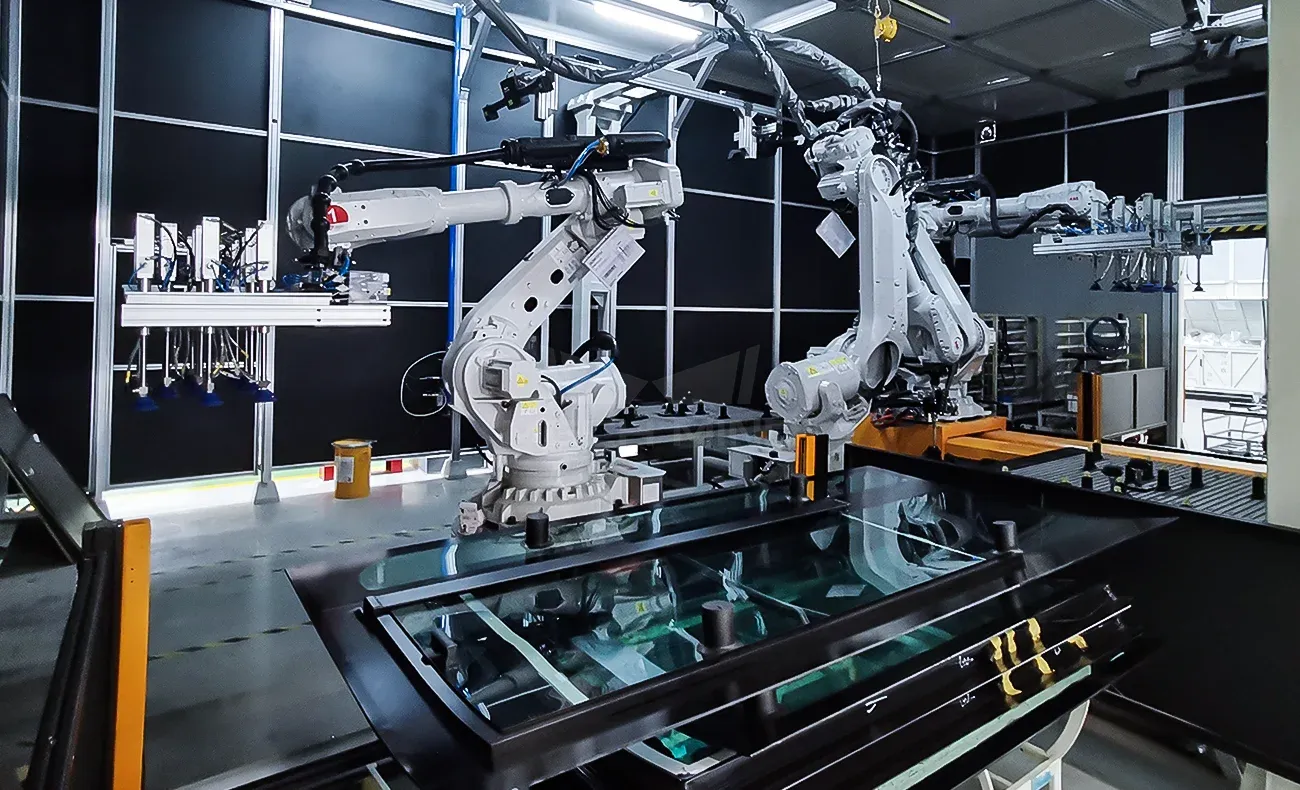
For manufacturers, industrial robotics and factory automation improve throughput and minimize downtime. For energy providers, smart grid automation enhances monitoring and reduces system failures. For commercial buildings, building automation systems (BAS) optimize heating, ventilation, lighting, and security.
Automation also supports digital transformation strategies. Through industrial IoT platforms and cloud-based monitoring tools, companies gather performance data and use analytics to improve decision-making. This helps solve challenges such as equipment failure, supply chain disruptions, and inconsistent product quality.
Manual vs Automated Operations
| Feature | Manual Process | Automated Process |
|---|
| Speed | Slower | Faster and continuous |
| Accuracy | Variable | High precision |
| Monitoring | Limited | Real-time tracking |
| Labor Intensity | High | Reduced |
| Data Collection | Minimal | Advanced analytics |
Automation systems do not replace human oversight entirely. Instead, they shift human roles toward supervision, system integration, and data analysis.
Recent Updates
In the past year, several developments have influenced automation technologies.
Artificial intelligence integration has expanded in manufacturing environments. AI-driven quality inspection systems now analyze visual data in real time, reducing defect rates.
Industrial IoT adoption continues to grow, allowing sensors to transmit equipment data to centralized dashboards. Predictive maintenance tools powered by machine learning help identify potential breakdowns before they occur.
Digital twin technology has gained attention. A digital twin is a virtual model of a physical asset or production line. Engineers use it to simulate performance, optimize processes, and test changes without interrupting operations.
Cybersecurity has become a major focus. Governments and industry groups have emphasized protecting industrial control systems from cyber threats. Organizations are implementing stronger network segmentation and monitoring tools to secure operational technology (OT) environments.
Sustainability initiatives have also influenced automation. Energy-efficient motor control systems, smart energy monitoring, and carbon tracking tools are being integrated into industrial automation platforms to support environmental reporting.
Laws or Policies
Automation systems are influenced by national and international regulations related to safety, cybersecurity, labor standards, and environmental compliance.
In India, several regulatory frameworks affect industrial automation:
• The Factories Act establishes workplace safety standards in manufacturing facilities.
• Bureau of Indian Standards (BIS) guidelines define technical and safety standards for industrial equipment.
• Data protection regulations impact how industrial data is stored and processed.
• National programs promoting digital transformation encourage the adoption of advanced manufacturing technologies.
Internationally, standards from organizations such as the International Organization for Standardization guide quality management (ISO 9001), information security (ISO 27001), and safety compliance in automated environments.
For industrial control systems, cybersecurity frameworks often reference guidance from the National Institute of Standards and Technology to improve risk management and system resilience.
Environmental policies also influence automation. Emission monitoring systems, smart energy controls, and compliance tracking software help industries meet sustainability targets set by government authorities.
Organizations deploying automation systems must ensure:
• Electrical and mechanical safety compliance
• Proper documentation and audit trails
• Secure network architecture
• Worker training and operational safety procedures
Regulatory compliance supports both operational continuity and public trust.
Tools and Resources
Automation systems rely on a range of software platforms, hardware tools, and digital resources. Below are widely recognized technologies used in industrial automation environments:
• Siemens automation platforms for PLC programming and industrial software
• Rockwell Automation industrial control and monitoring solutions
• Schneider Electric energy management and automation systems
• ABB robotics automation and control technologies
Common Tools and Categories
• PLC programming software
• SCADA system dashboards
• Human-machine interface (HMI) panels
• Industrial IoT gateways
• Energy management systems
• Predictive maintenance analytics platforms
Basic Automation Architecture
Sensors → Controller (PLC) → Actuators → Monitoring System
These tools help engineers configure logic, monitor performance, and optimize workflows. Many systems also integrate cloud computing platforms for centralized monitoring across multiple facilities.
Frequently Asked Questions
What is the difference between PLC and SCADA?
A PLC (programmable logic controller) is a hardware device that directly controls machinery. SCADA is a software system that supervises and monitors multiple PLCs and field devices across a facility.
Are automation systems only used in manufacturing?
No. Automation is also used in water treatment plants, renewable energy systems, transportation networks, smart buildings, and agriculture.
How does industrial automation improve safety?
Automation reduces direct human interaction with hazardous machinery. It also enables real-time monitoring of temperature, pressure, and system conditions to prevent accidents.
What skills are required to work with automation systems?
Common skills include electrical engineering knowledge, PLC programming, industrial networking, control system design, and data analysis. Familiarity with cybersecurity practices is increasingly important.
Can small businesses implement automation systems?
Yes. Modular automation solutions and scalable industrial IoT platforms allow small and medium enterprises to adopt automation gradually according to operational needs.
Conclusion
Automation systems combine hardware, software, and data analytics to improve efficiency, precision, and reliability in modern industries. From PLC-based machine control to AI-powered predictive maintenance, automation supports digital transformation and sustainable growth.
As industries adopt advanced robotics, industrial IoT platforms, and energy-efficient control systems, regulatory compliance and cybersecurity remain critical considerations. Governments, standards organizations, and technology providers continue to shape how automation evolves.
Understanding key concepts such as industrial control systems, smart manufacturing solutions, and process automation technologies helps individuals and organizations navigate this rapidly changing landscape. Automation is not only about machines replacing tasks; it is about building safer, smarter, and more resilient systems for the future.