Basics of Organic Skincare for Teens: Natural Ingredients, Usage, and Skin Concerns
Organic skincare for teens refers to the use of skin products made primarily from plant-based and naturally derived ingredients, with minimal synthetic additives. This approach exists because teenage skin goes through rapid biological changes driven by hormones, growth, and lifestyle shifts. These changes can affect oil production, sensitivity, and overall skin balance.
Teen skin is still developing, which makes it more reactive than adult skin. Organic skincare aims to support the skin’s natural protective barrier rather than altering it aggressively. The focus is on gentle cleansing, basic hydration, and maintaining skin balance while avoiding unnecessary exposure to harsh substances.
The concept has gained attention as families and educators place more importance on ingredient transparency, skin health education, and long-term wellness habits.
Importance: Why Organic Skincare Matters for Teens Today
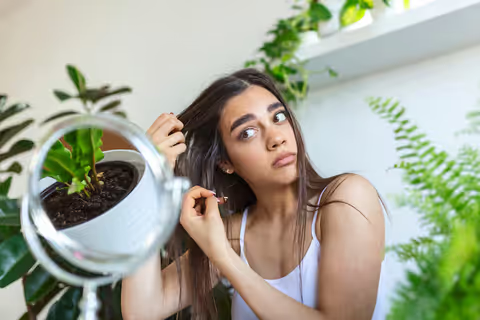
Teenagers face unique skin challenges such as acne, excess oil, dryness, and sensitivity. These concerns can affect confidence, emotional well-being, and daily comfort. Organic skincare matters because it encourages simple routines that reduce the risk of irritation while supporting healthy skin habits early in life.
Key reasons this topic is important include:
Increased exposure to environmental pollutants
Extended screen time and lifestyle stress
Earlier use of skincare products without guidance
Growing awareness of ingredient safety
Organic skincare helps address common teen skin issues such as clogged pores, redness, and uneven texture by prioritizing mild formulations. It also supports skin education, helping teens understand how their skin responds to daily habits like cleansing, hydration, and sun exposure.
Recent Developments in Organic Skincare Awareness
Over the past year, there has been increased emphasis on skin barrier protection and minimal-ingredient routines for adolescents. Dermatology discussions have shifted toward prevention rather than correction, encouraging teens to focus on skin balance instead of aggressive treatments.
Other notable developments include:
Greater scrutiny of ingredient labels
Increased awareness of fragrance sensitivity
Educational focus on age-appropriate skincare routines
Growing discussion around hormonal skin changes in early adolescence
Another trend is the use of simplified routines that include fewer products. This approach reduces the risk of overuse and supports consistent daily habits. Educational content now highlights that more products do not necessarily lead to better skin outcomes.
Regulations and Safety Guidelines Affecting Teen Skincare
Organic skincare is influenced by cosmetic safety regulations in many countries. These regulations typically govern ingredient disclosure, manufacturing standards, and labeling practices. While rules vary by region, the general goal is consumer safety and product transparency.
Common regulatory considerations include:
Mandatory ingredient listing on packaging
Restrictions on certain chemical preservatives and colorants
Guidelines for claims related to natural or organic labeling
Oversight by health or consumer protection authorities
For teenagers, these regulations are important because they help ensure that skincare products meet safety standards and avoid misleading information. Parents and caregivers are encouraged to review ingredient lists and follow age-appropriate usage guidance.
Practical Tools and Educational Resources for Teen Skincare
Several tools and resources can help teens and caregivers understand organic skincare more clearly. These tools focus on education, self-assessment, and routine planning rather than product promotion.
Basic Teen Skincare Routine Structure
Common Natural Ingredients and Their Roles
Meaning in Gujarati Langues: In the Gujarati context, organic skincare for teens can be understood as કિશોરો માટે ઓર્ગેનિક સ્કીનકેર (Kishoro mate organic skincare). It involves using કુદરતી વસ્તુઓ (natural things) for ચહેરાની સંભાળ (face care) to maintain ત્વચાનું સ્વાસ્થ્ય (skin health) without using harsh chemicals.
Frequently Asked Questions About Organic Skincare for Teens
Is organic skincare suitable for all teenagers?
Organic skincare can be suitable for many teens, but skin types vary. Patch testing and simple routines are important to observe how the skin reacts.
Can organic ingredients help with acne-prone skin?
Some natural ingredients support gentle cleansing and oil balance, which may help reduce irritation associated with acne. Consistency and proper hygiene remain essential.
How often should teens use skincare products?
A basic routine followed once or twice daily is generally sufficient. Overuse can disrupt the skin’s natural balance.
Is fragrance a concern for teenage skin?
Fragrance can cause sensitivity for some teens. Fragrance-free or lightly scented options are often better tolerated by developing skin.
Do teens need complex skincare routines?
Most teens benefit from simple routines focused on cleanliness and hydration rather than multi-step processes.
Conclusion
Organic skincare for teens centers on maintaining healthy skin through gentle care, ingredient awareness, and consistent daily habits. During adolescence, the skin undergoes hormonal and structural changes that make it more sensitive and reactive, which is why a balanced and minimal approach is important.
By focusing on natural ingredients, simple routines, and basic skin hygiene, teens can reduce common concerns such as excess oil, dryness, and irritation without disrupting the skin’s natural barrier. Understanding regulations, reading ingredient labels, and using educational tools further supports informed skincare decisions.
Disclaimer: The information provided in this article is for informational purposes only. We do not make any claims or guarantees regarding the accuracy, reliability, or completeness of the information presented. The content is not intended as professional advice and should not be relied upon as such. Readers are encouraged to conduct their own research and consult with appropriate professionals before making any decisions based on the information provided in this article.