Importance – Why Cable Cutting Technology Matters Today
Modern infrastructure depends heavily on electrical systems. High-voltage cables, data communication lines, and renewable energy connections require exact measurements and secure terminations. Improper cutting can lead to:
-
Electrical resistance issues
-
Short circuits
-
Reduced system efficiency
-
Workplace injury risks
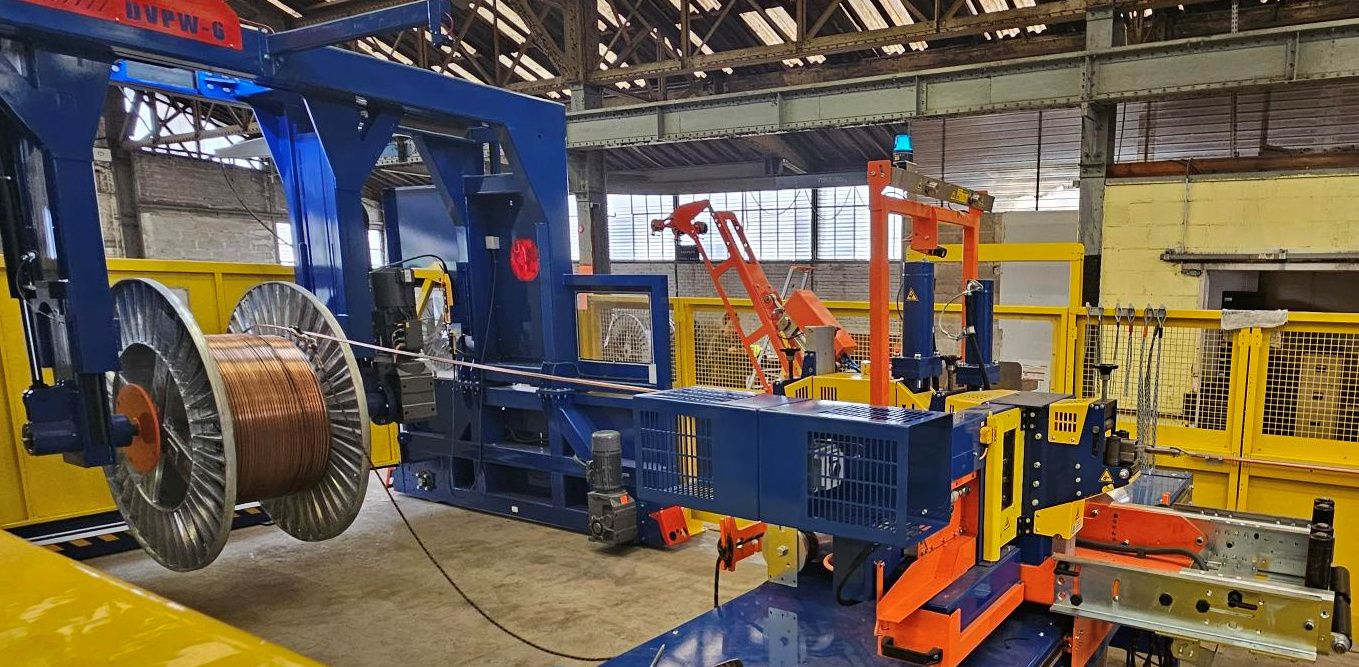
Cable cutting machines contribute to operational efficiency and workplace safety by improving cutting accuracy and minimizing manual strain. Industries that rely on heavy-gauge conductors—such as solar farms, wind energy projects, and industrial automation systems—require high-performance cable preparation tools.
The rise of electric vehicles and smart grid expansion has also increased demand for heavy-duty cable processing. Manufacturing environments now prioritize:
-
Precision engineering
-
Reduced material waste
-
Consistent cable length measurement
-
High productivity standards
For electrical contractors, engineers, and industrial technicians, reliable cable preparation tools are essential components of modern infrastructure development.
Technical Specifications and Features
Cable cutting machines vary widely in design, capacity, and automation level. Below is a general comparison of common types:
Machine Types and Capabilities
| Machine Type | Cutting Capacity | Power Source | Application Area | Automation Level |
|---|
| Manual Cable Cutter | Small to medium cables | Hand-operated | Field repairs | Low |
| Hydraulic Cable Cutter | Large diameter cables | Hydraulic pump | Industrial power lines | Medium |
| Electric Cable Cutter | Medium to large cables | Electric motor | Construction sites | Medium |
| Automatic Wire Cutting Machine | Small to medium wires | Electric/CNC | Manufacturing plants | High |
Common technical parameters include:
-
Maximum cable diameter (mm)
-
Cutting force (kN or tons)
-
Blade material (hardened steel, alloy steel)
-
Voltage rating compatibility
-
Weight and portability
-
Safety interlock mechanisms
Advanced models may include:
-
Digital length measurement
-
Programmable cutting sequences
-
Touchscreen control panels
-
Overload protection systems
-
Integration with industrial automation systems
These specifications are important when selecting equipment for high-voltage cable applications or heavy industrial environments.
Safety Guidelines and Best Practices
Operating cable cutting equipment requires strict adherence to safety standards. Electrical systems can pose serious hazards if handled improperly.
Key safety practices include:
-
Inspect cables for live current before cutting
-
Use insulated tools when working with electrical conductors
-
Wear protective gloves and safety goggles
-
Ensure blade guards are properly positioned
-
Follow lockout/tagout procedures before maintenance
Hydraulic and electric cable cutters generate significant force. Operators must be trained to:
-
Avoid placing hands near moving blades
-
Confirm machine stability before operation
-
Maintain proper posture to reduce strain injuries
Routine safety inspections reduce the risk of mechanical failure and workplace accidents.
Maintenance Insights for Long-Term Performance
Proper maintenance ensures durability and consistent cutting quality. Industrial cable processing equipment experiences mechanical stress, so preventive maintenance is essential.
Routine maintenance practices include:
-
Cleaning blades after each use
-
Checking hydraulic fluid levels
-
Inspecting electrical wiring connections
-
Sharpening or replacing worn blades
-
Calibrating digital measurement systems
Maintenance Schedule
| Frequency | Task |
|---|
| Daily | Visual inspection and debris removal |
| Weekly | Lubrication of moving parts |
| Monthly | Blade sharpness inspection |
| Quarterly | Hydraulic pressure testing |
| Annually | Full mechanical and electrical inspection |
Well-maintained equipment reduces downtime and improves industrial productivity.
Recent Updates and Industry Trends
Cable cutting technology has seen advancements driven by industrial automation and sustainability goals.
Recent developments include:
-
Battery-powered cable cutters with extended runtime
-
Smart diagnostic systems that monitor blade performance
-
Lightweight ergonomic designs for field operations
-
Increased compatibility with renewable energy cable types
Manufacturers have focused on energy-efficient motor systems and improved safety interlocks. Automation integration allows cable processing machines to connect with smart manufacturing platforms, enabling data tracking and production optimization.
In renewable energy sectors, demand for heavy-duty copper and aluminum conductor processing equipment has grown due to expansion of solar and wind infrastructure. Industrial automation trends also emphasize programmable cable cutting systems that reduce manual input and increase accuracy.
Laws and Regulatory Considerations
Cable cutting machines are subject to workplace safety regulations and electrical compliance standards. While regulations vary by country, common requirements include:
-
Occupational health and safety compliance
-
Electrical safety certification standards
-
Machinery directive compliance
-
Industrial equipment safety testing
In many regions, workplace safety authorities require:
-
Machine guarding
-
Emergency stop mechanisms
-
Operator training documentation
-
Regular inspection records
Electrical infrastructure projects may also require compliance with national electrical codes that define proper conductor handling procedures.
Industrial equipment must often meet certification standards related to electrical insulation, mechanical integrity, and environmental performance. Adhering to these policies ensures safe operation in construction sites, manufacturing plants, and power distribution facilities.
Tools and Resources
Several tools and resources support cable cutting operations and electrical engineering tasks:
-
Cable sizing calculators for determining conductor diameter
-
Voltage drop calculators for electrical system planning
-
Industrial maintenance checklists
-
Equipment inspection templates
-
Preventive maintenance software systems
-
Safety training modules for electrical workers
Industrial automation platforms can integrate with programmable cable cutting machines to streamline production workflows. Additionally, digital asset management systems help track equipment inspection schedules and maintenance records.
These resources assist engineers and technicians in improving operational reliability and maintaining regulatory compliance.
Frequently Asked Questions
What types of cables can cable cutting machines handle?
Cable cutting machines can process copper cables, aluminum conductors, steel-reinforced cables, fiber optic lines, and insulated electrical wires. The cutting capacity depends on the machine’s maximum diameter rating and blade strength.
Are hydraulic cable cutters suitable for high-voltage cables?
Hydraulic cable cutters are often used for large-diameter and heavy-duty cables. However, operators must confirm that cables are de-energized before cutting. Insulated tools and safety procedures are critical when handling high-voltage systems.
How often should blades be replaced?
Blade replacement frequency depends on usage intensity and cable material hardness. Regular inspection for dull edges or uneven cuts helps determine when replacement is necessary.
Can cable cutting machines be integrated into automated production lines?
Yes, advanced automatic wire cutting machines can integrate with industrial automation systems. These machines support programmable settings, digital measurement, and workflow optimization.
What is the difference between manual and electric cable cutters?
Manual cutters rely on physical force and are suitable for smaller cables. Electric or battery-powered cutters provide consistent cutting force, making them more suitable for medium to large cables and repetitive industrial tasks.
Conclusion
Cable cutting machines play a critical role in electrical infrastructure, industrial automation, and renewable energy development. By delivering precision cuts and improving workplace safety, they support efficient cable preparation across multiple industries.
Understanding technical specifications, safety requirements, and maintenance procedures helps ensure optimal equipment performance. As industrial automation continues to evolve, cable cutting technology is adapting with smarter controls, ergonomic improvements, and enhanced safety features.
For engineers, technicians, and manufacturing professionals, reliable cable processing equipment contributes to system reliability, productivity, and compliance with safety standards. Careful operation and routine maintenance remain key factors in achieving consistent performance and long-term operational efficiency.