Discover Platinum Engagement Rings: Complete Overview, Knowledge, and Insights
Platinum engagement rings are a popular choice in fine jewelry due to their strength, natural white color, and long-term durability. Engagement rings symbolize commitment, and platinum has become associated with permanence because it is one of the rarest and most resilient precious metals used in jewelry design.
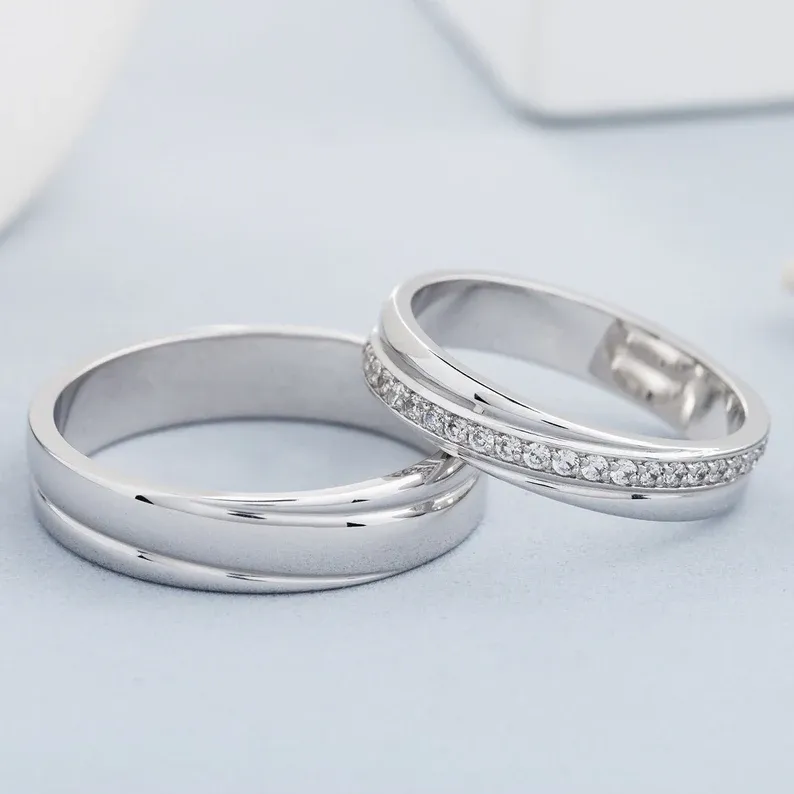 Unlike white gold, which often requires rhodium plating to maintain brightness, platinum is naturally white and maintains its appearance over time. It is typically used in high-value diamond engagement rings because of its density and ability to securely hold gemstones in place.
Platinum engagement rings exist to meet several needs:
-
Long-lasting metal for daily wear
-
Hypoallergenic option for sensitive skin
-
Secure setting for diamonds and precious stones
-
Minimal color change over time
Platinum is commonly alloyed with small amounts of metals such as iridium or ruthenium to enhance workability while maintaining high purity levels. Most platinum engagement rings are marked as 950 platinum, meaning 95% pure platinum.
Below is a simple comparison of common ring metals:
| Feature | Platinum | White Gold | Yellow Gold |
|---|---|---|---|
| Purity (Common Standard) | 95% | 58–75% gold | 58–91% gold |
| Natural Color | White | Slightly yellow (plated) | Yellow |
| Density | High | Medium | Medium |
| Hypoallergenic | Yes | Sometimes | Usually |
| Maintenance | Low | Periodic replating | Polishing |
This combination of purity and durability explains why platinum is widely used in certified diamond engagement rings and premium bridal jewelry collections.
Importance
Platinum engagement rings matter today for practical, cultural, and financial reasons.
From a durability perspective, platinum is highly resistant to wear. Instead of losing metal through abrasion, it tends to develop a patina finish, which many people appreciate for its antique look. This makes it suitable for individuals with active lifestyles.
From a health perspective, platinum is generally hypoallergenic. This makes it beneficial for people who experience irritation from nickel alloys often found in other metals.
From a financial and investment perspective, platinum is classified as a precious metal with global commodity value. Its rarity contributes to its prestige and long-term desirability. While engagement rings are primarily symbolic, platinum’s intrinsic value is an added factor that influences decision-making.
It also plays an important role in diamond grading standards. Platinum’s neutral white tone enhances the visual clarity and brilliance of diamonds, especially when evaluated under internationally recognized grading frameworks such as those developed by the Gemological Institute of America.
Platinum engagement rings affect:
-
Couples planning long-term commitments
-
Jewelry designers and gemologists
-
Investors tracking precious metal markets
-
Consumers concerned with skin sensitivity
The metal addresses problems such as discoloration, loose stone settings, and long-term structural weakening that can occur with softer metals.
Recent Updates
In recent months, platinum jewelry has seen renewed attention due to shifts in global precious metal demand. Market analysts have observed increased interest in platinum as both an industrial and luxury metal.
Jewelry trend reports indicate:
-
Growing preference for minimalist solitaire platinum rings
-
Increased interest in vintage-inspired platinum settings
-
Higher demand for lab-grown diamond platinum combinations
-
Stronger focus on sustainability in metal sourcing
Industry groups such as the World Platinum Investment Council have highlighted changing supply dynamics in platinum mining regions, influencing global awareness of the metal’s rarity.
Additionally, advances in CAD (Computer-Aided Design) jewelry modeling allow designers to create more intricate platinum settings without compromising structural strength. This has expanded the range of modern engagement ring styles.
There has also been increasing consumer education around hallmarking and authenticity verification, especially in countries with regulated jewelry markets.
Laws or Policies
Platinum engagement rings are subject to hallmarking regulations and precious metal purity standards in many countries.
In India, platinum jewelry is regulated by the Bureau of Indian Standards. Platinum articles are hallmarked to confirm purity levels, typically marked as Pt950. Hallmarking ensures consumer protection and transparency.
In the United States, the Federal Trade Commission provides guidelines for jewelry marketing claims, including purity descriptions and metal disclosure requirements.
In the United Kingdom, hallmarking is enforced by official assay offices under national legislation. Platinum items must meet minimum fineness standards before receiving a hallmark.
Common platinum markings include:
-
PT950
-
PLAT
-
950
Regulations typically require:
-
Accurate metal purity disclosure
-
Clear gemstone treatment disclosures
-
Truthful advertising practices
-
Compliance with consumer protection standards
These policies help reduce misleading claims and ensure that platinum engagement rings meet defined purity and authenticity benchmarks.
Tools and Resources
Several educational tools and reference systems support informed understanding of platinum engagement rings.
Diamond grading resources from institutions like the Gemological Institute of America provide detailed frameworks for evaluating cut, clarity, color, and carat weight.
Helpful tools and resources include:
-
Diamond grading charts (color and clarity scales)
-
Ring size measurement charts
-
Precious metal purity guides
-
CAD design visualization software
-
Jewelry appraisal templates
-
Commodity price tracking dashboards
-
Hallmark verification guides
Below is a simplified example of diamond clarity categories often paired with platinum settings:
| Clarity Grade | Description |
|---|---|
| FL | Flawless under 10x magnification |
| VVS1–VVS2 | Very, very slight inclusions |
| VS1–VS2 | Very slight inclusions |
| SI1–SI2 | Slight inclusions |
| I1–I3 | Included |
Platinum is often selected for higher clarity diamonds due to its neutral appearance and durability in prong settings.
Some financial analysts also monitor platinum commodity performance using precious metal tracking graphs to understand broader market trends.
FAQs
What makes platinum different from white gold in engagement rings?
Platinum is naturally white and does not require rhodium plating. White gold typically needs periodic replating to maintain brightness.
Is platinum suitable for sensitive skin?
Yes, platinum is generally hypoallergenic because it contains minimal reactive alloys compared to some gold mixtures.
How can authenticity be verified?
Look for hallmark stamps such as PT950 and certification from recognized standards authorities. Hallmarking confirms metal purity.
Does platinum scratch easily?
Platinum can develop surface scratches over time, but the metal usually displaces rather than loses material. This creates a patina effect rather than thinning.
Are lab-grown diamonds compatible with platinum rings?
Yes, lab-grown and natural diamonds can both be securely set in platinum. The metal’s strength supports a wide range of gemstone types.
Conclusion
Platinum engagement rings represent a blend of durability, purity, and symbolic significance. Their high platinum content, resistance to wear, and compatibility with certified diamond grading standards make them a notable choice in fine jewelry.
Regulatory oversight from standards authorities ensures transparency in purity claims and hallmarking practices. Advances in jewelry design technology and growing awareness of metal sourcing have further shaped modern platinum ring trends.
For individuals researching engagement ring materials, understanding platinum’s physical properties, regulatory framework, and compatibility with diamond certification systems provides a clear foundation for informed decisions.