Explore Bottling Machine Types: Explanation, Details, Facts, and Useful Information
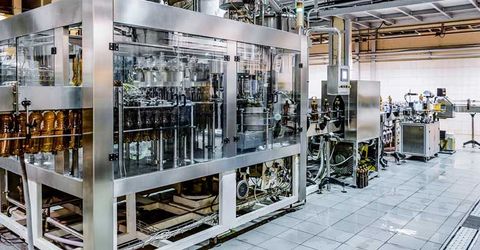
Bottling machines are industrial systems designed to fill liquids into containers such as bottles, jars, or cans in a controlled and efficient way. These machines are widely used across industries including beverage processing, pharmaceuticals, cosmetics, and chemicals. Their primary purpose is to ensure consistent filling, maintain hygiene standards, and improve production efficiency.
The concept of automated bottling developed as industries transitioned from manual filling methods to mechanized systems.
Manual processes were slow and often inconsistent, especially in high-volume production environments. Bottling machines address these issues by ensuring precise liquid measurement, reducing waste, and increasing production speed.
Modern bottling technology includes various machine types designed for different liquid properties. Thin liquids like water require different handling compared to thicker substances like oils or syrups. As a result, multiple machine designs exist to meet diverse industrial needs.
Why Bottling Machines Matter Today
Bottling machines are essential in today’s manufacturing ecosystem due to the growing demand for packaged products. Industries rely on these systems to maintain productivity, quality, and safety standards. Their role extends across multiple sectors, making them a key component of modern production lines.
Key Benefits
- Production Efficiency: Automated systems significantly increase output
- Consistency and Accuracy: Ensures uniform filling in every container
- Hygiene and Safety: Reduces contamination risks
- Waste Reduction: Minimizes spillage and material loss
Industries That Use Bottling Machines
- Beverage and water bottling plants
- Pharmaceutical manufacturing units
- Cosmetic and personal care production
- Chemical and industrial liquid packaging
The rising demand for bottled water, ready-to-drink beverages, and liquid medicines has further increased the importance of these machines.
Types of Bottling Machines and Their Working Principles
Different bottling machines are selected based on liquid characteristics and production requirements. Each type operates on a unique principle suited for specific applications.
Machine Types Overview
| Machine Type | Best For | Working Principle | Key Feature |
|---|---|---|---|
| Gravity Filling | Water, juices | Uses gravity to fill bottles | Simple and cost-efficient |
| Piston Filling | Thick liquids, creams | Uses piston for volume control | High accuracy for viscous liquids |
| Overflow Filling | Beverages, cosmetics | Fills to a fixed level | Uniform visual appearance |
| Vacuum Filling | Glass bottles, perfumes | Uses vacuum pressure | Suitable for delicate containers |
| Pressure Filling | Carbonated drinks | Uses pressurized system | Maintains carbonation levels |
| Aseptic Filling | Pharmaceuticals, dairy | Operates in sterile conditions | Ensures product safety |
The selection of machine type depends on viscosity, foaming properties, and required production speed.
Key Industrial Automation Trends in Bottling Systems
Recent advancements in automation have significantly improved bottling technology. These innovations aim to enhance efficiency, reduce manual intervention, and improve monitoring capabilities.
Major Trends
- Smart Sensors and IoT Integration: Enables real-time monitoring and fault detection
- AI-Based Quality Control: Detects filling and packaging defects
- Energy-Efficient Systems: Reduces power consumption
- Modular Machine Design: Allows flexible upgrades and customization
Another important development is the rise of fully automated bottling lines. These systems integrate filling, capping, labeling, and packaging into a single streamlined process, reducing human involvement and improving overall efficiency.
Regulatory Guidelines and Compliance Standards
Bottling machines must comply with strict regulations, especially in industries dealing with consumable or sensitive products. These guidelines ensure product safety, hygiene, and environmental responsibility.
Common Compliance Requirements
- Food Safety Standards: Maintain hygiene in beverage production
- Pharmaceutical Regulations: Ensure contamination control
- Environmental Policies: Focus on waste management and energy use
- Quality Certifications: ISO standards ensure consistency and reliability
Manufacturers must follow proper documentation, validation, and inspection processes to meet these requirements and avoid operational risks.
Useful Tools and Resources for Bottling Systems
Various tools help engineers and operators manage and optimize bottling processes. These resources improve efficiency, reduce downtime, and support better decision-making.
Helpful Tools
- Production Efficiency Calculators: Measure output and downtime
- Flow Rate Calculation Tools: Optimize filling speed
- Maintenance Tracking Software: Monitor machine condition
- Process Simulation Software: Improve production planning
- Industrial Automation Platforms: Manage sensors and system data
Tool Comparison Table
| Tool Type | Purpose | Benefit |
|---|---|---|
| Efficiency Calculator | Analyze production output | Improves operational planning |
| Simulation Software | Model production lines | Reduces trial-and-error setup |
| Maintenance Management System | Track equipment health | Prevents unexpected downtime |
| Data Monitoring Platforms | Real-time performance tracking | Enables quick decision-making |
These tools contribute to long-term system optimization and operational stability.
Common Questions About Bottling Machines
What is the main function of a bottling machine?
A bottling machine fills liquids into containers accurately and efficiently. It ensures consistent volume, reduces waste, and maintains hygiene standards.
How do I choose the right bottling machine type?
The choice depends on liquid viscosity, production volume, container type, and required accuracy. For instance, thick liquids require piston filling, while carbonated drinks need pressure filling systems.
What is the difference between automatic and semi-automatic machines?
Automatic machines perform most operations with minimal human involvement. Semi-automatic systems require manual input for tasks like bottle placement or removal.
Why is aseptic filling important?
Aseptic filling ensures a sterile environment during the bottling process. This prevents contamination and is crucial for pharmaceutical and dairy products.
Can bottling machines handle multiple container sizes?
Many modern machines have adjustable settings or modular designs. This allows them to handle different container sizes and shapes efficiently.
Conclusion
Bottling machines are a crucial part of modern industrial systems. They enable efficient, accurate, and hygienic liquid packaging across various industries. Continuous advancements in automation and monitoring technologies are further enhancing their capabilities.
Understanding machine types, working principles, and applications helps industries make informed decisions. Compliance with regulations and the use of advanced tools also improve performance and product quality. As industries continue to grow, bottling technology will remain essential for efficient and reliable production systems.