Explore Charm Anklets: A Complete Guide to Styles, Meanings, and Everyday Wear
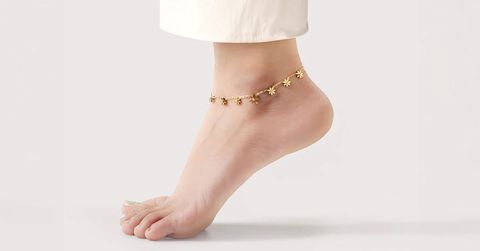
Charm anklets are decorative ankle accessories designed with small hanging elements known as charms. These charms may represent symbols, shapes, cultural motifs, or personal expressions. Anklets themselves have existed for centuries across different civilizations, while charm additions developed as a way to convey identity, status, or personal stories.
Historically, anklets were worn for cultural, spiritual, and aesthetic purposes. Over time, charm anklets evolved into a form of wearable storytelling, combining ornamentation with meaning. Today, they are commonly worn as part of everyday fashion, ceremonial attire, or personal expression.
Charm anklets exist because humans have long used adornments to express individuality, commemorate moments, and connect with tradition. Their continued presence reflects the balance between cultural heritage and modern personal style.
Why Charm Anklets Matter in Modern Life
Charm anklets remain relevant because they serve both aesthetic and symbolic functions. They appeal to individuals interested in self-expression, cultural identity, and minimalist jewelry design.
For many wearers, charm anklets:
Represent personal milestones or memories
Reflect cultural or traditional values
Provide a subtle way to express individuality
Complement everyday clothing without complexity
In modern contexts, charm anklets are valued for their versatility. They suit casual environments, festive settings, and personal routines without requiring elaborate coordination. This simplicity addresses the growing preference for meaningful yet understated accessories. Charm anklets also solve a common fashion challenge: expressing personality through small, adaptable details rather than bold statements.
Recent Developments and Design Trends
In recent times, charm anklets have shown noticeable evolution in materials, symbolism, and styling approaches. Designers and wearers increasingly favor lightweight designs, subtle movement, and symbolic charm elements.
Notable developments include:
Increased use of minimalist charms such as geometric shapes
Growing interest in symbolic motifs like celestial icons and natural elements
Preference for adjustable anklet designs for comfort and adaptability
Focus on hypoallergenic and skin-friendly materials
Cultural appreciation has also expanded, with traditional anklet motifs being reinterpreted in contemporary designs. These changes reflect a broader trend toward intentional fashion choices that balance aesthetics with meaning.
Regulatory and Cultural Considerations
Charm anklets are generally classified as personal accessories and are subject to standard consumer product regulations in many regions. These rules commonly focus on:
Material safety and skin contact standards
Metal purity and allergen disclosure
Child safety considerations for small detachable components
In some cultures, anklets hold traditional or ceremonial importance. Cultural norms may influence when and how they are worn, particularly in formal or religious settings. While charm anklets are widely accepted in everyday use, understanding cultural sensitivity remains important. There are no universal restrictions on wearing charm anklets, but local consumer protection policies may apply to manufacturing, labeling, and material transparency.
Helpful Tools and Learning Resources
Several tools and resources support informed understanding of charm anklets, especially for educational or styling awareness purposes. These resources help readers develop practical knowledge without requiring professional intervention.
Common Types of Charm Anklets and Their Meanings
Materials Used in Charm Anklets
Meaning in Gujarati Langues: In the Gujarati context, an anklet is known as ઝાંઝર (Zanzar) or પાયલ (Payal). Traditionally, these are part of સોળ શણગાર (Sol Shangar) and are worn for their સુંદરતા (beauty) and the pleasant અવાજ (sound) they create while walking.
Frequently Asked Questions About Charm Anklets
What is the purpose of a charm anklet?
Charm anklets serve as decorative accessories that often carry symbolic or personal meaning. They combine aesthetic appeal with individual expression.
Can charm anklets be worn daily?
Yes, many designs are suitable for daily use, especially lightweight and adjustable styles that prioritize comfort.
Do charm anklets have cultural significance?
In several cultures, anklets symbolize tradition, marital status, or social identity. Charm variations may adapt these meanings for modern contexts.
How should charm anklets fit?
They should rest comfortably around the ankle without tightness, allowing slight movement while avoiding excessive looseness.
Are charm anklets suitable for all age groups?
Generally, they are worn across age groups, though design simplicity and material safety should align with the wearer’s needs.
Practical Insights for Everyday Wear
Charm anklets are often chosen for their ease of integration into daily routines. Simple designs pair well with:
Casual footwear
Traditional attire
Minimalist fashion styles
Awareness of activity level, environment, and comfort helps maintain anklet longevity and wearability.
Conclusion
Charm anklets represent a meaningful blend of tradition, symbolism, and modern style. Their continued relevance lies in their adaptability, cultural resonance, and ability to express individuality through subtle design. By understanding the materials, fit, and symbolic history, wearers can integrate these accessories into their personal style with both confidence and cultural awareness.