Importance
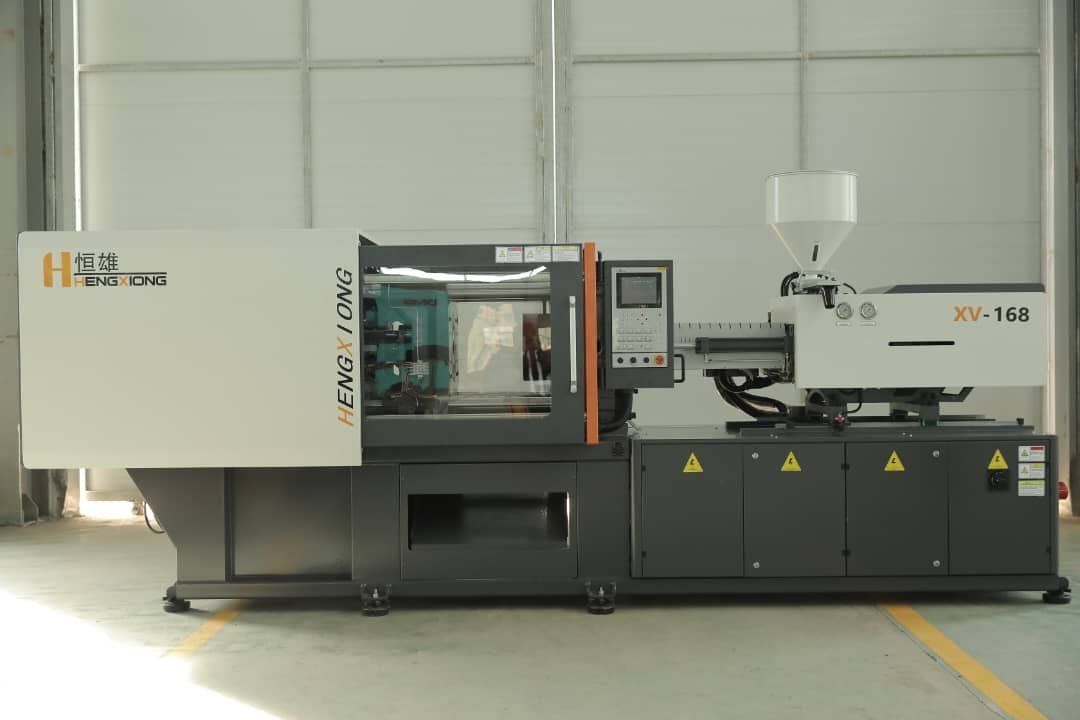
Injection molding machines play a major role in global manufacturing. They support sectors such as:
-
Automotive manufacturing
-
Medical device production
-
Packaging technology
-
Consumer electronics
-
Industrial equipment
These machines matter today because they address key industrial challenges:
-
High-volume production needs
-
Complex geometry manufacturing
-
Material consistency requirements
-
Production repeatability
-
Reduced manual intervention
In automotive applications, lightweight polymer components contribute to improved fuel efficiency and lower emissions. In healthcare, precision injection molding supports sterile and disposable medical components. In electronics, miniaturization requires tight dimensional accuracy that injection molding machines can deliver.
Energy-efficient injection molding systems also help manufacturers meet sustainability targets. Advanced servo-hydraulic and all-electric injection molding machines reduce energy consumption compared to older hydraulic systems.
The following comparison highlights machine types commonly used in industry:
| Machine Type | Energy Efficiency | Precision Level | Common Use |
|---|
| Hydraulic | Moderate | Good | Heavy-duty applications |
| Hybrid | High | Very Good | Automotive & packaging |
| All-Electric | Very High | Excellent | Medical & electronics |
As industries emphasize sustainable manufacturing solutions, electric injection molding machines have gained significant attention due to reduced oil usage, lower noise, and precise motion control.
Recent Updates
Recent developments in injection molding technology focus on digital integration, automation, and sustainable material processing.
Smart manufacturing systems now integrate Industrial IoT sensors that monitor temperature, pressure, and cycle time in real-time. These systems improve predictive maintenance and reduce downtime.
Another development involves advanced servo-driven injection units that enhance energy optimization and reduce operational variability.
Bioplastic processing capabilities have expanded as manufacturers respond to environmental regulations and demand for recyclable materials. Machines are increasingly configured to handle biodegradable polymers and recycled resins.
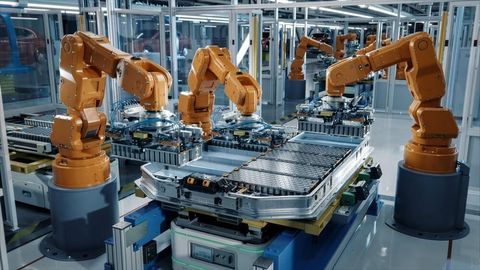
Robotic part handling systems have also become more common, supporting automated production lines. These robotic integrations improve cycle time consistency and reduce contamination risks in controlled environments such as medical device production.
Digital twin simulations are being used to model mold flow and optimize injection parameters before physical production begins. This reduces trial cycles and material waste.
Overall, the trend points toward precision engineering, sustainability compliance, and data-driven process control in plastic injection molding technology.
Laws or Policies
Injection molding operations are influenced by national and international regulations. These regulations typically address environmental compliance, workplace safety, and product standards.
In India, manufacturing facilities must comply with environmental standards governed by the Central Pollution Control Board (CPCB). Emission norms, waste management policies, and plastic waste handling rules directly affect injection molding units.
Plastic Waste Management Rules regulate how plastic scrap, recycled materials, and packaging waste are handled. Extended Producer Responsibility frameworks encourage responsible material lifecycle management.
Energy efficiency guidelines under national industrial energy programs influence the adoption of energy-efficient injection molding machines.
For medical-grade components, regulatory oversight ensures that molded parts meet health and safety standards. These include sterilization compatibility and material traceability requirements.
Workplace safety standards require:
-
Proper machine guarding
-
Thermal insulation
-
Emergency stop mechanisms
-
Hydraulic pressure safety controls
Compliance ensures that injection molding facilities operate responsibly while maintaining product integrity and worker safety.
Tools and Resources
Several technical tools and resources support professionals working with injection molding machines.
Simulation Software
Used for mold flow analysis and cycle time optimization. Helps identify air traps, weld lines, and cooling inefficiencies.
Energy Monitoring Dashboards
Track electricity usage and machine performance metrics.
Material Selection Databases
Provide polymer property comparisons such as tensile strength, melt flow index, and thermal resistance.
Process Parameter Calculators
Assist in determining clamping force requirements and injection pressure ranges.
Here is a simplified formula reference used in mold calculations:
Clamping Force (tons) ≈ Projected Area × Injection Pressure / 1000
Common Measurement Tools
-
Digital calipers
-
Coordinate measuring machines (CMM)
-
Infrared thermal cameras
-
Melt temperature sensors
These tools enhance production accuracy and reduce defects such as warping, sink marks, or short shots.
Production Efficiency Insight
Production Output
| *
| * *
| * *
| * *
|_*______________ Cycle Time
As cycle time decreases through optimization, total production output increases, assuming quality standards remain consistent.
FAQs
What materials are used in injection molding machines?
Common materials include thermoplastics such as polypropylene, polyethylene, ABS, polycarbonate, and nylon. Specialized applications may use engineering-grade polymers or biodegradable plastics.
How long does an injection molding cycle take?
Cycle times vary depending on part complexity, material type, and mold design. Simple components may complete in seconds, while complex parts require longer cooling and precision control.
What determines the clamping force requirement?
Clamping force depends on projected part area and injection pressure. Larger molds and higher pressure applications require greater tonnage capacity.
Are injection molding machines energy efficient?
Modern all-electric and hybrid machines are significantly more energy efficient compared to older hydraulic models. Energy consumption depends on machine type, cycle time, and operational settings.
What causes common molding defects?
Defects may result from improper temperature settings, insufficient cooling time, incorrect injection pressure, or poor mold design. Process optimization reduces defect rates.
Conclusion
Injection molding machines remain a foundational technology in modern industrial manufacturing. They enable precision plastic component production at scale while maintaining consistent quality standards.
The process integrates thermal control, mechanical engineering, and material science to deliver repeatable manufacturing outcomes. Recent advancements emphasize energy efficiency, digital monitoring, and sustainable material compatibility.
Regulatory frameworks shape how facilities manage environmental impact and workplace safety. At the same time, advanced tools such as mold flow simulation and energy analytics improve operational performance.
As industries continue to prioritize lightweight materials, automation, and environmental responsibility, injection molding technology evolves to meet these demands. Understanding its technical principles, applications, and compliance requirements provides a strong foundation for navigating the broader field of industrial manufacturing systems.