Explore Oil & Gas Field Services: Complete Guide, Basics, Insights & Industry Knowledge
Oil and gas field services refer to the technical and operational activities that support the exploration, drilling, production, and maintenance of oil and natural gas resources. These services are a vital part of the upstream oil and gas industry, which focuses on locating underground or offshore hydrocarbon reserves and extracting them efficiently.
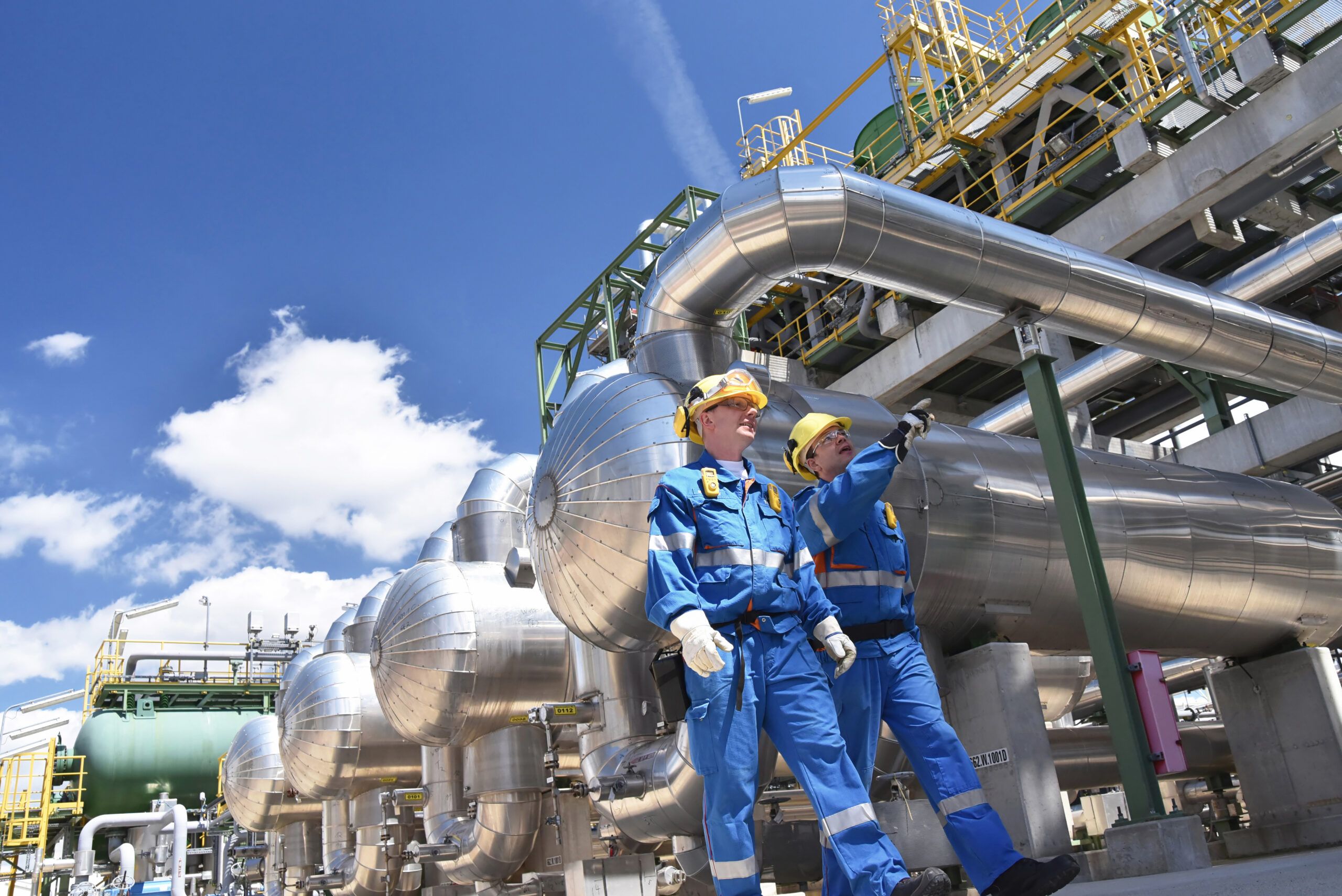 Field services companies provide specialized expertise, equipment, and technology to energy producers. Their role begins before drilling starts and continues throughout the lifecycle of a well. This includes seismic surveys, drilling operations, well completion techniques, production optimization, and maintenance support.
The reason this sector exists is simple: extracting oil and natural gas requires advanced engineering, safety systems, and technical knowledge. Energy producers rely on skilled field service providers to ensure wells operate safely, efficiently, and in compliance with environmental standards.
Oilfield services have evolved alongside technological advancements. Modern projects often involve offshore drilling technology, automated monitoring systems, and data-driven performance analysis. These developments help improve production while reducing environmental impact.
Why Oil & Gas Field Services Matter Today
The global energy system depends heavily on reliable hydrocarbon production. Even as renewable energy grows, oil and gas remain central to transportation, manufacturing, electricity generation, and petrochemical production.
Oil and gas field services matter because they:
- Support energy infrastructure stability
- Enable efficient drilling operations
- Enhance well productivity
- Improve environmental monitoring
- Strengthen operational safety
The sector affects multiple stakeholders, including:
- Energy companies
- Governments
- Investors tracking energy sector investment trends
- Engineering and technical professionals
- Communities located near production sites
Field services also help solve critical challenges such as:
- Declining reservoir pressure
- Equipment reliability issues
- Harsh offshore environments
- Complex geological formations
- Emissions management and environmental compliance
Without advanced oilfield equipment and specialized expertise, extracting hydrocarbons from deepwater or unconventional reservoirs would be extremely difficult.
Key Activities in Oil & Gas Field Services
Below is a simplified overview of major upstream field service categories.
| Activity Type | Purpose | Example Technologies |
|---|---|---|
| Seismic & Survey | Identify underground reserves | 3D seismic imaging |
| Drilling Operations | Create wellbore access | Rotary drilling rigs |
| Well Completion | Prepare well for production | Cementing & casing |
| Production Support | Maintain steady output | Artificial lift systems |
| Well Intervention | Repair or enhance wells | Coiled tubing operations |
Each stage relies on specialized petroleum engineering insights and strict safety protocols.
Recent Developments and Industry Trends
The oil and gas field services industry continues to evolve in response to market conditions, environmental concerns, and technological innovation.
Recent developments include:
Digital oilfield technologies
Advanced sensors and real-time analytics now monitor drilling operations remotely. Automation reduces downtime and improves decision-making accuracy.
Carbon management integration
More projects incorporate carbon capture systems and methane leak detection. Emissions tracking has become a priority for regulatory and environmental reporting.
Offshore efficiency improvements
Deepwater and ultra-deepwater drilling projects are using improved subsea robotics and remote-operated vehicles to increase safety and precision.
Hydraulic fracturing optimization
The hydraulic fracturing process is being refined to reduce water usage and improve reservoir stimulation techniques.
Energy transition alignment
Some oilfield service providers are expanding into geothermal drilling, offshore wind support, and carbon storage solutions, reflecting broader energy diversification strategies.
These changes demonstrate how field services are adapting to both economic pressures and environmental expectations.
Regulatory Framework and Policies
Oil and gas field services operate under strict regulations that vary by country. Governments establish laws to ensure environmental protection, worker safety, and resource management.
Key regulatory areas include:
- Environmental impact assessments
- Offshore drilling safety standards
- Waste management rules
- Emissions reporting requirements
- Well integrity guidelines
In the United States, agencies such as the Bureau of Safety and Environmental Enforcement oversee offshore drilling compliance. In India, the Directorate General of Hydrocarbons regulates upstream operations. In the European Union, environmental directives influence drilling and production standards.
Regulatory policies affect:
- Project approvals
- Operational procedures
- Equipment certification
- Reporting obligations
Compliance is essential to maintain operational continuity and protect surrounding ecosystems.
Technology Landscape in Oilfield Operations
Modern oil and gas field services rely heavily on advanced technologies. Below is a simplified representation of how technology contributes to performance improvement.
Estimated Operational Efficiency Improvement with Digital Tools Digital integration often improves monitoring accuracy and reduces unplanned shutdowns.
Common technologies include:
- Real-time drilling analytics
- Predictive maintenance software
- Automated pressure control systems
- Remote-operated subsea vehicles
- Reservoir simulation modeling
These tools enhance drilling operations and optimize well performance.
Tools and Resources for Industry Knowledge
Professionals and students interested in oil and gas field services can explore various educational and analytical resources.
Industry Tools
- Reservoir simulation software
- Drilling performance monitoring systems
- Production forecasting calculators
- Well integrity analysis tools
Educational Platforms
- Petroleum engineering certification programs
- Energy economics research publications
- Technical journals focused on drilling operations
- Government energy data portals
Professional Organizations
- Society of Petroleum Engineers (SPE)
- International Association of Drilling Contractors (IADC)
- National petroleum regulatory agencies
These resources help deepen understanding of the upstream oil and gas industry and support informed decision-making.
Economic Overview of Oilfield Services
Oil and gas field services represent a significant share of the global energy economy. Market performance is often linked to crude oil prices and exploration activity levels.
When oil prices rise:
- Exploration projects increase
- Offshore drilling technology investments expand
- Equipment demand strengthens
When prices fall:
- Exploration slows
- Capital spending decreases
- Operational efficiency becomes a higher priority
This cyclical pattern influences investment strategies and operational planning.
Frequently Asked Questions
What is the difference between upstream and downstream oil operations?
Upstream operations focus on exploration and production of oil and natural gas. Downstream operations involve refining, distribution, and retail of petroleum products. Oil and gas field services primarily support upstream activities.
How does hydraulic fracturing work?
The hydraulic fracturing process involves injecting fluid at high pressure into rock formations to create fractures. This allows oil or natural gas to flow more easily to the wellbore.
Are offshore drilling projects more complex than onshore projects?
Yes. Offshore drilling technology must withstand harsh marine conditions, deepwater pressures, and remote logistical challenges. Safety and engineering standards are typically more demanding.
What role does digital technology play in oilfield services?
Digital tools enable real-time monitoring, predictive maintenance, data analytics, and automated control systems. These technologies improve efficiency and reduce operational risks.
How do regulations impact oil and gas field operations?
Regulations influence environmental safeguards, safety standards, emissions management, and reporting requirements. Compliance ensures responsible resource development.
Long-Term Outlook
The oil and gas field services sector remains closely connected to global energy demand. While renewable energy is expanding, hydrocarbons continue to play a central role in transportation fuels, petrochemicals, and industrial applications.
Key factors shaping the future include:
- Energy transition policies
- Carbon management technologies
- Digital transformation in drilling operations
- Global economic growth
- Geopolitical stability
Field services companies are increasingly focusing on efficiency, environmental responsibility, and technological innovation.
Conclusion
Oil and gas field services form the technical backbone of the upstream oil and gas industry. From seismic surveys to well intervention, these services enable safe and efficient extraction of hydrocarbons from complex environments.
The industry is influenced by technological innovation, regulatory frameworks, and global energy trends. Digital tools, environmental monitoring systems, and advanced drilling operations continue to reshape how projects are executed.
Understanding oil and gas field services provides insight into a critical segment of the global energy system. Whether viewed from an economic, engineering, or policy perspective, the sector remains essential to modern energy infrastructure and industrial development.