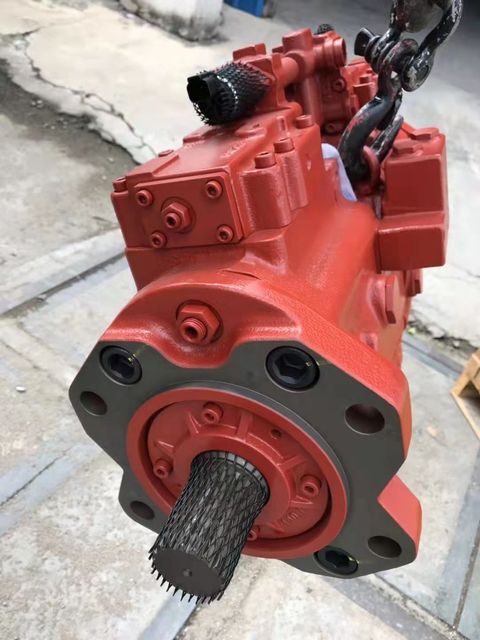
Fire and Machinery Insurance for Small Factories: What Policies Usually Miss
Running a small factory involves several risks that can affect production, equipment, inventory, and daily operations. A fire, electrical fault, machine breakdown, or unexpected accident can cause significant financial losses. Even a few days of downtime may affect customer orders, employee payments, and business income. Many factory owners purchase fire insurance to protect their buildings, machinery, and stock. However, a standard fire policy does not automatically cover every type of damage. Mechanical breakdown, electrical failure, lost production, and certain indirect expenses may require separate insurance or additional policy extensions.
1. Why Small Factories Need Fire and Machinery Insurance
A factory depends on several interconnected assets. These may include:
Factory buildings and structures.
Production machines and equipment.
Electrical panels, wiring, and generators.
Raw materials and components.
Work-in-progress inventory.
Finished products.
Computers and office equipment.
Tools, spare parts, and accessories.
Damage to one important asset can affect the entire production process.
For example, a fire in an electrical control room may damage wiring and machinery. Even if the building remains structurally sound, the factory may be unable to operate until repairs are completed.
Similarly, a major machine breakdown may stop production without causing any fire or visible external damage.
Insurance helps transfer certain financial risks to an insurer. However, the protection depends on the policy type, insured property, exclusions, limits, and conditions.
2. Understanding Fire Insurance for Small Factories
Fire insurance protects insured property against specified events listed in the policy.
In India, one commonly used commercial property policy is the Standard Fire and Special Perils (SFSP) Policy.
Depending on the policy wording and schedule, it can cover property such as:
Factory buildings.
Plant and machinery.
Electrical installations.
Furniture and fixtures.
Raw materials.
Finished goods.
Stock in process.
The standard policy covers specified perils, which can include fire, lightning, explosion or implosion, storm, cyclone, flood, inundation, and certain other listed events.
However, the exact protection depends on the policy wording and any selected extensions.
For example, a fire caused by an insured event may damage production equipment and stored materials. The policy may cover the insured physical damage, subject to its conditions and exclusions.
But if a machine stops working because of an internal mechanical failure without an insured external event, a standard fire policy may not pay for its repair.
3. What Is Machinery Breakdown Insurance?
Machinery Breakdown Insurance is designed to cover sudden and accidental physical damage to insured machinery caused by specified mechanical, electrical, electronic, or other internal failures, subject to the policy wording.
It can be relevant to factories that depend on machines for regular production.
Examples of equipment that may be insured include:
Industrial motors.
Compressors.
Generators.
Pumps.
Production machinery.
Machine tools.
Industrial electrical equipment.
Certain processing and packaging machines.
Consider a factory that uses an industrial compressor. If an unexpected internal mechanical failure causes serious damage, a machinery breakdown policy may respond to the repair or replacement cost, depending on the circumstances and exclusions.
However, it is important to understand that machinery breakdown insurance is not a maintenance contract. It does not normally cover every expense associated with an old or poorly maintained machine.
Fire Insurance vs. Machinery Breakdown Insurance
Feature | Fire insurance | Machinery breakdown insurance |
|---|---|---|
Main purpose | Protects insured property against listed external perils | Protects insured machinery against covered sudden internal breakdown |
Fire damage | Generally covered, subject to policy terms | Usually excluded as a fire peril |
Internal mechanical failure | Generally not covered | May be covered |
Electrical breakdown | Often excluded for the affected equipment under standard wording | May be covered, subject to exclusions |
Building damage | Can be covered | Usually not the main purpose |
Stock damage | Can be covered | Generally not covered unless specifically extended |
Production loss | Requires separate business interruption protection | Requires machinery loss of profit protection |
These policies address different risks. Having one does not automatically provide the protection offered by the other.
4. What Fire and Machinery Insurance Policies Usually Miss
A factory owner may assume that purchasing a comprehensive insurance policy protects every part of the business. In practice, several important gaps can remain.
1. Electrical Short Circuits and Internal Electrical Damage
Electrical problems are common concerns in manufacturing facilities.
A short circuit, overheating component, insulation failure, or electrical fault can damage equipment and interrupt operations.
A standard fire policy may exclude damage to the particular electrical or electronic machine affected by short-circuiting, arcing, or self-heating. However, subsequent fire damage to other insured property may be treated differently under the policy wording.
This distinction is important.
For example, an electrical fault may damage a control panel and then cause a fire that spreads to nearby stock. The policy treatment of the damaged panel and the resulting fire damage may differ.
What to check: Review the electrical damage exclusion and ask whether machinery breakdown insurance covers the relevant electrical equipment and failures.
2. Mechanical Wear and Tear
Machines gradually deteriorate through regular use.
Parts such as bearings, belts, gears, seals, and shafts may wear out over time. Rust, corrosion, scaling, and gradual deterioration are also common exclusions.
Machinery breakdown insurance generally focuses on sudden and accidental damage rather than predictable maintenance expenses.
For example, if a bearing fails because of gradual wear over several years, the cost of replacing it may not be covered.
What to check: Understand how the policy treats wear and tear, defective components, and damage to other insured parts caused by a covered breakdown.
3. Business Interruption and Lost Production
This is one of the most important gaps for small manufacturing businesses.
A factory may have insurance for its building and machinery but no cover for the income lost while operations are suspended.
Suppose a production machine is damaged in an insured event. Repairs take six weeks, and the factory cannot fulfil orders during that period.
The material damage policy may cover eligible physical damage, but it does not automatically pay for:
Lost business income.
Continuing fixed expenses.
Certain employee-related costs.
Additional operating expenses.
Delayed customer deliveries.
Businesses may need a separate business interruption policy or an appropriate extension.
Two important types of cover are:
Fire Loss of Profit (FLOP): Covers eligible financial losses resulting from business interruption caused by insured fire and allied perils.
Machinery Loss of Profit (MLOP): Covers eligible financial losses following an insured machinery breakdown.
Both are subject to their own conditions, waiting periods, exclusions, and indemnity limits.
What to check: Confirm whether business interruption protection is included and whether it applies to fire damage, machinery breakdown, or both.
4. Underinsurance of Machinery and Stock
Underinsurance happens when the insured amount is lower than the actual value of the property being protected.
This can occur when factory owners use old purchase prices instead of current replacement costs.
For example, a machine purchased several years ago for ₹20 lakh may now cost ₹32 lakh to replace with a comparable new machine.
If the policy still insures it for ₹20 lakh, the business may face a financial gap.
The same issue can affect stock. Raw material prices, production levels, and finished goods inventory can change throughout the year.
Some policies contain an average clause, which can reduce the claim payment when the declared sum insured is insufficient.
For illustration:
Particular | Amount |
|---|---|
Actual insured property value | ₹1 crore |
Sum insured | ₹70 lakh |
Assessed damage | ₹20 lakh |
Illustrative claim after average clause | ₹14 lakh |
The illustration assumes the average clause applies proportionately and excludes other deductions, such as excess or depreciation where relevant.
Some small-business products provide a limited underinsurance waiver subject to conditions. For example, the Chola MS Bharat Laghu Udyam Suraksha wording provides a 15% waiver under its stated conditions. This should not be assumed to apply to every commercial fire policy.
What to check: Review the sum insured for each asset category and understand whether the policy uses reinstatement value, market value, or another valuation method.
5. Machinery Installed or Purchased During the Year
Small factories regularly upgrade their production facilities.
A business may purchase a new machine, install an additional production line, or replace an older generator.
If the new equipment is not properly declared or covered under the existing policy, a claim may become complicated.
Some policies have provisions for additions and alterations, but these may have limits and notification requirements.
What to check: Ask how newly purchased equipment is covered, how quickly it must be declared, and whether temporary automatic coverage applies.
6. Damage to Hired or Leased Machinery
Not every factory owns all its equipment.
Some businesses rent generators, compressors, forklifts, packaging machines, and other industrial equipment.
A factory may be responsible for damage to hired machinery under its rental or leasing agreement.
However, the factory's own property policy may not automatically cover these assets.
What to check: Confirm whether hired, leased, or third-party machinery can be insured and whether the business has a financial interest or contractual responsibility that needs protection.
7. Damage to Property Belonging to Customers or Suppliers
Small manufacturing units often handle materials or products owned by other businesses.
For example, a factory may receive raw materials for processing, repair customer-owned machinery, or store finished goods belonging to a supplier.
If these items are damaged in a fire, the factory may face a contractual or legal liability.
A policy covering only the factory's own property may not automatically cover every third-party asset.
What to check: Review the wording for property held in trust, custody, or control. Confirm whether customer goods, job-work materials, and third-party stock are included and whether their values need to be declared separately.
8. Debris Removal and Additional Repair Expenses
After a serious fire or machinery accident, the factory may need to remove damaged materials, clear debris, and arrange specialist repair work.
These expenses can be substantial.
Some policies include limited allowances for debris removal, professional fees, and other related costs. However, these benefits may have percentage limits or require additional cover.
What to check: Review the limits for debris removal, architects' and surveyors' fees, dismantling, and other expenses. Confirm whether the limits are sufficient for the size and layout of the factory.
9. Machinery Testing and Commissioning
New machines often require installation, testing, and commissioning before they enter regular production.
Damage during installation or testing may be treated differently from damage occurring during normal operations.
Machinery breakdown wordings can contain specific conditions relating to installation, testing, and commissioning.
What to check: Confirm whether newly installed machinery is covered during testing and whether separate erection or construction insurance is needed.
10. Theft and Burglary
A fire policy should not automatically be treated as burglary insurance.
A factory may experience theft of copper cables, spare parts, tools, finished goods, or valuable equipment without any fire damage.
Depending on the policy, theft and burglary may be excluded or require separate cover.
What to check: Consider a separate burglary policy or an appropriate package extension. Review security requirements, forced-entry conditions, and limits for stock and equipment.
5. Important Insurance Covers Small Factory Owners Should Consider
A factory may need several insurance sections to protect its property and operations.
The exact combination depends on the manufacturing activity, machinery, stock levels, premises, and contractual obligations.
Insurance type | Main purpose |
|---|---|
Standard Fire and Special Perils | Protects insured property against listed fire and other specified events |
Machinery Breakdown | Covers eligible sudden and accidental machinery damage |
Electronic Equipment Insurance | Protects eligible electronic equipment against covered accidental damage |
Burglary Insurance | Covers specified theft and burglary losses |
Fire Loss of Profit | Covers eligible business interruption following insured fire events |
Machinery Loss of Profit | Covers eligible business interruption following insured machinery breakdown |
Public Liability Insurance | Covers certain legal liabilities for injury or property damage to third parties |
Workmen's Compensation / Employees' Compensation | Covers eligible employer liabilities arising from employee injuries or occupational incidents |
Some insurers also offer package products combining multiple sections. However, a package policy should not be assumed to cover every risk automatically.
For example, New India Assurance's Business All Risk Flexi Policy describes a package structure with material damage, machinery breakdown, and optional business interruption sections. Its actual scope depends on the sections selected and the policy schedule.
6. How Much Insurance Does a Small Factory Need?
There is no single insurance amount suitable for every factory.
The required coverage depends on the value of the property, the cost of replacing machinery, the maximum stock level, and the financial impact of production interruption.
A useful starting point is to prepare an asset inventory.
Building and Factory Premises
Estimate the cost of reconstructing the building using suitable construction and labour costs.
Land value is generally not included in the building sum insured.
Plant and Machinery
Prepare a list of all production equipment.
Include:
Machine name and model.
Purchase date.
Replacement value.
Installation cost where relevant.
Accessories and control systems.
Ownership status.
Location within the factory.
Check whether the policy insures machinery on a reinstatement or market-value basis.
Stock and Raw Materials
Calculate the maximum value of raw materials, work-in-progress, packaging materials, and finished goods that may be present at the factory.
Using only the average monthly stock value may leave the business underinsured during peak production periods.
Business Interruption
Estimate how long the factory may take to resume normal production after a serious incident.
Consider the time needed for:
Damage assessment.
Ordering replacement machinery.
Importing specialised components.
Repairing electrical systems.
Reinstalling equipment.
Testing production lines.
Receiving regulatory approvals, where applicable.
The selected indemnity period should reflect realistic recovery time rather than an arbitrary short duration.
7. Common Mistakes When Buying Factory Insurance
Some insurance gaps arise because the policy was selected mainly on price or convenience.
Common mistakes include:
Insuring machinery at its old purchase price: Replacement costs may have increased.
Ignoring stock fluctuations: Inventory may be much higher during busy production periods.
Assuming fire insurance covers machine breakdown: These are separate risks.
Not including business interruption: Physical damage protection does not automatically replace lost income.
Ignoring electrical equipment: Electrical damage exclusions can be important for modern factories.
Not declaring leased machinery: The business may have contractual responsibilities for equipment it does not own.
Overlooking customer-owned stock: Third-party property may need specific coverage.
Not checking deductibles: The factory may have to bear a significant part of each claim.
Ignoring policy warranties: Requirements relating to fire protection, maintenance, and safety systems may affect claims.
Not updating the policy: New machines, expanded premises, and higher inventory values should be reviewed.
8. How to Reduce Fire and Machinery Risks in a Factory
Insurance is only one part of factory risk management. Regular safety checks and preventive maintenance can reduce the likelihood and severity of incidents.
Maintain Electrical Systems
Arrange periodic inspection of electrical panels, wiring, earthing, motors, and distribution boards.
Look for overheating, loose connections, damaged insulation, and overloaded circuits.
Thermal imaging inspections may help identify certain electrical hotspots before they develop into larger problems.
Inspect Machinery Regularly
Follow the manufacturer's maintenance recommendations.
Check lubrication, bearings, belts, vibration, operating temperature, and abnormal noise.
Keep maintenance records and document important repairs.
Install Suitable Fire Protection
Depending on the factory's risk profile, suitable measures may include:
Fire extinguishers.
Smoke and heat detectors.
Fire alarms.
Sprinkler systems.
Hydrant systems.
Clearly marked emergency exits.
Fire-resistant storage arrangements.
The equipment should be appropriate for the type of fire risk. For example, electrical equipment and flammable liquids may require different firefighting arrangements.
Train Employees
Workers should understand basic fire safety procedures, emergency exits, evacuation arrangements, and reporting requirements.
Regular drills can help employees respond more effectively during emergencies.
Store Flammable Materials Safely
Paints, solvents, oils, chemicals, and other combustible materials should be stored according to applicable safety requirements.
Keep these materials away from ignition sources and maintain appropriate ventilation and storage arrangements.
Keep Insurance Records Updated
Maintain purchase invoices, machinery records, maintenance reports, stock statements, and photographs of important assets.
These documents may help establish ownership, value, and the circumstances of a loss during a claim assessment.
9. What to Check Before Purchasing a Factory Insurance Policy
Before signing a proposal or making a payment, review the following points.
Area | Questions to ask |
|---|---|
Property coverage | Are buildings, machinery, stock, and electrical installations included? |
Machinery breakdown | Are internal mechanical and electrical failures covered? |
Business interruption | Does the policy cover lost profit after fire and machinery breakdown? |
Valuation | Is the sum insured based on reinstatement value or market value? |
Underinsurance | Does an average clause apply? Is there any waiver? |
Deductibles | How much will the factory pay towards each claim? |
New machinery | How are new purchases and additions covered? |
Third-party property | Are customer-owned materials and goods included? |
Leased machinery | Is rented equipment covered? |
Exclusions | Are wear and tear, electrical damage, testing, and gradual deterioration excluded? |
Recovery period | Is the business interruption indemnity period long enough? |
Claim requirements | What documents and safety conditions are required? |
Read the full policy wording, schedule, endorsements, and Customer Information Sheet. An insurance brochure or sales quotation is not a substitute for the actual contract.
10. Frequently Asked Questions
1. Does fire insurance cover machinery breakdown?
Not automatically. Standard fire insurance generally covers physical damage caused by specified insured events. Internal mechanical or electrical breakdown may require separate machinery breakdown insurance.
2. Is machinery breakdown insurance necessary for small factories?
It can be useful for factories that depend on production equipment, compressors, motors, generators, or other machinery. The need depends on the cost of repairs, equipment value, downtime risk, and the factory's ability to absorb unexpected losses.
3. Does machinery breakdown insurance cover old machines?
Older machinery may be eligible, depending on the insurer's underwriting requirements and policy conditions. However, wear and tear, corrosion, known defects, and gradual deterioration are commonly excluded.
4. Does factory insurance cover stock and raw materials?
Some fire policies cover raw materials, work-in-progress, and finished goods when these are properly declared and included in the policy schedule. The owner should check the stock valuation method and maximum inventory exposure.
5. What is the difference between FLOP and MLOP insurance?
FLOP stands for Fire Loss of Profit and covers eligible financial losses following business interruption caused by insured fire and allied perils.
MLOP stands for Machinery Loss of Profit and covers eligible financial losses following insured machinery breakdown.
They are separate forms of business interruption protection.
6. Does fire insurance cover short circuits?
The treatment depends on the exact policy wording. Standard fire policies commonly exclude damage to the particular electrical machine or apparatus affected by short-circuiting, arcing, or self-heating. Subsequent fire damage to other insured property may still be considered under the applicable terms.
7. Can a small factory insure rented machinery?
Some policies can include hired or leased machinery, depending on the insurer's conditions and the insured's financial or contractual interest. The equipment should be declared correctly before coverage is assumed.
8. Does factory insurance cover loss of customers after a fire?
Not usually as a separate loss of customer relationships or future business opportunities. Business interruption insurance may cover certain financial losses during the insured interruption period, but loss of market, reputation, and other indirect losses may remain excluded.
Conclusion
Fire and machinery insurance can play an important role in protecting small factories from unexpected financial losses. However, purchasing a basic fire policy does not necessarily protect every machine, electrical installation, stock item, or business expense.
The most important gaps often involve internal machinery breakdown, electrical damage, underinsurance, business interruption, third-party property, and equipment purchased or leased after the original policy was issued.
Factory owners should evaluate their risks before choosing a policy. This includes checking machinery values, maximum stock levels, fire protection arrangements, repair costs, and the time required to restart production after an accident.
A suitable combination of property insurance, machinery breakdown protection, and business interruption cover can provide a more complete approach to factory risk management. The final decision should always be based on the actual policy wording, exclusions, endorsements, and business requirements.