How the Pharmaceutical Industry Is Transforming Modern Healthcare
The pharmaceutical industry is an important part of the global healthcare and manufacturing ecosystem. It focuses on the research, development, production, testing, packaging, and distribution of medicines and pharmaceutical products.
The industry includes pharmaceutical companies, active pharmaceutical ingredient (API) manufacturers, biotechnology businesses, research laboratories, contract development and manufacturing organizations (CDMOs), and pharmaceutical equipment suppliers.
Modern pharmaceutical manufacturing combines scientific research, chemical engineering, biotechnology, automation, and quality management. These activities help produce different categories of medicines while maintaining established manufacturing and regulatory requirements.
India has an important position in the global pharmaceutical industry because of its generic medicine production, vaccine manufacturing, research capabilities, and pharmaceutical exports.
Understanding pharmaceutical manufacturing, industry technology, suppliers, and regulatory requirements helps readers learn how this complex sector operates.
Importance of the Pharmaceutical Industry
The pharmaceutical industry contributes to healthcare infrastructure, scientific research, industrial development, and international trade.
Its importance extends beyond medicine production and includes several interconnected activities.
1. Medicine Research and Development
Pharmaceutical research and development involves discovering potential drug compounds, studying their characteristics, conducting laboratory investigations, and evaluating safety and effectiveness through appropriate clinical research.
Research teams include scientists, pharmacists, biotechnologists, chemists, and clinical research professionals.
2. Pharmaceutical Manufacturing
Pharmaceutical manufacturing converts approved formulations and active ingredients into finished products through controlled industrial processes.
Manufacturing activities can include:
Raw material preparation.
Chemical synthesis.
Mixing and formulation.
Tablet and capsule production.
Sterile manufacturing.
Quality testing.
Packaging and labeling.
3. Employment and Industrial Development
The sector supports employment across research, engineering, manufacturing, quality assurance, logistics, regulatory affairs, and pharmaceutical distribution.
It also creates demand for supporting industries such as industrial machinery, laboratory equipment, packaging materials, chemicals, and automation systems.
4. International Trade
Pharmaceutical products are distributed across international markets. Manufacturing standards, product registration, documentation, and regulatory compliance are important considerations for companies involved in pharmaceutical exports.
Major Segments of the Pharmaceutical Industry
The pharmaceutical industry includes several specialized segments that work together throughout the medicine development and manufacturing process.
1. Active Pharmaceutical Ingredients (API)
Active pharmaceutical ingredients are the substances responsible for the intended pharmacological activity of a medicine.
API manufacturing involves chemical synthesis, fermentation, purification, crystallization, and other specialized processes, depending on the substance.
API manufacturers must follow appropriate quality systems and manufacturing requirements.
2. Pharmaceutical Formulation Manufacturing
Formulation manufacturing combines active ingredients with suitable inactive ingredients to produce finished dosage forms.
Common pharmaceutical formulations include:
Tablets.
Capsules.
Oral liquids.
Creams and ointments.
Injections.
Powders.
Sterile preparations.
The formulation process depends on product characteristics, manufacturing requirements, and quality specifications.
3. Biotechnology and Biopharmaceuticals
Biopharmaceutical manufacturing uses biological systems to develop and produce products such as therapeutic proteins, vaccines, and certain advanced medicines.
This segment involves specialized technologies, including cell culture, fermentation, purification, and biological quality testing.
4. Contract Development and Manufacturing
Contract development and manufacturing organizations, commonly known as CDMOs, provide specialized development and manufacturing capabilities to pharmaceutical companies.
Their activities may include formulation development, analytical testing, process development, scale-up, and commercial manufacturing.
5. Pharmaceutical Research and Clinical Trials
Research organizations and clinical research organizations support different stages of pharmaceutical development.
Clinical research involves structured studies designed to evaluate investigational products according to applicable ethical and regulatory requirements.
Pharmaceutical Manufacturing Equipment and Technology
Pharmaceutical manufacturing requires specialized machinery and controlled production environments.
Equipment selection depends on the dosage form, production capacity, material characteristics, and applicable manufacturing standards.
Tablet Manufacturing Machines
Tablet manufacturing equipment converts prepared powder or granules into tablets using compression technology.
Common equipment includes granulators, blenders, tablet compression machines, and coating systems.
Capsule Filling Machines
Capsule filling machines are designed to fill powder, granules, or other suitable formulations into capsule shells.
Automated systems help manage filling operations and production consistency.
Pharmaceutical Packaging Machinery
Packaging equipment is used to protect pharmaceutical products and provide appropriate labeling and product information.
Common systems include:
Blister packaging machines.
Bottle filling machines.
Cartoning machines.
Labeling machines.
Strip packaging machines.
Automatic inspection systems.
Pharmaceutical Cleanroom Equipment
Cleanrooms provide controlled environments for manufacturing activities that require specific limits for airborne particles and other environmental conditions.
Equipment may include air filtration systems, cleanroom panels, pass boxes, air showers, and environmental monitoring systems.
Industrial Automation
Pharmaceutical automation systems support production monitoring, material handling, process control, and manufacturing documentation.
Automation technologies can include programmable logic controllers, supervisory control systems, sensors, and manufacturing execution systems.
Pharmaceutical Quality Control and Regulatory Compliance
Quality control and regulatory compliance are fundamental parts of pharmaceutical manufacturing.
Manufacturers must establish procedures that support product quality, manufacturing consistency, and appropriate documentation.
Good Manufacturing Practices
Good Manufacturing Practices (GMP) establish principles for controlled pharmaceutical production.
They cover areas such as:
Personnel training.
Facility design.
Equipment maintenance.
Raw material management.
Production documentation.
Quality control testing.
Cleaning procedures.
Product traceability.
Quality Assurance and Quality Control
Quality assurance focuses on the systems and procedures used to maintain manufacturing quality.
Quality control involves testing and evaluating materials, intermediate products, and finished pharmaceutical products against established specifications.
Pharmaceutical Process Validation
Process validation provides documented evidence that a manufacturing process can consistently produce results meeting predetermined requirements.
It may involve equipment qualification, process performance evaluation, cleaning validation, and analytical method validation.
Pharmaceutical Regulatory Authorities
In India, the Central Drugs Standard Control Organisation (CDSCO) plays an important role in drug regulation, while State Licensing Authorities also have responsibilities under the applicable regulatory framework.
International pharmaceutical manufacturers may also need to understand requirements from authorities such as the US Food and Drug Administration and the European Medicines Agency, depending on their target markets.
Recent Developments in the Indian Pharmaceutical Industry
India's pharmaceutical industry continues to develop through manufacturing investments, biotechnology initiatives, research infrastructure, and regulatory improvements.
Production Linked Incentive Schemes
The Government of India has introduced Production Linked Incentive schemes to support domestic pharmaceutical manufacturing and reduce dependence on imported critical ingredients.
The pharmaceutical PLI scheme has a financial outlay of ₹15,000 crore for the period from 2020–21 to 2028–29.
The separate bulk drugs PLI scheme supports domestic production of selected key starting materials, drug intermediates, and active pharmaceutical ingredients.
Biopharma SHAKTI Initiative
The Union Budget 2026–27 includes the Biopharma SHAKTI initiative with a proposed outlay of ₹10,000 crore over five years.
The initiative aims to strengthen India's biopharmaceutical research, manufacturing capabilities, and clinical research infrastructure.
Regulatory Developments
India has continued to update its pharmaceutical regulatory framework.
In January 2026, amendments to the New Drugs and Clinical Trials Rules, 2019 introduced a prior-intimation system for certain categories of drugs manufactured for analytical and non-clinical testing, subject to applicable exceptions.
These developments are relevant to pharmaceutical research organizations and manufacturing businesses.
Pharmaceutical Industry Supply Chain and Business Operations
The pharmaceutical supply chain connects raw material suppliers, API manufacturers, formulation companies, packaging businesses, distributors, and healthcare institutions.
Each stage requires appropriate inventory management, quality documentation, and coordination.
Pharmaceutical Raw Material Suppliers
Raw material suppliers provide ingredients and materials required for pharmaceutical manufacturing.
These may include APIs, excipients, solvents, packaging materials, and specialized chemicals.
Pharmaceutical Packaging Suppliers
Packaging suppliers provide materials such as blister films, aluminum foil, bottles, closures, labels, and cartons.
Packaging must meet the requirements of the particular product and its intended storage conditions.
Pharmaceutical Warehouse Management
Pharmaceutical warehouses require suitable storage conditions, inventory records, material identification, and traceability systems.
Temperature-sensitive products may require specialized cold-chain management and continuous monitoring.
Pharmaceutical ERP Software
Pharmaceutical ERP software helps businesses manage production planning, procurement, inventory, quality documentation, financial records, and distribution activities.
Such systems can support coordination across different manufacturing and business departments.
Future Trends in the Pharmaceutical Industry
Several technological and industrial developments are influencing the future of pharmaceutical manufacturing.
Artificial Intelligence in Drug Research
AI technologies are being explored for molecular analysis, research data evaluation, target identification, and development planning.
They may help researchers organize complex datasets and investigate potential research directions.
Advanced Pharmaceutical Manufacturing
Continuous manufacturing and process analytical technology are gaining attention because they can support improved process monitoring and manufacturing consistency.
Biologics and Biosimilars
Biologics and biosimilars are important areas of pharmaceutical research and manufacturing. Their production involves specialized biological processes and quality assessment systems.
Smart Pharmaceutical Factories
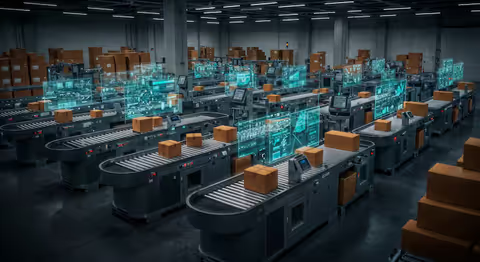
Connected sensors, automated production equipment, digital records, and industrial data systems are contributing to the development of smart manufacturing environments.
Sustainable Pharmaceutical Manufacturing
Manufacturers are increasingly evaluating energy efficiency, water management, waste reduction, and responsible chemical handling within their production facilities.
Tools and Resources for Pharmaceutical Industry Research
Several technical resources help professionals understand pharmaceutical manufacturing and business operations.
GMP documentation systems: Support manufacturing procedures and quality records.
Pharmaceutical ERP platforms: Help manage procurement, inventory, and production planning.
Laboratory information management systems: Support laboratory data and sample management.
Process validation tools: Assist in organizing validation documentation.
Regulatory databases: Provide information about applicable pharmaceutical requirements.
Supply chain management systems: Support material tracking and distribution coordination.
Environmental monitoring systems: Help monitor controlled manufacturing environments.
The suitability of these tools depends on business size, manufacturing activities, and regulatory responsibilities.
Frequently Asked Questions About the Pharmaceutical Industry
1. What is the pharmaceutical industry?
The pharmaceutical industry is the sector responsible for researching, developing, manufacturing, testing, packaging, and distributing pharmaceutical products.
2. What are the main segments of the pharmaceutical industry?
Major segments include API manufacturing, formulation production, biotechnology, pharmaceutical packaging, contract manufacturing, and clinical research.
3. What is pharmaceutical manufacturing?
Pharmaceutical manufacturing is the industrial process of producing medicines through activities such as ingredient preparation, formulation, processing, testing, and packaging.
4. What is an API in the pharmaceutical industry?
An Active Pharmaceutical Ingredient is the substance responsible for the intended pharmacological activity of a medicine.
5. What is GMP in pharmaceutical manufacturing?
Good Manufacturing Practices are quality principles and requirements designed to support consistent pharmaceutical production and appropriate product quality.
6. What is the role of pharmaceutical ERP software?
Pharmaceutical ERP software helps manage business activities such as inventory, purchasing, production planning, documentation, and financial operations.
7. What are the major pharmaceutical manufacturing technologies?
Common technologies include chemical synthesis, fermentation, tablet compression, capsule filling, sterile processing, filtration, purification, and automated packaging.
8. What is the role of CDSCO in India?
CDSCO is India's central drug regulatory authority. It performs regulatory functions relating to drugs and clinical trials under the applicable legal framework.
Conclusion
The pharmaceutical industry combines scientific research, manufacturing, biotechnology, engineering, and quality management to support the production and distribution of medicines.
Its major segments include API manufacturing, formulation production, pharmaceutical machinery, packaging, contract manufacturing, and biotechnology.
In India, manufacturing initiatives, regulatory developments, research investments, and digital technologies continue to influence the sector's development.
Understanding pharmaceutical manufacturers, suppliers, equipment, GMP requirements, automation, and supply chain operations provides useful insight into how the pharmaceutical industry functions and how it may evolve in the coming years.