Industrial Cooling Systems Technology and Applications in Modern Manufacturing Overview
Industrial cooling systems are essential technologies used to remove excess heat from machinery, processes, and environments in manufacturing operations. These systems help maintain optimal temperatures, ensuring equipment reliability, product quality, and operational efficiency. Industries such as automotive, chemicals, power generation, food processing, and electronics depend heavily on cooling systems to sustain continuous production.
In recent years, industrial cooling technology has evolved significantly with the adoption of energy-efficient designs, smart monitoring systems, and environmentally friendly refrigerants. Rising energy costs and stricter environmental regulations have encouraged industries to optimize cooling processes and reduce resource consumption. The integration of Industry 4.0 technologies has also enabled real-time monitoring and predictive maintenance of cooling systems.
This guide provides an overview of industrial cooling system technologies and their applications in modern manufacturing, helping businesses understand system selection and performance optimization.
Who It Affects and What Problems It Solves
Industrial cooling systems impact plant managers, engineers, maintenance teams, and production operators. These stakeholders rely on effective cooling to ensure smooth operations and prevent equipment damage.
Industries such as manufacturing, data centers, power plants, and chemical processing depend on cooling systems to maintain stable operating conditions. Efficient cooling is critical for both productivity and safety.
Problems It Solves
- Equipment Overheating: Prevents damage and extends machine lifespan
- Production Downtime: Ensures continuous operation
- Energy Inefficiency: Optimizes cooling processes to reduce energy use
- Product Quality Issues: Maintains consistent processing conditions
- Environmental Impact: Supports eco-friendly cooling solutions
- Maintenance Challenges: Enables predictive and preventive maintenance
Industrial cooling systems are vital for maintaining efficiency and reliability.
Recent Updates and Industry Trends
The industrial cooling sector has seen several developments over the past year:
- Energy-Efficient Cooling Technologies: Adoption of high-performance chillers and cooling towers
- Smart Cooling Systems: Integration with IoT and data analytics
- Eco-Friendly Refrigerants: Transition to low-GWP refrigerants
- Hybrid Cooling Systems: Combination of air and water cooling methods
- Liquid Cooling for Electronics: Increased use in data centers and high-performance computing
- Sustainability Initiatives: Focus on reducing water and energy consumption
In India, industrial growth and sustainability goals are driving adoption of advanced cooling technologies.
Industrial Cooling System Technologies
Air Cooling Systems
Air cooling uses ambient air to dissipate heat. It is suitable for smaller systems and environments where water usage is limited.
Water Cooling Systems
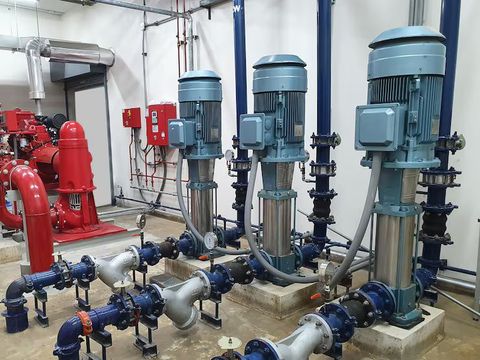
Water cooling systems use water as a medium for heat transfer, offering higher efficiency for large-scale operations.
Chiller Systems
Chillers provide precise temperature control and are widely used in manufacturing and data centers.
Cooling Towers
Cooling towers remove heat from water through evaporation, making them suitable for large industrial facilities.
Evaporative Cooling Systems
These systems use evaporation to cool air or water, offering energy-efficient solutions for industrial environments.
Comparison Table: Types of Cooling Systems
| Cooling System Type | Key Features | Common Applications |
|---|---|---|
| Air Cooling | Simple, low water usage | Electronics, small machinery |
| Water Cooling | High efficiency | Power plants, heavy industries |
| Chiller Systems | Precise temperature control | Manufacturing, data centers |
| Cooling Towers | Large-scale heat rejection | Industrial plants |
| Evaporative Cooling | Energy-efficient | HVAC, industrial facilities |
Laws, Policies, and Government Regulations
Industrial cooling systems are influenced by environmental and energy regulations.
Key Regulations
- Energy Efficiency Standards (India): Promote efficient system design
- Environmental Regulations: Control refrigerant usage and emissions
- Water Usage Policies: Regulate water consumption in cooling systems
- Industrial Safety Standards: Ensure safe operation
Practical Guidance
- Industries: Should adopt energy-efficient and compliant cooling systems
- Engineers: Must design systems with sustainability in mind
- Maintenance Teams: Conduct regular inspections and monitoring
- Compliance: Ensures environmental and operational efficiency
Following regulations supports sustainable and efficient operations.
Tools and Resources
Several tools and resources support industrial cooling system management:
Digital Tools
- Energy monitoring and management software
- Cooling system optimization platforms
Maintenance Tools
- Predictive maintenance systems
- Diagnostic tools for cooling equipment
Quality Control Tools
- Temperature and humidity monitoring systems
- Performance testing tools
Industry Resources
- Cooling system design standards
- Manufacturer technical documentation
Training Resources
- HVAC and mechanical engineering courses
- Energy efficiency certification programs
These resources help improve system performance and reliability.
Frequently Asked Questions (FAQ)
What are industrial cooling systems?
They are systems used to remove heat from machinery and processes in industrial environments.
Why are cooling systems important in manufacturing?
They maintain equipment performance, prevent overheating, and ensure product quality.
What is the most efficient cooling system?
Water cooling and chiller systems are generally more efficient for large-scale operations.
How can cooling efficiency be improved?
Through proper system design, maintenance, and use of advanced technologies.
What industries use industrial cooling systems?
Industries such as manufacturing, power generation, data centers, and chemical processing use these systems.
Conclusion
Industrial cooling systems are a critical component of modern manufacturing, ensuring efficient heat management and reliable operations. Advances in technology have improved system efficiency, sustainability, and integration with smart manufacturing systems.
Recent trends such as energy-efficient designs, smart monitoring, and eco-friendly refrigerants are shaping the future of industrial cooling. Data-driven insights indicate that businesses investing in advanced cooling systems benefit from reduced energy costs, improved productivity, and enhanced equipment lifespan.
For industries, selecting the right cooling system depends on operational requirements, environmental conditions, and regulatory compliance. While basic systems are suitable for smaller applications, advanced cooling technologies are essential for large-scale and high-performance operations. Overall, industrial cooling systems play a vital role in achieving efficient and sustainable manufacturing processes.