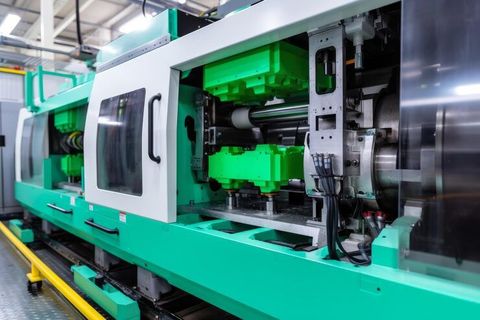
Injection Molding Machines Technology and Processing Methods Overview for Manufacturing
Injection molding machines are widely used in manufacturing to produce plastic components with high precision, repeatability, and efficiency. This process involves melting plastic material and injecting it into a mold cavity, where it cools and solidifies into the desired shape. It is commonly applied in industries such as automotive, packaging, electronics, medical devices, and consumer goods.
The relevance of injection molding technology has increased significantly in recent years due to the growing demand for mass production of complex and lightweight components. Manufacturers are focusing on improving cycle times, reducing material waste, and enhancing product consistency to remain competitive in global markets.
Recent developments highlight the adoption of automation, smart sensors, and data-driven control systems in injection molding operations. The rise of sustainable manufacturing has also encouraged the use of recyclable materials and energy-efficient machines. As industries transition toward Industry 4.0, injection molding continues to evolve as a critical process for scalable and high-quality production.
Who It Affects and What Problems It Solves
Injection molding machines impact a wide range of stakeholders, including manufacturing engineers, production managers, product designers, and quality assurance teams. Industries that require high-volume production of plastic parts rely heavily on this technology to achieve uniformity and cost efficiency.
Small manufacturers benefit from entry-level or hybrid machines for flexible production, while large-scale industries depend on fully automated systems for continuous and high-speed output. Additionally, contract manufacturers use injection molding to produce customized components for multiple sectors.
Problems It Solves
- Inconsistent Product Quality: Provides high repeatability and uniform dimensions.
- High Production Costs: Reduces per-unit cost in mass production.
- Material Waste: Optimized processes minimize scrap and excess usage.
- Complex Design Limitations: Enables production of intricate shapes with tight tolerances.
- Manual Labor Dependency: Automation reduces reliance on manual processes.
Recent Updates and Trends
Injection molding technology has undergone several advancements in the past year:
- Smart Manufacturing Integration (2025–2026): Use of IoT-enabled machines for real-time monitoring and predictive maintenance.
- All-Electric Machines Growth: Increasing adoption due to higher energy efficiency and precision control.
- Sustainable Materials: Rise in biodegradable and recycled plastics in production processes.
- Advanced Simulation Software: Improved mold design and process optimization through digital twin technology.
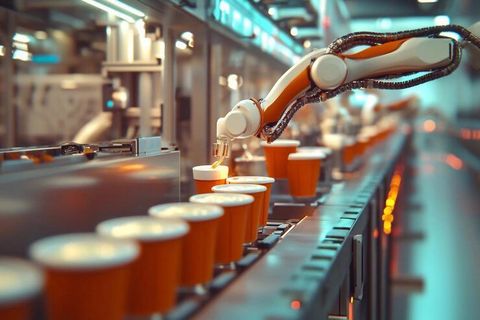
- Automation and Robotics: Use of robotic arms for part removal, inspection, and packaging.
These trends reflect a shift toward efficient, sustainable, and digitally connected manufacturing environments.
Injection Molding Machine Types and Processing Comparison
| Machine Type | Drive System | Accuracy Level | Energy Efficiency | Suitable Applications |
|---|---|---|---|---|
| Hydraulic Machine | Hydraulic system | Moderate | Low | Heavy-duty and large components |
| Electric Machine | Servo motor | Very High | High | Precision parts and electronics |
| Hybrid Machine | Hydraulic + Electric | High | Medium to High | Balanced performance and flexibility |
Processing Methods Overview
| Processing Method | Description | Key Benefit |
|---|---|---|
| Standard Injection | Molten plastic injected into mold | High-volume production |
| Overmolding | Multiple materials combined in one product | Enhanced functionality |
| Insert Molding | Metal or other inserts placed in mold | Stronger components |
| Gas-Assisted Molding | Gas used to create hollow sections | Reduced material usage |
| Micro Injection | Produces very small components | High precision for medical devices |
Laws and Policies
Injection molding operations are influenced by industrial regulations related to safety, environment, and product quality.
Key Regulatory Areas
- Industrial Safety Standards: Machines must comply with safety norms to protect operators from high pressure and temperature hazards.
- Environmental Regulations: Guidelines for plastic waste management and emissions control.
- Quality Standards: Compliance with ISO standards for manufacturing consistency and product reliability.
- Material Regulations: Restrictions on hazardous substances in plastics, especially in electronics and medical industries.
Practical Guidance
- Use electric or hybrid machines for energy-efficient and environmentally compliant production.
- Implement waste management systems to handle plastic scrap responsibly.
- Ensure regular machine calibration and maintenance for consistent quality.
- Follow industry-specific standards for applications such as medical or food-grade products.
Tools and Resources
Various tools and resources support efficient injection molding operations:
Design and Simulation Tools
- CAD software for mold design
- Mold flow analysis tools for process optimization
- Digital twin technology for performance prediction
Operational Tools
- PLC systems for automation control
- Sensors for temperature, pressure, and flow monitoring
- Human Machine Interface (HMI) for real-time control
Maintenance and Quality Tools
- Predictive maintenance software
- Quality inspection systems (vision-based)
- Calibration and testing equipment
Learning and Industry Resources
- Technical training programs for operators
- Industry guidelines and manufacturing standards
- Research publications on advanced materials and processes
Frequently Asked Questions (FAQ)
What is an injection molding machine used for?
It is used to manufacture plastic parts by injecting molten material into a mold, enabling high-volume production with consistent quality.
Which type of injection molding machine is most efficient?
Electric machines are generally the most energy-efficient and precise, making them suitable for high-precision applications.
What factors affect injection molding quality?
Key factors include temperature control, pressure settings, mold design, material quality, and machine calibration.
What is the difference between overmolding and insert molding?
Overmolding combines multiple materials in layers, while insert molding integrates pre-placed components such as metal inserts into the plastic part.
Is injection molding suitable for small-scale production?
While it is most cost-effective for large volumes, small-scale production is possible using flexible or hybrid machines.
Conclusion
Injection molding machines are a fundamental component of modern manufacturing, enabling the efficient production of complex and high-quality plastic components. Industry data and trends indicate that automation, energy efficiency, and material innovation are driving improvements in performance and sustainability.
The choice of machine type and processing method depends on factors such as production volume, product complexity, and regulatory requirements. Electric machines offer precision and energy savings, while hybrid systems provide flexibility for diverse applications.
In conclusion, adopting advanced injection molding technologies and optimized processing methods allows manufacturers to improve productivity, reduce costs, and meet evolving industry standards. This makes injection molding a strategic and reliable solution for scalable and efficient manufacturing.