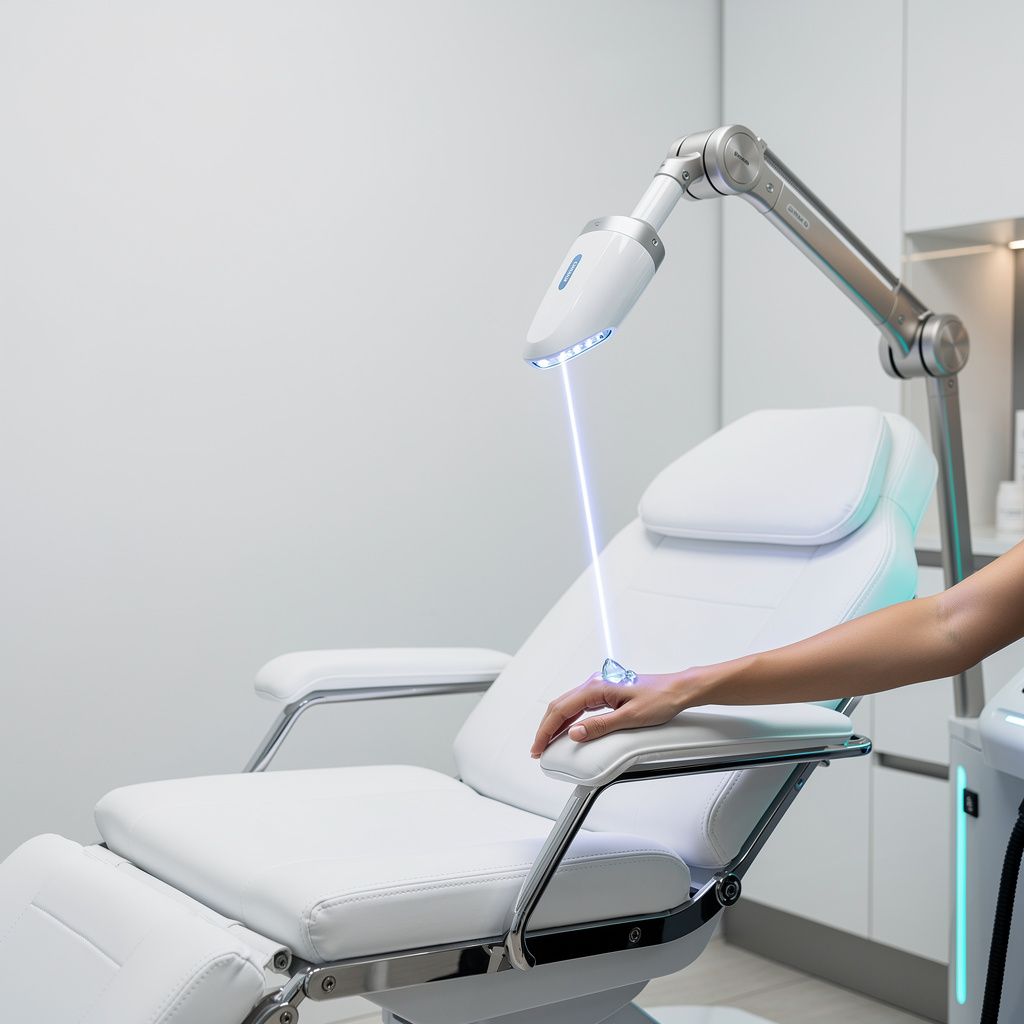
Laser Skin Treatment: Complete Guide to Procedures and Results
Explore laser skin treatment technologies, including how different laser types target specific skin concerns, expected results, recovery timelines, and key factors for selecting the right procedure for your skin type and goals.
Laser skin treatment has become one of the most widely adopted dermatological procedures worldwide, with millions of treatments performed annually across aesthetic and medical settings. These treatments use concentrated light energy to precisely target specific skin concerns, from age-related wrinkles and sun damage to acne scars and unwanted pigmentation. Unlike topical creams or invasive surgical procedures, laser treatments offer a middle ground—they can deliver measurable results with controlled downtime and minimal systemic effects. Understanding how different laser technologies work, what results are realistic, and how to prepare properly is essential for anyone considering these procedures.
How Laser Skin Treatment Technology Works at the Cellular Level
Laser skin treatments operate on a fundamental principle: selective photothermolysis, which means using specific wavelengths of light to target particular skin structures while leaving surrounding tissue relatively unharmed. Different laser wavelengths penetrate to different depths within the skin. Shorter wavelengths (like those in the ultraviolet range) are absorbed by superficial layers, while longer wavelengths (infrared) penetrate deeper into the dermis where collagen resides.
When laser energy reaches target tissue, it causes controlled thermal damage. This damage triggers the body's natural healing response, stimulating fibroblasts to produce new collagen and elastin. Simultaneously, damaged cells are removed through the body's lymphatic system. The wavelength, pulse duration, and power settings determine whether the laser primarily removes tissue (ablative) or stimulates remodeling without significant removal (non-ablative).
Three Primary Categories of Laser Skin Treatments and Their Mechanisms
Ablative Lasers: Removing Damaged Tissue Layers
Ablative lasers vaporize the outer skin layers, making them the most aggressive option. CO2 lasers (10,600 nanometers) and Erbium lasers (2,940 nanometers) are the primary ablative technologies. CO2 lasers penetrate deeper and remove more tissue, making them effective for severe wrinkles, deep scars, and significant sun damage. Erbium lasers are more precise and remove tissue with less thermal injury to surrounding areas, resulting in faster healing.
Ablative treatments produce dramatic results but require significant downtime—typically 1-2 weeks of visible redness and peeling, with full recovery taking 2-3 months. These procedures are most suitable for individuals with fair to medium skin tones, as darker skin types face higher risks of pigmentation changes.
Non-Ablative Lasers: Stimulating Collagen Without Removal
Non-ablative lasers heat the dermis without removing the epidermis, making them gentler with minimal downtime. Nd:YAG lasers (1,064 nanometers), diode lasers (800-810 nanometers), and alexandrite lasers (755 nanometers) fall into this category. These treatments stimulate collagen remodeling gradually, requiring multiple sessions (typically 4-6) spaced 4-6 weeks apart to see meaningful results.
Non-ablative treatments are ideal for individuals seeking subtle improvements, those with darker skin tones (lower pigmentation change risk), or those unable to tolerate downtime. Results develop gradually over 3-6 months as collagen rebuilds, but the final outcome is generally less dramatic than ablative treatments.
Fractional Lasers: Hybrid Approach with Controlled Precision
Fractional lasers divide the beam into thousands of microscopic columns, treating only a fraction of the skin surface at a time. This allows ablative treatments to be performed with moderate downtime or non-ablative treatments to be more effective. Fractional CO2 and fractional Erbium lasers can be tuned for varying intensity levels, making them versatile for different skin types and concerns.
Fractional treatments typically require 5-10 days of noticeable recovery, with results visible within weeks and continuing to improve over several months. They represent a practical middle ground for many patients.
Specific Skin Concerns and Which Laser Technologies Address Them

| Skin Concern | Recommended Laser Type | Mechanism | Expected Sessions | Timeline to Results |
|---|---|---|---|---|
| Facial Wrinkles & Fine Lines | Fractional CO2 or Erbium | Collagen stimulation and tissue remodeling | 1-3 | 3-6 months |
| Acne Scars (Rolling/Boxcar) | Fractional CO2 or Erbium | Tissue removal and collagen induction | 3-5 | 6-12 months |
| Sun Damage & Age Spots | Q-switched Nd:YAG or Alexandrite | Melanin absorption and pigment removal | 2-4 | 2-4 weeks |
| Rosacea & Redness | Nd:YAG or Diode Laser | Vascular coagulation | 3-5 | 4-8 weeks |
| Port-Wine Stains & Birthmarks | Pulsed Dye or Q-switched Nd:YAG | Selective vascular destruction | 6-10 | Months to years |
| Melasma & Hyperpigmentation | Fractional Non-ablative or Picosecond | Melanin disruption without epidermal removal | 4-8 | 3-6 months |
| Stretch Marks | Fractional CO2 or Erbium | Collagen remodeling in scar tissue | 3-6 | 6-12 months |
Current Technological Innovations Reshaping Laser Treatments
Picosecond Laser Technology
Picosecond lasers deliver energy in trillionths of a second, creating a photoacoustic effect that shatters pigment into smaller particles more efficiently than traditional nanosecond lasers. This technology is particularly effective for tattoo removal and stubborn pigmentation issues, requiring fewer sessions and producing less collateral thermal damage.
Combination and Hybrid Approaches
Modern practices increasingly combine multiple laser wavelengths in single treatment sessions. For example, a practitioner might use a Q-switched laser to address pigmentation, followed by a fractional laser to stimulate collagen. This approach maximizes results while managing downtime strategically.
Artificial Intelligence and Customization
Newer laser systems incorporate AI-assisted settings that analyze skin type, tone, and specific concerns to recommend optimal parameters. This reduces operator variability and improves safety, particularly for diverse skin types.
Essential Pre-Treatment Preparation and Expectations
Proper preparation significantly impacts treatment safety and results. Begin with a thorough consultation where a qualified practitioner assesses your skin type using the Fitzpatrick scale (1-6), discusses your concerns and goals, and explains realistic outcomes. During this consultation, disclose all medications, supplements, and skincare products you use, as some increase photosensitivity or bleeding risk.
Two weeks before treatment, discontinue retinoids, vitamin C serums, and other potentially irritating products. Avoid sun exposure and use broad-spectrum SPF 30+ daily, as tanned or sun-damaged skin increases complication risks. If you have a history of cold sores or herpes simplex, discuss prophylactic antiviral medication with your practitioner. Avoid blood-thinning medications and supplements (aspirin, ibuprofen, fish oil, vitamin E) for one week prior if medically safe to do so.
Post-Treatment Recovery Protocols and Timeline Expectations
Recovery varies dramatically based on laser type and intensity. Immediately after non-ablative treatments, expect mild redness and warmth lasting a few hours. Ablative and fractional treatments produce more significant effects: the skin appears red and swollen for 3-7 days, followed by visible peeling and flaking for 1-2 weeks.
During recovery, keep the treated area clean and moisturized using recommended products only. Avoid direct sun exposure for at least 4 weeks, using SPF 50+ daily. Most practitioners recommend avoiding makeup for 24-48 hours after ablative treatments. Strenuous exercise, saunas, and swimming should be avoided for 1-2 weeks to prevent infection and complications.
Results develop gradually. Initial improvements appear within 2-4 weeks, but optimal results typically emerge over 3-6 months as collagen remodeling completes. Multiple sessions spaced 4-8 weeks apart are often necessary for optimal outcomes, particularly with non-ablative treatments.
Comparing Laser Treatments to Alternative Skin Improvement Methods
Laser treatments compete with several other modalities. Chemical peels use acids to exfoliate and stimulate collagen, offering less precise control but lower cost. Microneedling creates controlled micro-injuries to stimulate collagen without thermal damage, requiring more sessions but suitable for all skin types. Dermal fillers and botulinum toxin address wrinkles through different mechanisms—fillers add volume while botulinum toxin relaxes muscles—but don't address skin texture or pigmentation. Topical retinoids work gradually over months with minimal downtime but produce less dramatic results than laser treatments.
Laser treatments typically deliver faster, more dramatic results than topical treatments but require more downtime and higher investment than non-invasive alternatives. The choice depends on your specific concerns, skin type, downtime tolerance, and budget.
Selecting a Qualified Practitioner and Evaluating Clinic Standards
Treatment quality depends entirely on practitioner expertise and equipment quality. Seek practitioners who are board-certified dermatologists or plastic surgeons, or licensed aestheticians working under physician supervision. Verify credentials through state medical boards and professional organizations like the American Academy of Dermatology.
During clinic evaluation, observe whether the facility maintains strict sterilization protocols, uses FDA-approved equipment, and conducts thorough skin assessments before treatment. Ask about the practitioner's experience with your specific skin type and concern. Reputable practitioners should discuss realistic outcomes, potential complications, and alternative options without pressure to proceed.
Request before-and-after photos of actual patients with similar skin types and concerns. Be cautious of clinics promising dramatic results with minimal downtime or those using outdated equipment. The cheapest option often reflects lower-quality equipment or less experienced practitioners, increasing complication risks.
Actionable Decision-Making Framework for Laser Treatment Selection
- Define Your Primary Concern: Identify whether you're addressing wrinkles, scars, pigmentation, vascular lesions, or texture issues, as different lasers target different problems.
- Assess Your Skin Type: Determine your Fitzpatrick skin type (fair to very dark) with a dermatologist, as this significantly impacts laser selection and complication risks.
- Evaluate Downtime Tolerance: Honestly assess how much recovery time you can accommodate—ablative treatments require 1-3 weeks, while non-ablative treatments need minimal downtime.
- Set Realistic Expectations: Understand that laser treatments improve but rarely eliminate concerns entirely. Expect 50-80% improvement for most conditions with appropriate treatment.
- Research Practitioner Credentials: Verify board certification and experience with your specific skin type and concern through multiple sources.
- Conduct a Patch Test: Request a small test area treatment to observe how your skin responds before committing to full-face treatment.
- Plan for Multiple Sessions: Budget for 3-6 sessions spaced 4-8 weeks apart for most conditions, as single treatments rarely produce optimal results.
- Establish Post-Care Commitment: Confirm your ability to follow strict sun protection and skincare protocols for 4-12 weeks post-treatment.
Advanced Tips and Practical Best Practices for Optimal Outcomes
Timing and Seasonality: Schedule laser treatments during seasons with less sun exposure and lower outdoor activity. Fall and winter are ideal for ablative treatments requiring extended recovery and sun avoidance.
Combination Treatments: Discuss combining laser treatments with other modalities—for example, laser resurfacing followed by microneedling 6-8 weeks later can enhance collagen stimulation. However, these should be spaced appropriately to allow healing between procedures.
Maintenance Sessions: Plan for annual or biannual maintenance treatments after completing initial series, as skin continues aging and environmental damage accumulates. Maintenance sessions are typically less intensive than initial treatments.
Skincare Optimization: Maximize laser results through consistent post-treatment skincare including medical-grade moisturizers, broad-spectrum sunscreen, and appropriate serums recommended by your practitioner. Quality skincare extends treatment benefits significantly.
Photography Documentation: Request professional before-and-after photos from your clinic. These provide objective evidence of results and serve as valuable reference for future practitioners if needed.
Comprehensive FAQ: Addressing Common Laser Treatment Questions
How painful are laser skin treatments?
Pain levels vary by laser type and individual sensitivity. Most patients describe non-ablative treatments as feeling like mild snapping sensations or slight heat. Ablative treatments are more uncomfortable, often requiring topical anesthesia or local anesthesia for larger areas. Your practitioner will discuss pain management options during consultation and can adjust settings to improve comfort during treatment.
Can laser treatments be performed on all skin types?
While laser treatments can be performed on darker skin types, certain lasers carry higher complication risks including pigmentation changes. Non-ablative Nd:YAG and alexandrite lasers are generally safer for darker skin, while ablative CO2 lasers require more caution. Fractional lasers have expanded options for diverse skin types. A qualified practitioner should assess your specific skin type and recommend appropriate options.
What are the most common complications and how are they managed?
Temporary complications include redness, swelling, and mild discomfort lasting days to weeks. More serious but rare complications include infection, scarring, pigmentation changes, and prolonged erythema. These typically occur with improper technique, inadequate aftercare, or inappropriate laser selection for skin type. Choosing a qualified practitioner and following post-care instructions meticulously minimizes these risks dramatically.
How long do laser treatment results last?
Results vary by treatment type and concern. Pigmentation removal results are often permanent, though new sun damage can occur. Collagen-stimulating treatments provide results lasting 1-3 years before gradual regression as aging continues. Vascular treatments for rosacea or redness may require maintenance sessions every 1-2 years. Sun protection and quality skincare significantly extend results longevity.
Can I combine laser treatments with other procedures like fillers or botulinum toxin?
Yes, but timing matters. Most practitioners recommend spacing laser treatments and injectable procedures by at least 2 weeks to allow proper healing and prevent complications. Some practitioners combine treatments strategically—for example, using laser for texture and tone while using fillers for volume loss. Discuss your full treatment plan with your practitioner to ensure safe sequencing.
Are results visible immediately after treatment?
Immediate results depend on treatment type. Pigmentation treatments often show visible improvement within days as pigment is shed. Collagen-stimulating treatments show minimal immediate change, with results developing gradually over weeks and months. Most patients see noticeable improvement within 2-4 weeks, with continued improvement for 3-6 months as collagen remodeling completes.
Key Takeaways and Action Steps for Informed Decision-Making
Laser skin treatments represent a scientifically sound approach to addressing multiple skin concerns through controlled light energy. Understanding the differences between ablative, non-ablative, and fractional technologies allows you to identify which approach aligns with your specific concerns, skin type, and lifestyle. Realistic expectations—understanding that treatments improve rather than eliminate concerns and require multiple sessions—prevent disappointment and support satisfaction with results.
Your next steps should include scheduling consultations with board-certified dermatologists or qualified practitioners to assess your skin and discuss personalized recommendations. Request before-and-after photos specific to your skin type and concern, ask detailed questions about their experience and complication rates, and ensure you understand the full treatment timeline and post-care requirements before committing. Finally, prioritize sun protection and quality skincare both before and after treatment, as these factors significantly impact safety and results quality. With proper preparation, realistic expectations, and qualified practitioners, laser treatments can deliver meaningful, lasting improvements to skin appearance and health.