LED Ceiling Lights Guide: Explore Tips, Insights, and Helpful Resources
LED ceiling lights are lighting systems installed on ceilings that use light-emitting diode technology to produce illumination. Unlike traditional incandescent or fluorescent lighting, LEDs generate light through semiconductor technology that converts electrical energy directly into visible light. This method allows lighting fixtures to operate with high energy efficiency and improved longevity.
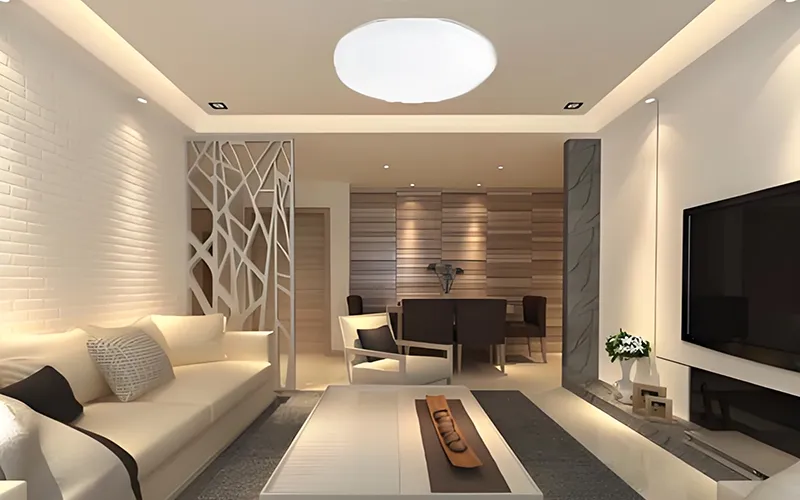
Ceiling lighting plays an essential role in interior illumination because it distributes light evenly across a room. LED ceiling lights are designed for residential, commercial, and industrial environments where consistent brightness and reliable lighting performance are needed.
Modern LED ceiling lights are available in various configurations such as panel lights, recessed lights, flush mounts, and smart lighting fixtures. These designs help optimize light coverage while maintaining energy efficiency and aesthetic integration with modern interiors.
Several technical concepts help explain how LED ceiling lights function effectively:
- Luminous efficacy measures how efficiently electrical energy converts into visible light.
- Color temperature describes the warmth or coolness of the light output.
- Lumen output indicates the brightness level produced by the lighting fixture.
- Power factor and voltage regulation ensure stable performance and electrical safety.
Because of these characteristics, LED ceiling lighting has become an important part of energy-efficient lighting systems used in modern buildings.
Why LED Ceiling Lighting Matters Today
Lighting technology has a direct impact on energy consumption, environmental sustainability, and indoor comfort. LED ceiling lights help address several challenges related to lighting efficiency and energy optimization.
Traditional lighting technologies consume more electricity while generating significant heat. LEDs operate with lower power consumption and minimal heat emission, which contributes to improved energy management within homes and buildings.
This topic matters for a wide range of groups including:
- Homeowners improving interior lighting efficiency
- Architects designing energy-efficient buildings
- Facility managers responsible for building operations
- Businesses optimizing power consumption
- Urban planners promoting sustainable infrastructure
Energy-efficient lighting systems can reduce electricity demand across large buildings and public infrastructure. This reduction supports broader sustainability goals such as lowering carbon emissions and improving overall energy performance.
LED ceiling lights also address several practical problems associated with older lighting technologies:
- Frequent bulb replacements
- Inconsistent brightness levels
- Higher electricity consumption
- Heat buildup near lighting fixtures
- Limited lighting control options
Modern LED fixtures often support dimming technology, smart lighting integration, and automated brightness adjustment. These features allow users to maintain comfortable lighting conditions while improving energy efficiency.
Trends and Developments in LED Lighting Technology
Lighting technology continues to evolve as research and development focus on energy optimization and smart building integration. Several developments have recently influenced LED ceiling lighting systems.
Smart lighting integration has become increasingly common in residential and commercial buildings. LED ceiling lights can now connect with digital control systems, allowing automated brightness adjustments based on occupancy, daylight availability, or programmed schedules.
Another notable development is the advancement of high-efficiency LED drivers and improved semiconductor materials. These improvements increase lumen output while reducing energy consumption.
Human-centric lighting is another emerging trend. This approach focuses on adjusting color temperature and brightness throughout the day to support natural circadian rhythms. LED ceiling lights are particularly suitable for this technology because they can easily adjust color temperature settings.
In addition, modern LED lighting fixtures now incorporate improved heat management systems. Advanced heat sinks and thermal materials help maintain optimal performance and extend the lifespan of lighting components.
Energy monitoring systems are also becoming more common in smart buildings. LED lighting networks can connect with energy management platforms that analyze electricity consumption and optimize lighting usage across large facilities.
The following table illustrates a simplified comparison between common lighting technologies
| Lighting Technology | Energy Efficiency | Average Lifespan | Heat Emission | Lighting Control Capability |
|---|---|---|---|---|
| Incandescent Lighting | Low | Short | High | Limited |
| Fluorescent Lighting | Moderate | Medium | Moderate | Partial |
| LED Ceiling Lighting | High | Long | Low | Advanced |
These developments highlight the ongoing transition toward intelligent lighting ecosystems.
Regulatory Framework and Energy Policies
Lighting technologies are often influenced by energy efficiency regulations and government programs designed to reduce electricity consumption. LED ceiling lights align with many of these regulatory goals because they support efficient power usage.
Energy performance standards typically define minimum efficiency requirements for lighting products. These standards encourage the use of technologies that produce higher lumen output with lower energy input.
Many countries also implement building efficiency guidelines that promote energy-efficient lighting in residential and commercial structures. These guidelines may include recommendations for LED lighting, smart controls, and automated lighting systems.
Energy labeling programs also help inform consumers about lighting efficiency. These labels provide standardized information regarding brightness levels, power consumption, and expected lifespan.
In addition, environmental policies often encourage the reduction of hazardous materials used in older lighting technologies. LED lighting generally avoids many of the substances associated with traditional fluorescent lamps.
Government initiatives that support sustainable infrastructure frequently emphasize efficient lighting systems as part of broader energy management strategies. As a result, LED ceiling lights are widely recognized as a key component in modern energy-efficient building design.
Tools and Resources for Understanding LED Lighting
A variety of tools and resources help individuals and organizations evaluate LED ceiling lighting performance and energy efficiency.
Lighting design software can simulate room illumination and help determine the appropriate placement of ceiling fixtures. These tools are commonly used by architects and lighting engineers during building planning.
Energy consumption calculators are also helpful for estimating electricity usage based on lumen output, wattage, and operating hours. These calculators allow users to understand how lighting choices affect overall power consumption.
Other useful resources include:
- Lighting efficiency calculators
- Photometric analysis software
- Smart lighting control applications
- Interior lighting planning templates
- Energy management dashboards
- Electrical load estimation tools
- Lighting layout visualization software
The table below illustrates common lighting metrics used in LED ceiling lighting analysis
| Lighting Metric | Description | Importance |
|---|---|---|
| Lumens | Measurement of light output | Determines brightness level |
| Watts | Measurement of power consumption | Indicates energy usage |
| Color Temperature | Light appearance from warm to cool | Influences room atmosphere |
| CRI (Color Rendering Index) | Accuracy of color appearance | Important for visual clarity |
| Beam Angle | Light distribution area | Affects room illumination |
These resources support better understanding of how LED lighting systems function in different environments.
Common Questions About LED Ceiling Lights
What makes LED ceiling lights different from traditional lighting?
LED ceiling lights use semiconductor technology to generate light efficiently. This process consumes less electrical energy and produces less heat compared with traditional incandescent or fluorescent lighting.
How long do LED ceiling lighting systems typically operate effectively?
LED lighting components are designed to operate for extended periods because they experience less filament wear and reduced heat stress compared with older lighting technologies.
What factors influence the brightness of LED ceiling lights?
Brightness depends on lumen output, fixture design, beam angle, and the number of LED chips integrated within the lighting fixture.
Why is color temperature important in ceiling lighting?
Color temperature determines whether light appears warm, neutral, or cool. Different settings create different visual environments suitable for living spaces, workspaces, or task lighting.
Can LED ceiling lights integrate with smart home systems?
Many modern LED ceiling lights support digital connectivity, enabling integration with smart lighting controllers, automation systems, and energy monitoring platforms.
Conclusion
LED ceiling lights represent a significant advancement in lighting technology. By using semiconductor-based illumination, these lighting systems provide high energy efficiency, reliable brightness, and improved thermal performance.
The increasing adoption of LED lighting reflects broader changes in building design, energy management, and environmental sustainability. Advances in smart lighting systems, human-centric lighting concepts, and improved energy monitoring tools continue to expand the capabilities of LED ceiling lighting.
Understanding lighting metrics such as lumens, color temperature, and energy efficiency helps individuals make informed decisions when planning interior illumination. With ongoing innovation and supportive energy policies, LED ceiling lights remain an important component of modern lighting infrastructure and efficient building design.