Modulating Burners: Insights Into Fuel Control, Flame Adjustment, Efficiency and Burner Operation
A modulating burner is a combustion device that automatically adjusts its firing rate according to the heat demand of an industrial or commercial process. Unlike a burner that operates mainly at one fixed output, a modulating burner can increase or decrease fuel and air flow within a defined operating range.
The purpose is to match heat production more closely with the actual requirement of equipment such as boilers, ovens, furnaces, dryers, heaters, and thermal processing systems. This approach can help maintain a more stable operating temperature while reducing unnecessary periods of high firing.
A typical modulating burner combines a combustion head, fuel-control arrangement, air-control mechanism, ignition system, flame-monitoring equipment, and a control system. Depending on the design, the burner may use natural gas, liquefied petroleum gas, diesel, fuel oil, or another approved fuel.
How Modulation Developed
Traditional combustion equipment often used simple on-off control. When heat was required, the burner operated at its designated firing rate; when the target temperature was reached, it stopped. This method is relatively straightforward but can create repeated temperature fluctuations when the heat requirement changes frequently.
Two-stage burners introduced another approach by allowing operation at a lower and higher firing level. Modulating burners extend this principle by allowing the firing rate to change across a wider operating range.
Modern systems can use electronic controllers, proportional valves, variable-speed fans, oxygen measurement, temperature sensors, and automated combustion management. These components allow the burner to respond to changing process conditions.
Basic Components
A modulating burner may contain several interconnected parts:
Burner head for mixing fuel and combustion air
Fuel valve for regulating fuel flow
Air damper or variable-speed fan for controlling combustion air
Ignition system for starting combustion
Flame detector for confirming flame presence
Controller for coordinating operating parameters
Temperature or pressure sensor for measuring process demand
Safety controls for responding to abnormal conditions
The exact arrangement varies according to fuel type, burner capacity, combustion chamber design, and operating environment.
Importance
Why Modulation Matters
Heat demand is rarely constant in many industrial processes. A drying chamber may require different heat input during startup than during steady operation, while a boiler can experience changing demand as steam or hot-water requirements change.
A modulating burner adjusts its firing rate to these changes. Instead of repeatedly operating at full output and then stopping, it can operate at an intermediate level when the process requires less heat.
This can contribute to more consistent process conditions. It can also reduce the frequency of repeated ignition cycles, although the actual effect depends on the equipment design and control strategy.
Temperature Stability
Stable temperature is important in processes where material characteristics depend on controlled heating. Examples include industrial drying, food processing, metal treatment, asphalt production, chemical processing, and thermal manufacturing.
A burner that can vary its output gives the control system another way to respond to temperature changes. However, burner modulation is only one part of temperature control. Insulation, heat-transfer equipment, sensors, airflow, and process design also influence overall stability.
Fuel and Air Coordination
Combustion requires an appropriate relationship between fuel and air. Too little air can result in incomplete combustion, while excessive air can carry additional heat out of the combustion chamber.
A modulating burner therefore needs coordinated fuel and air control. Some systems use mechanical linkages, while others use separate electronic actuators and control algorithms.
Common Applications
Modulating burners are used in equipment such as:
Industrial boilers
Process heaters
Hot-air generators
Drying systems
Industrial ovens
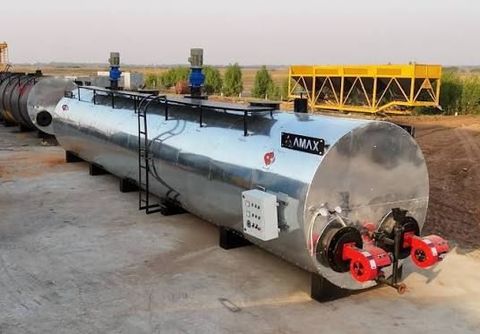
Thermal-oil heaters
Furnaces
Asphalt plants
Food-processing equipment
Ceramic and material-processing equipment
The required burner characteristics vary considerably between these applications.
Operating Characteristics
| Burner characteristic | General description |
|---|---|
| Firing range | The range between minimum and maximum heat output |
| Control method | Mechanical, electronic, or combined fuel-air control |
| Fuel type | Gas, liquid fuel, or another approved fuel |
| Flame monitoring | Detects whether stable combustion is present |
| Air regulation | Adjusts combustion-air quantity |
| Load response | Determines how the burner reacts to changing heat demand |
The actual operating range and performance depend on the burner model, combustion chamber, fuel, and process conditions.
Recent Updates
Greater Use of Electronic Controls
From 2024 through 2026, industrial combustion systems have continued to incorporate electronic controls and digital monitoring. Modern burner management systems can connect temperature, pressure, flame, airflow, and fuel measurements within a coordinated control arrangement.
Digital displays can provide information about operating status, alarms, firing rate, and other parameters. Some systems can also communicate with broader industrial control platforms.
Variable-Speed Air Control
Variable-speed fan technology is increasingly used in some burner installations. Instead of controlling airflow only through a fixed-speed fan and damper, a variable-speed drive can adjust fan speed according to the required combustion-air volume.
This can change the way the burner responds to varying loads. The suitability of this arrangement depends on burner design and the requirements of the combustion system.
Combustion Monitoring
Modern installations may incorporate additional sensors for monitoring combustion conditions. Depending on the application, these can include oxygen sensors, pressure sensors, flame detectors, temperature sensors, and fuel-flow measurement.
Such measurements can help operators identify changes in combustion behavior. They also provide information that can be used by control systems to maintain defined operating conditions.
Emphasis on Emission Control
Industrial combustion equipment is increasingly designed with attention to regulated pollutants such as nitrogen oxides and carbon monoxide. Burner geometry, flame characteristics, fuel-air control, combustion temperature, and excess-air levels can influence emissions.
Low-emission burner designs may use techniques such as staged combustion, controlled air distribution, or flue-gas recirculation. The appropriate approach depends on the fuel, combustion chamber, process temperature, and applicable environmental requirements.
Laws or Policies
Indian Regulatory Framework
In India, industrial combustion equipment can be subject to environmental, workplace, electrical, pressure-equipment, and fire-safety requirements. The specific rules depend on the equipment, fuel, facility, location, and industrial activity.
The Central Pollution Control Board and State Pollution Control Boards have important roles in environmental regulation. Industrial facilities may need permissions and must comply with applicable emission limits and operating conditions.
Emission Requirements
Emission requirements can vary by industry and equipment category. Boilers, furnaces, process heaters, and other combustion systems may be covered by different standards or consent conditions.
A burner installation should therefore be assessed against the requirements that apply to the particular facility. Fuel type, rated capacity, stack arrangement, and industrial process can all affect regulatory obligations.
Safety Requirements
Combustion equipment requires appropriate safeguards because fuel and high-temperature flames are involved. Burner management systems commonly include flame detection, ignition controls, fuel shutoff arrangements, and interlocks.
Installation and maintenance practices should follow applicable technical standards, equipment documentation, and local regulatory requirements. Gas piping, electrical systems, pressure equipment, and fire protection may have separate compliance requirements.
Tools and Resources
Combustion Calculations
Engineers can use fuel-flow, air-flow, heat-input, and combustion calculations to understand burner requirements. Heat-demand calculations generally consider the material being heated, temperature increase, process losses, equipment efficiency, and operating conditions.
Control Instruments
Common monitoring instruments include:
Temperature sensors
Pressure gauges and transmitters
Fuel-flow meters
Airflow measurement devices
Flame detectors
Oxygen analyzers
Differential-pressure sensors
These instruments provide information used by the burner-control system.
Maintenance Records
A maintenance record can include burner ignition behavior, flame-detection readings, fuel pressure, combustion-air conditions, sensor status, alarm history, and inspection findings.
Keeping consistent records can help identify changes in operating behavior and provide a reference for technical inspections.
Technical References
Useful sources include equipment manuals, Bureau of Indian Standards publications where applicable, Central Pollution Control Board documents, State Pollution Control Board requirements, fuel specifications, and relevant combustion-engineering standards.
Technical documentation should be checked against the specific burner and installation because operating limits vary between designs.
FAQs
What is a modulating burner?
A modulating burner is a combustion system that varies its firing rate according to the heat demand of the process. It can operate at different output levels between its defined minimum and maximum capacities.
How does a modulating burner work?
A controller receives information from temperature, pressure, or other process sensors and adjusts fuel and combustion-air flow. The burner then changes its heat output to match the required operating condition within its permitted range.
What is the difference between a modulating burner and an on-off burner?
An on-off burner generally operates at a designated firing level and stops when the control requirement is reached. A modulating burner can adjust its output over a range, allowing the heat input to change as process demand changes.
Where are modulating burners used?
They are used in boilers, industrial ovens, furnaces, process heaters, dryers, thermal-oil systems, asphalt plants, and other equipment requiring controlled heat input.
What safety features are used in a modulating burner?
Common features include flame detection, automatic fuel shutoff, ignition controls, pressure monitoring, airflow monitoring, and operating interlocks. The exact safeguards depend on the burner design, fuel, and installation.
Conclusion
A modulating burner adjusts combustion output according to changing heat requirements, making it different from a basic fixed-output or on-off burner. Its operation depends on coordinated fuel and air control, process sensors, flame monitoring, and safety controls. Recent systems increasingly use electronic controls, variable-speed airflow, digital monitoring, and combustion-management technologies. Applicable Indian environmental and safety requirements depend on the burner, fuel, industrial process, facility, and local regulatory conditions.