Supercritical CO2 Extraction: Industrial Fluids & High-Purity Processing Tips
Supercritical CO2 extraction is a specialized and advanced process used across various industries for obtaining high-purity extracts. Its effectiveness and precision make it a popular choice, but understanding the equipment and processes involved is crucial for anyone looking to apply this technology. This guide aims to provide an educational overview of the equipment used for supercritical CO2 extraction, highlighting its relevance in industrial applications.
At the core of supercritical CO2 extraction is the concept of manipulating carbon dioxide to achieve a supercritical state, which occurs when it is subjected to temperatures and pressures above its critical point. In this state, CO2 exhibits unique properties that allow it to act both as a liquid and a gas, enhancing its ability to dissolve materials such as botanical extracts. This hybrid state is pivotal as it affords the ability to penetrate solid materials and extract desired compounds effectively.
The equipment used in supercritical CO2 extraction systems generally falls into several key components: the CO2 tank, the pump, the extraction vessel, separators, and the heat exchangers. Each component plays a critical role in the extraction process. The CO2 tank stores pressurized carbon dioxide in liquid form, which is the starting point of the process. An efficient and reliable pump is essential for moving the CO2 through the system and bringing it to the necessary pressure for achieving the supercritical state.
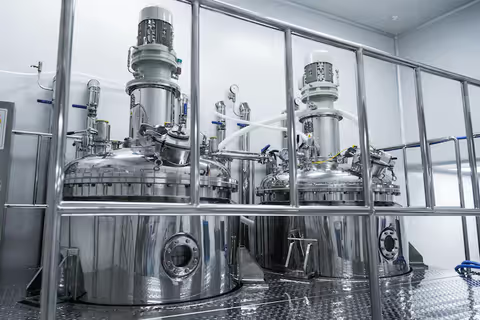
The extraction vessel is the heart of the equipment, where the raw material is placed. Once the CO2 reaches supercritical conditions, it is introduced into the vessel, where it interacts with the material inside. The interaction under these conditions allows for the extraction of desired compounds, which are then carried out of the vessel. Inside the extraction vessel, parameters such as temperature, pressure, and flow rates are meticulously controlled to optimize the extraction yield.
Once the extraction phase is complete, separators are used to decouple the desired compounds from the CO2. During this phase, adjustments in pressure and temperature allow for the selective isolation of the extracts. The solvents are effectively separated from the CO2, allowing for a subsequent purification of the extracts, should that be necessary. The role of separators is crucial in maintaining the integrity and purity of the final product.
Heat exchangers are instrumental in ensuring the CO2 is maintained at the correct temperature throughout various stages of the process. They help in transitioning the CO2 between gaseous, liquid, and supercritical states as dictated by the extraction protocol being implemented. By efficiently managing the heat within the system, these exchangers contribute to both the safety and efficiency of the process.
Supercritical CO2 extraction offers a range of advantages over traditional extraction methods. Not only is CO2 a non-toxic and environmentally friendly solvent, but its use in extractions also generally results in high-purity outputs with minimal thermal degradation. This factor is especially important when dealing with sensitive compounds that can easily break down or lose their efficacy at higher temperatures.
Moreover, supercritical CO2 extraction systems are versatile and can be used to process a variety of materials. They find applications in fields ranging from botanicals, where they are often used to extract essential oils, to pharmaceuticals, food, and even environmental conservation projects. The scalability of these systems—from lab scale to industrial scale—adds to their suitability for a wide range of industrial applications.
The operation of supercritical CO2 extraction equipment requires a comprehensive understanding of both the technology and the properties of the materials being processed. This understanding extends to knowledge of the system's mechanics as well as the chemistry of CO2 in its supercritical state. Additionally, operators need a keen insight into industry standards and safety protocols to ensure that the extraction processes not only meet quality standards but are also conducted safely.
Furthermore, technological advancements continue to enhance the capabilities and efficiencies of supercritical CO2 extraction equipment. Innovations in pump technology, automation, and the design of extraction vessels and separators have allowed for greater precision in control and efficiency in processing. These advancements are continually redefining the capabilities of CO2 extraction technology and expanding its uses across different sectors.
In summary, supercritical CO2 extraction is at the forefront of industrial fluid processing, enabling the extraction of high-purity compounds through a process that is both efficient and environmentally compliant. Its success and increasing adoption lie in the intricate yet innovative design of the equipment involved, as well as in a deep understanding of the thermodynamics of CO2 in a supercritical state. As industries continue to strive for purity and efficiency in extraction processes, understanding the nuances of supercritical CO2 extraction equipment will remain an invaluable asset.